The OwlRoutine Blog
Sleep cycles, easier mornings, and wind-down routines that actually work.
107 articles to read
Showing 107 of 107 posts
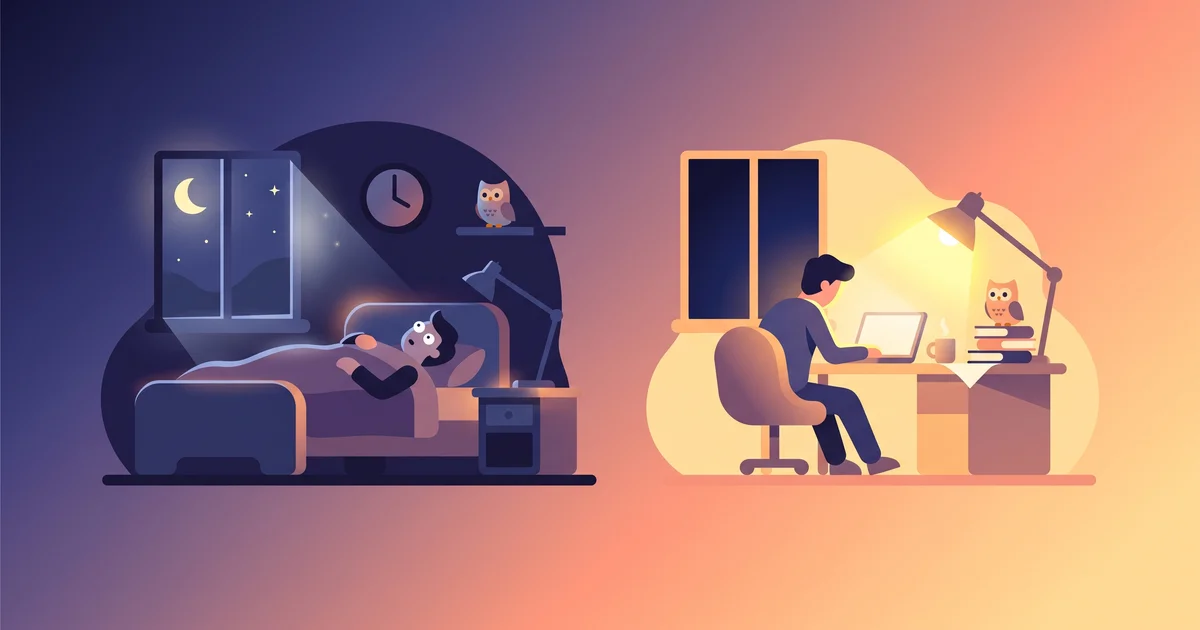
Insomnia vs Sleep Deprivation: What's the Difference (and Why It Matters)
Insomnia and sleep deprivation feel similar — exhausted, foggy, irritable — but they have different causes and different fixes. Here's how to tell them apart.
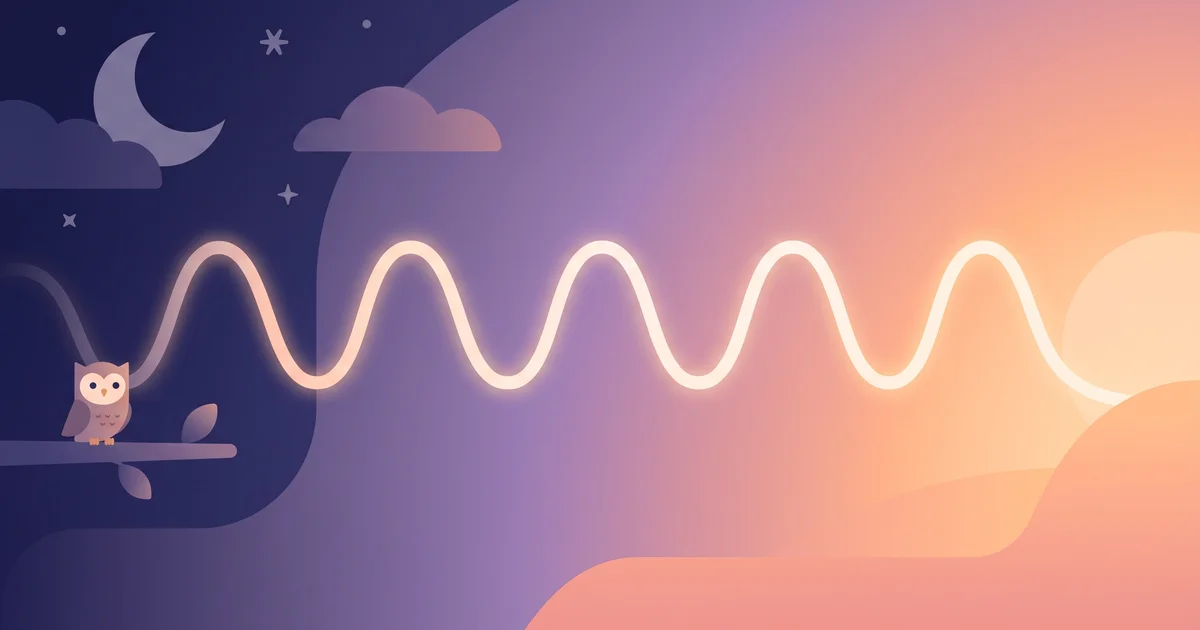
How Many Sleep Cycles Per Night Do You Actually Need?
A quick, numeric answer to how many 90-minute sleep cycles fit into a night, why waking mid-cycle feels awful, and how to time your sleep around whole cycles instead of just hours.
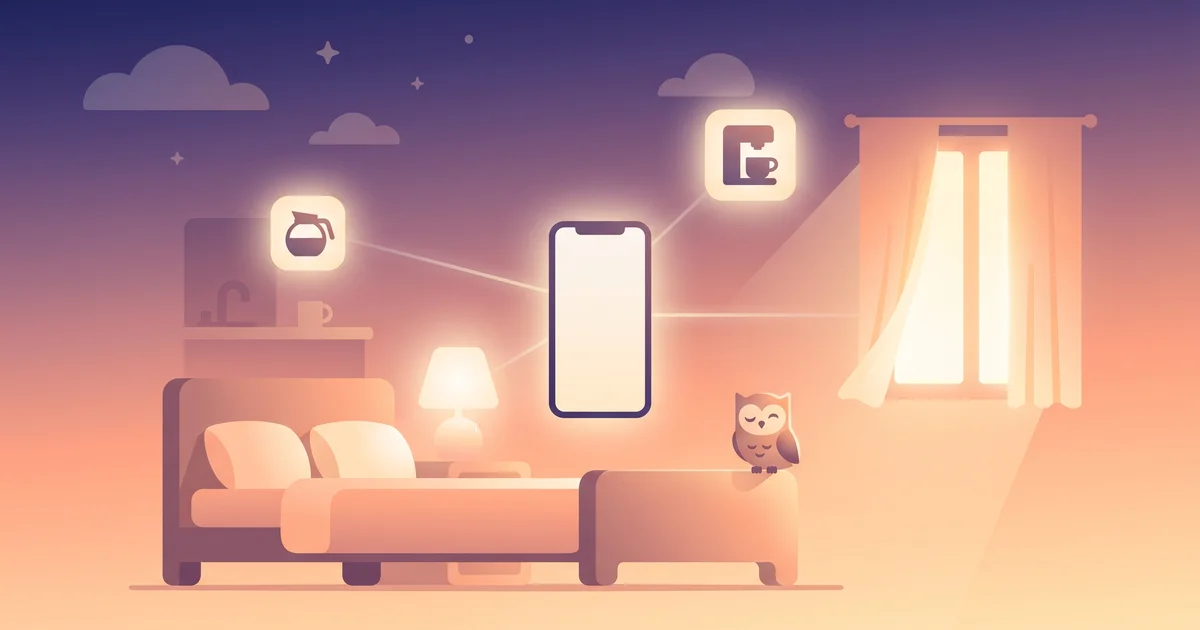
Smart Home Alarm Integration: Using Alexa, Google Home, and Routines to Wake Up Better
How people use smart speakers and smart home routines — lights, coffee makers, curtains — as part of waking up, the real limits of the approach, and how it pairs with a phone alarm app.
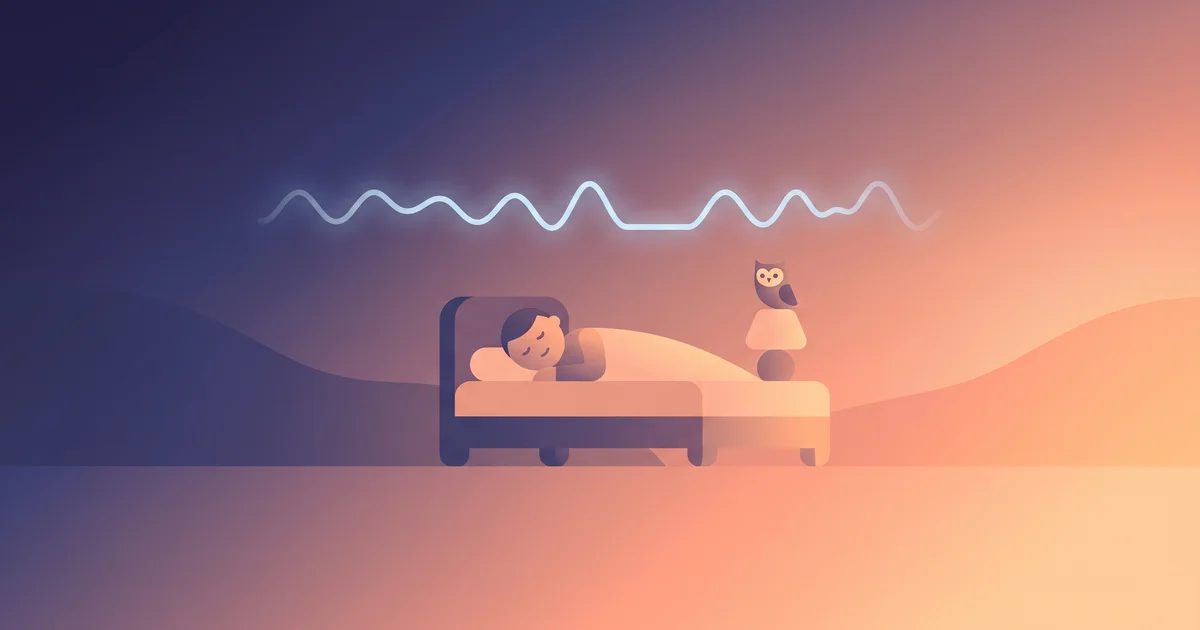
Signs of Sleep Apnea: What to Watch For (and Why It Needs a Doctor)
Loud snoring, gasping, morning headaches and daytime exhaustion can all be signs of sleep apnea. Here's what to look for, who's at risk, and why it needs medical diagnosis, not home remedies.
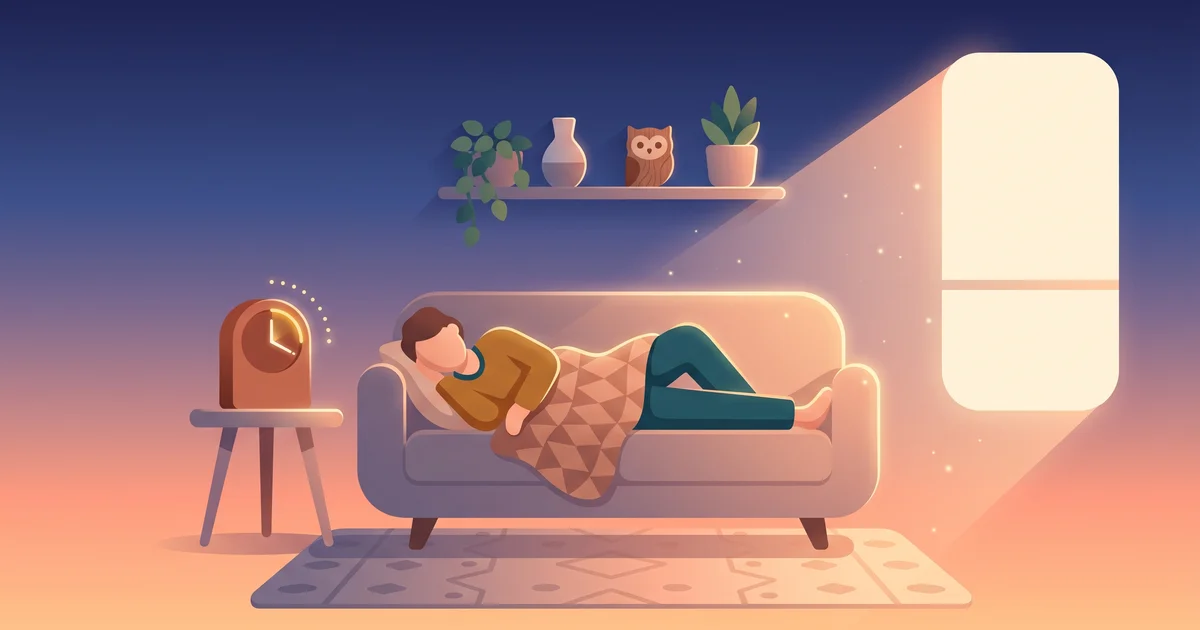
7 Napping Mistakes That Are Wrecking Your Sleep (and Your Naps)
Napping wrong can leave you groggier and sabotage your night sleep. Here are the most common napping mistakes people make and how to fix each one.
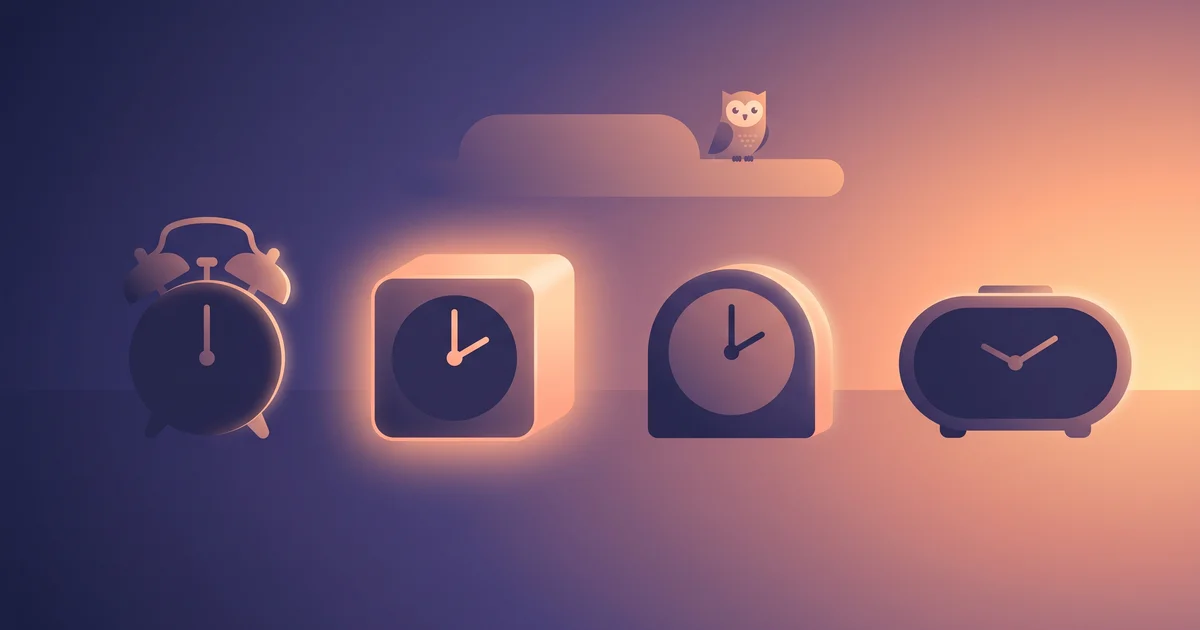
Alarm Clock Buying Guide: What to Consider Before You Buy
A decision-framework checklist for buying an alarm clock — battery backup, snooze design, brightness, app vs standalone, and price ranges — so you pick the right one the first time.
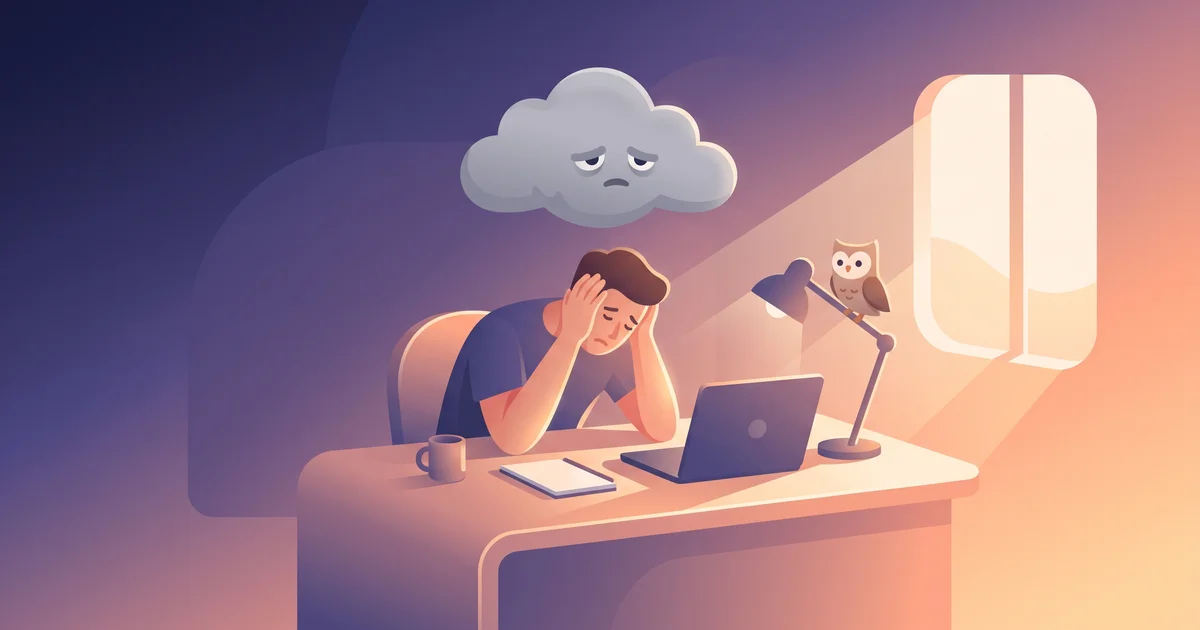
Why Am I Always Tired? Causes Beyond Just Not Sleeping Enough
Sleeping 8 hours and still exhausted? Fatigue has causes beyond sleep duration — diet, hydration, stress, and underlying health conditions. Here's how to figure out what's actually going on.
Vibrating Alarm Clocks: How They Work and Who They Help Most
Bed-shaker and vibrating alarms are one of the most effective tools for heavy sleepers, deaf and hard-of-hearing users, and shared bedrooms. Here's how they work and how to choose one.
A Productive Morning Routine for Working From Home
No commute means no built-in boundary between sleep and work. Here's a WFH-specific morning routine that creates structure, avoids the pajama slump, and actually gets you focused.
How to Actually Improve Your Sleep Score (Not Just Chase the Number)
Practical habits that move the metrics sleep trackers actually measure — consistency, total sleep time, time to fall asleep and disruptions — plus a caution against obsessing over the score itself.

Exercise and Sleep Timing: Does Working Out Late Really Ruin Your Sleep?
Morning, afternoon or evening — when you exercise can change how well you sleep. Here's what the evidence says about evening workouts, and how to time exercise for the best rest.
The Best Time to Wake Up (There's No Universal Answer, But There's Your Answer)
The best wake-up time isn't a fixed hour like 5am or 6am — it's a function of your sleep cycles, chronotype, and consistency. Here's how to find yours.

Best Ways to Track Sleep Without Wearing Anything to Bed
You don't need a ring or watch to track sleep. Here are the real options for tracking sleep without a wearable — phone apps, under-mattress sensors and smart mattress pads — with the pros and cons of each.
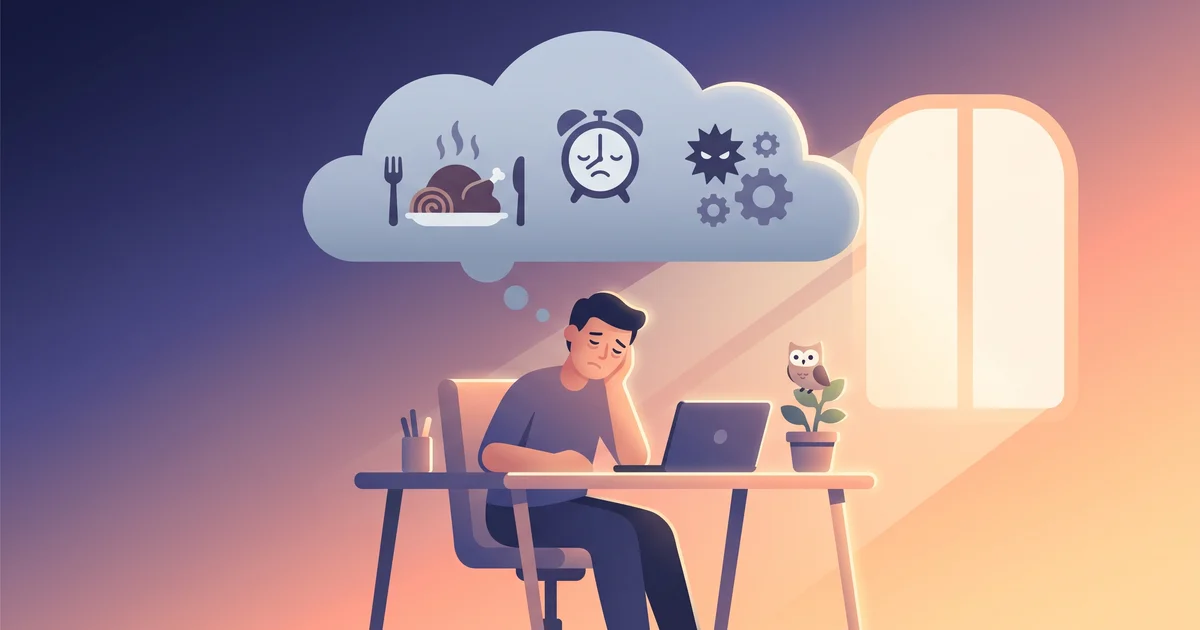
Why Do I Get So Sleepy in the Afternoon? The Real Causes of the Afternoon Slump
The 2-4pm energy crash isn't just "the itis." Here's the real biology behind the afternoon slump — circadian dips, blood sugar, sleep debt — and what actually helps.
Polyphasic Sleep: What It Is and Why Most People Shouldn't Try It
Polyphasic sleep schedules like Uberman and Everyman promise more waking hours from less total sleep. Here's how they work, what the science actually says, and an honest take on the risks.
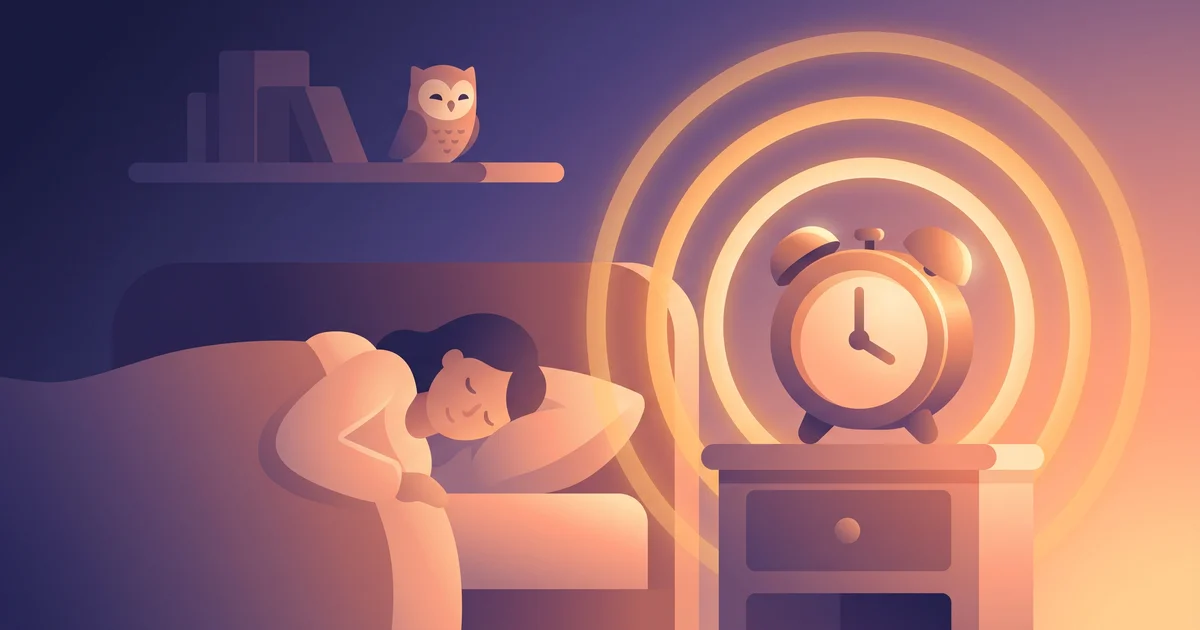
Loudest Alarm Clock for Heavy Sleepers: Why Volume Alone Isn't the Answer
Looking for the loudest alarm clock for a heavy sleeper? Volume matters, but it's not the whole story. Here's what actually makes an alarm effective — escalation, sound type, bed shakers, and task-based alarms.
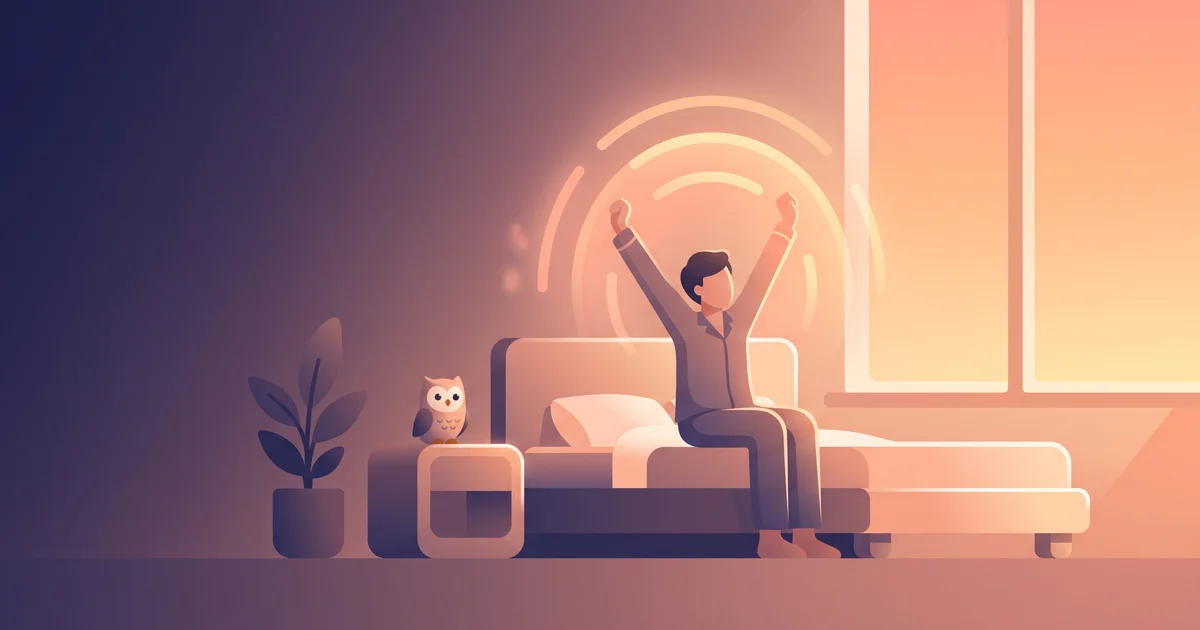
How to Wake Up Early Without Being Tired (Avoid the Sleep Debt Trap)
Waking up earlier without paying for it in exhaustion means fixing the real cause — sleep debt — not just moving your alarm. Here's the gradual, sustainable approach.
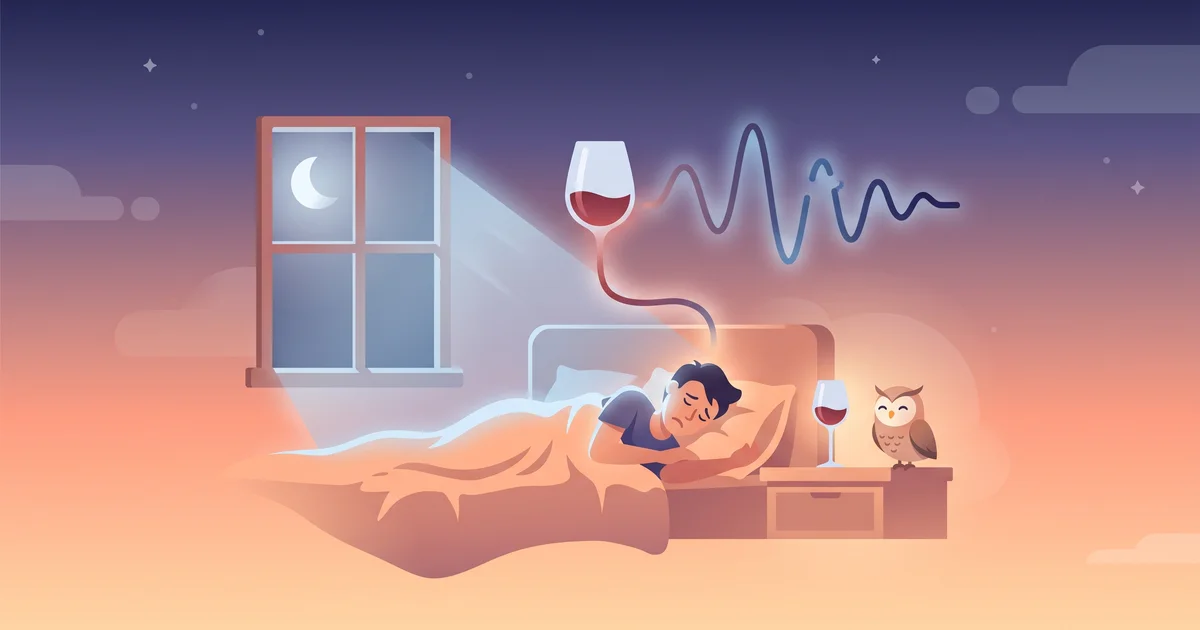
Alcohol and Sleep: Why a Nightcap Backfires Later in the Night
Alcohol can help you fall asleep faster but fragments and shortens sleep later in the night. Here's how it affects sleep architecture, why the nightcap myth persists, and how to drink with less impact on rest.
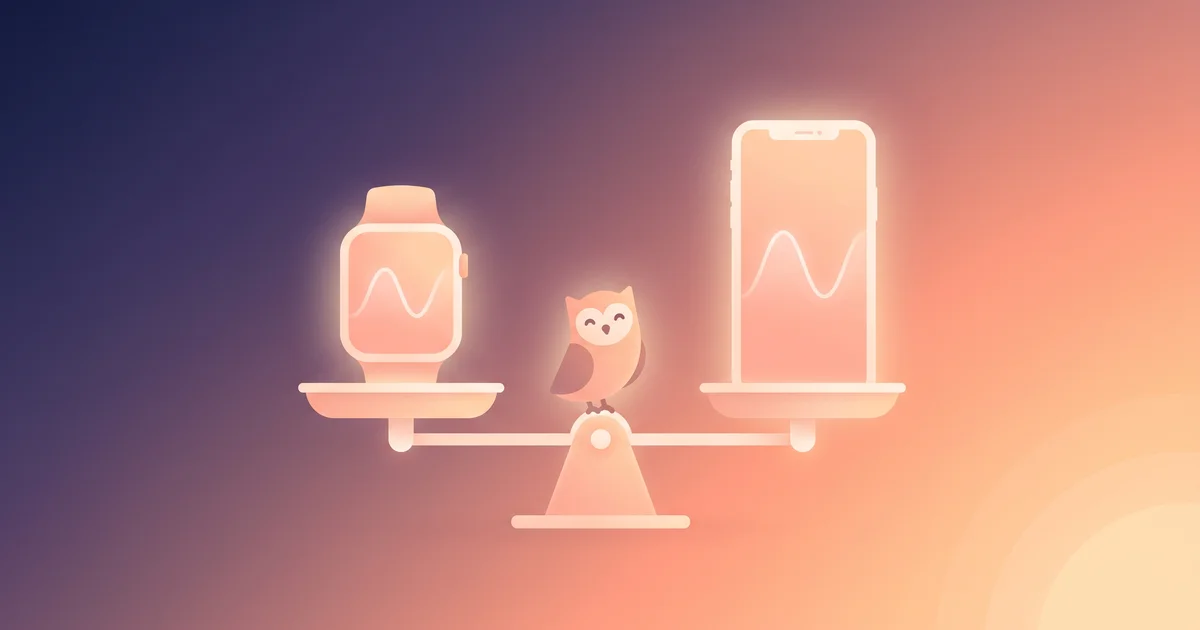
Wearable vs Phone: Which Way of Tracking Sleep Is Actually Right for You?
Comparing wearing a device to bed versus phone-based sleep tracking on your nightstand — accuracy tradeoffs, convenience, cost and comfort.
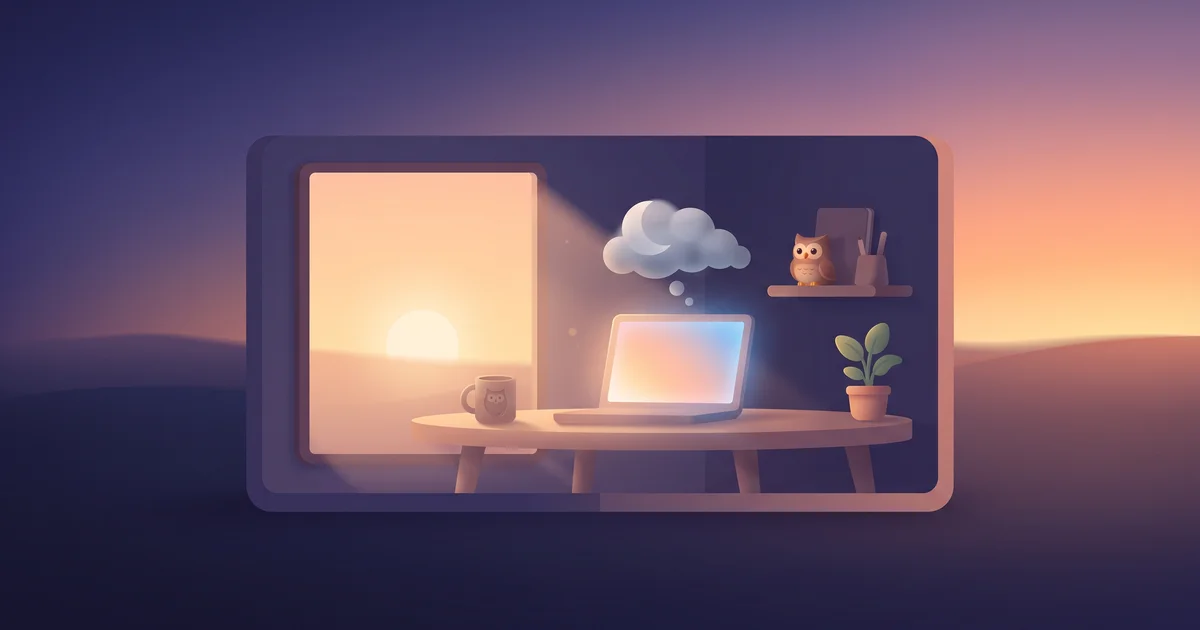
Sleep and Productivity at Work: How Bad Nights Show Up in Your Day
Sleep debt and poor sleep quality quietly erode focus, decision-making and mood at work. Here's how it happens and practical fixes for working adults who can't just sleep more on demand.
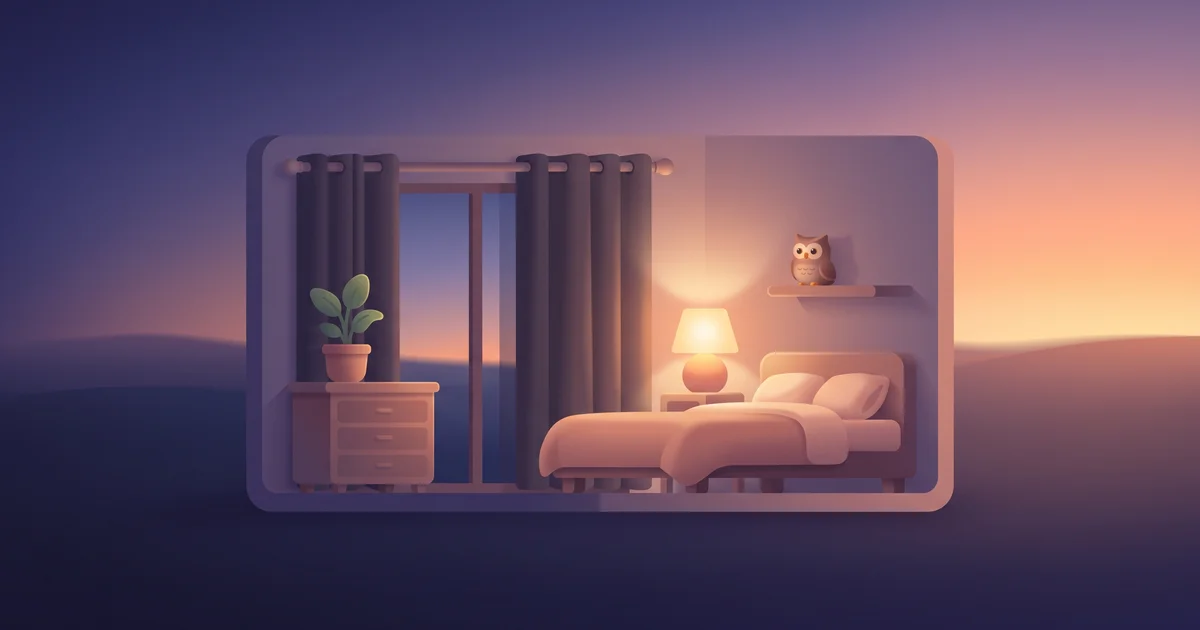
Bedroom Setup for Better Sleep: The Complete Environment Checklist
Light, noise, clutter, mattress and air quality all shape how well you sleep. Here's a practical, room-by-room guide to setting up a bedroom that actually helps you rest.

The Best Alarm Clock for Kids: A Parent's Guide by Age
What to look for in a kid-friendly alarm clock or app — visual "OK to wake" clocks, screen-time concerns with phone alarms, and how to build morning independence at every age.
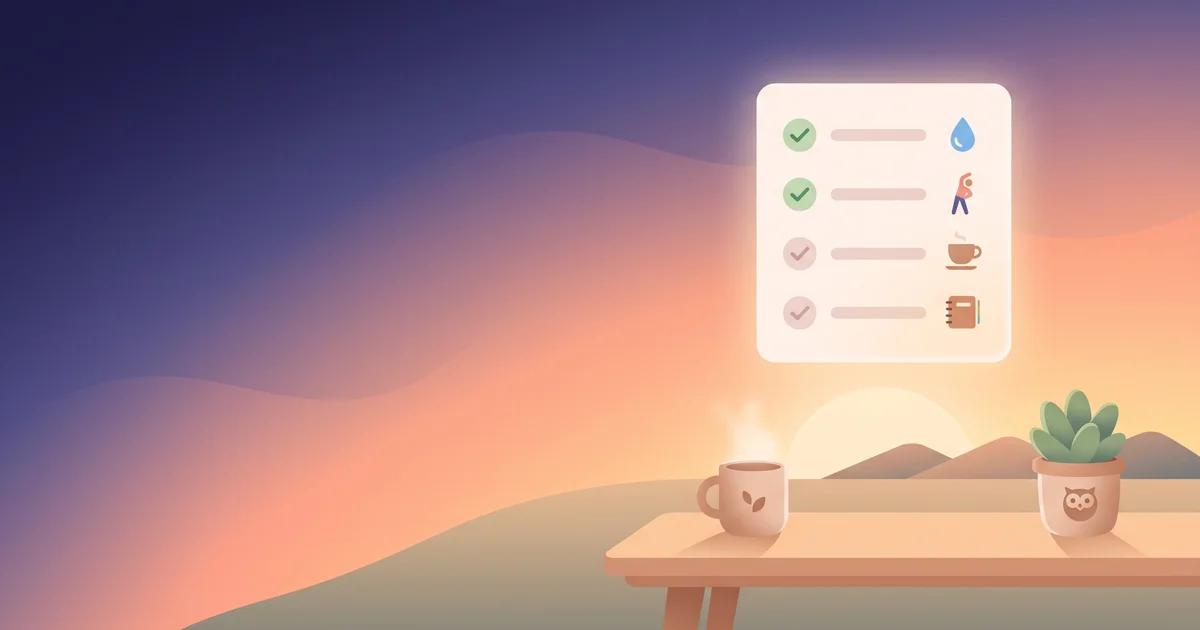
The Morning Routine Checklist (Print It, Stick It, Use It)
A scannable, practical morning routine checklist you can actually follow — the night-before prep, the first 10 minutes, and the first hour, broken into simple checkboxes.

How Fitness Trackers Actually Detect Sleep Stages (and Where They Get It Wrong)
Wearables estimate light, deep and REM sleep using movement and heart-rate data, not brainwaves. Here's how actigraphy works, why total sleep time is more reliable than exact stage timing, and what that means for you.
How to Get More Deep Sleep (and Why It's Worth the Effort)
Deep sleep is your body's main repair window. Here's what it actually does, the habits that increase and decrease it, and realistic expectations for improving it.
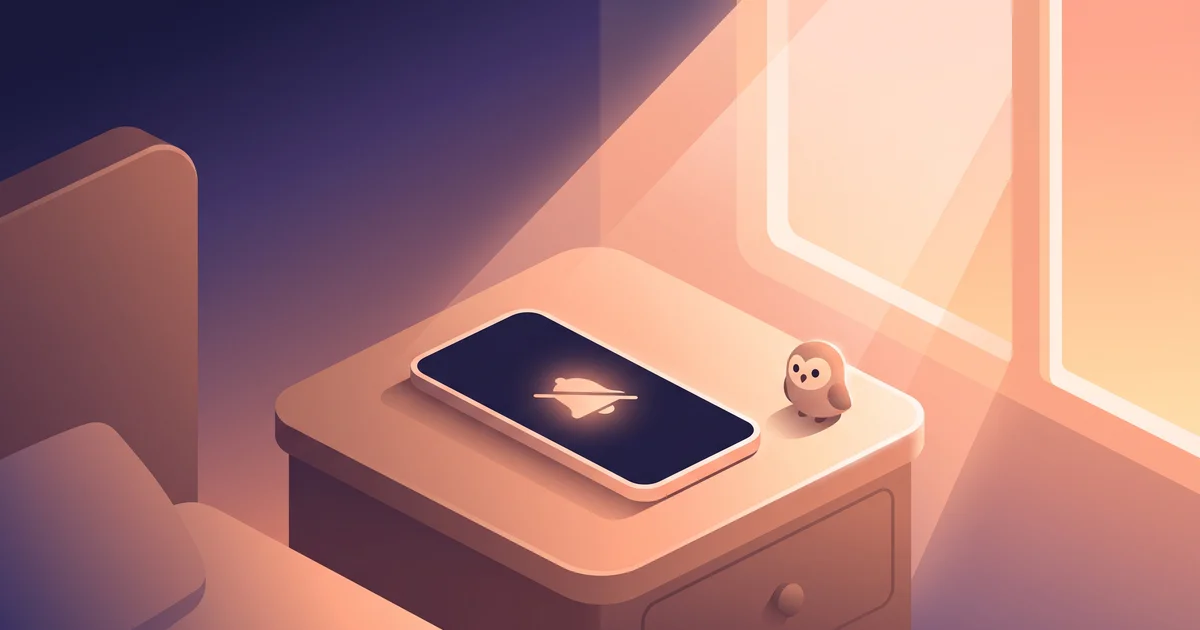
Android Alarm Not Going Off? Here's the Full Fix Checklist
If your Android alarm has silently failed to ring, it's almost always battery optimization, Do Not Disturb, or a manufacturer-specific power-saving setting. Here's the complete troubleshooting checklist.
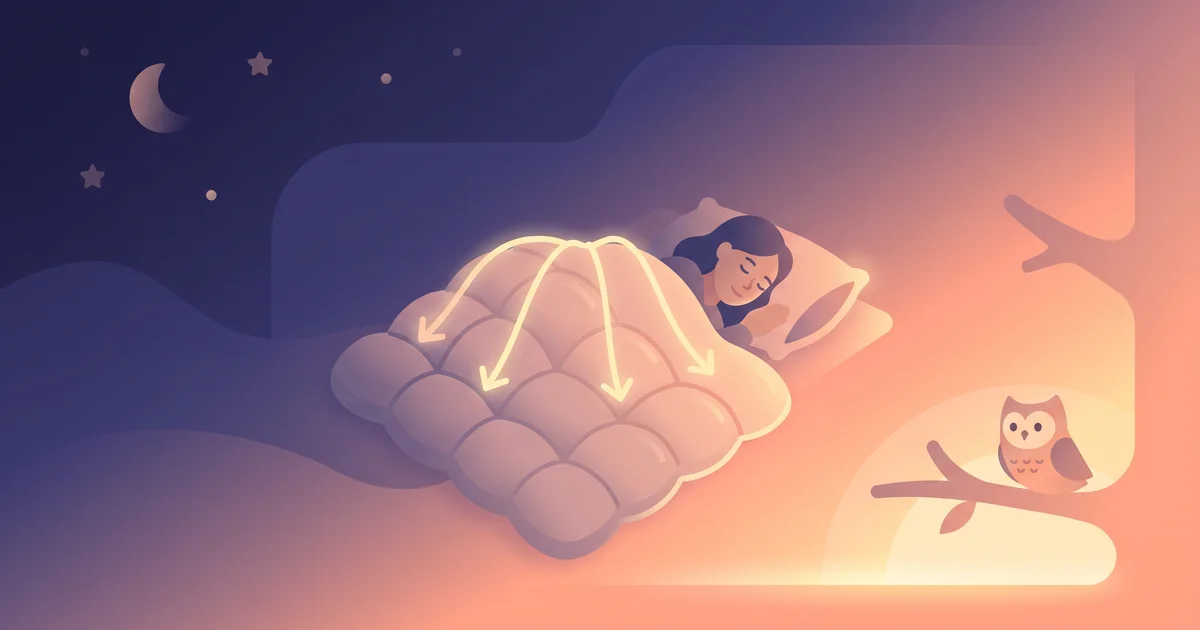
Weighted Blanket Benefits: What They Do and How to Choose One
Weighted blankets are marketed for anxiety, restlessness and better sleep. Here's what deep pressure stimulation actually is, what the evidence supports, how to pick a weight, and who should be cautious.
REM Sleep Explained: What It Does and Why You Need It
REM sleep is when most dreaming happens, but its job goes far beyond dreams. Here's what happens in your brain and body during REM, why it matters, and what disrupts it.
New Year Sleep Resolutions That Actually Stick
Overnight sleep overhauls usually fail by mid-January. Here's how to set realistic, sustainable sleep resolutions for the new year, and how to actually keep them.
Cold Showers in the Morning: What the Evidence Actually Says
Cold morning showers are everywhere in productivity culture. Here's an honest look at what's actually backed by evidence, what's overhyped, and how to try it safely.
White Noise for Sleep: Does It Actually Work?
White, pink and brown noise are all used to mask sounds and help you fall asleep. Here's who benefits most, how the different types compare, and how to use them at a safe volume.
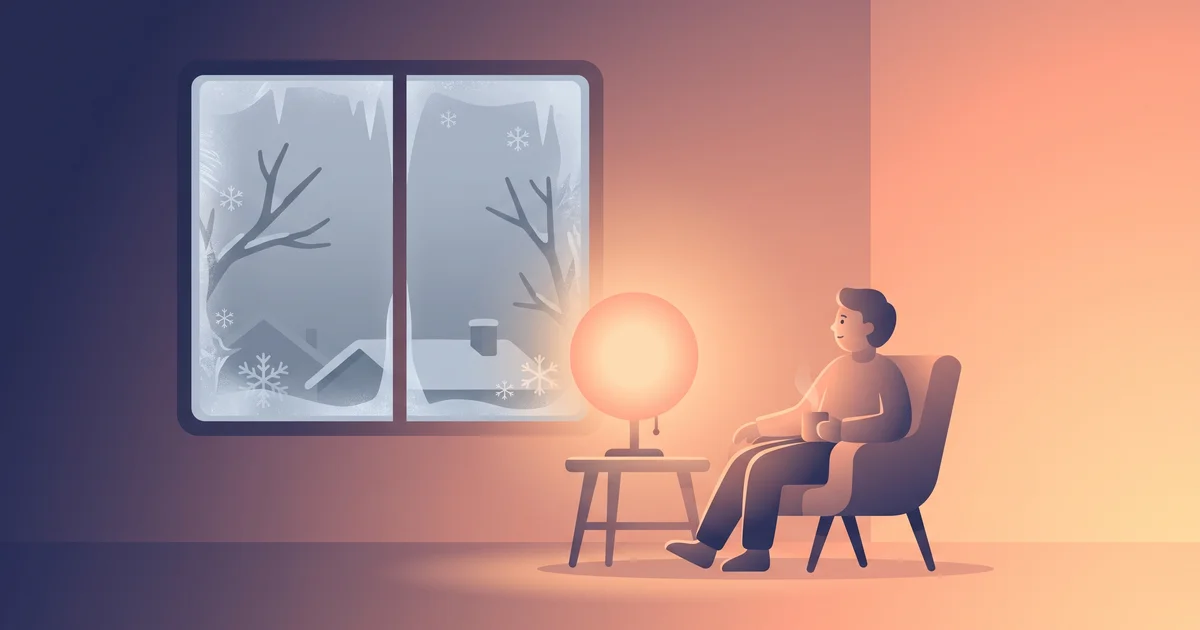
Seasonal Affective Disorder and Sleep: Recognizing the Connection
Seasonal affective disorder (SAD) affects mood and sleep as daylight hours shrink. Here's how to recognize the symptoms, how light exposure and light therapy help, and when to seek professional support.
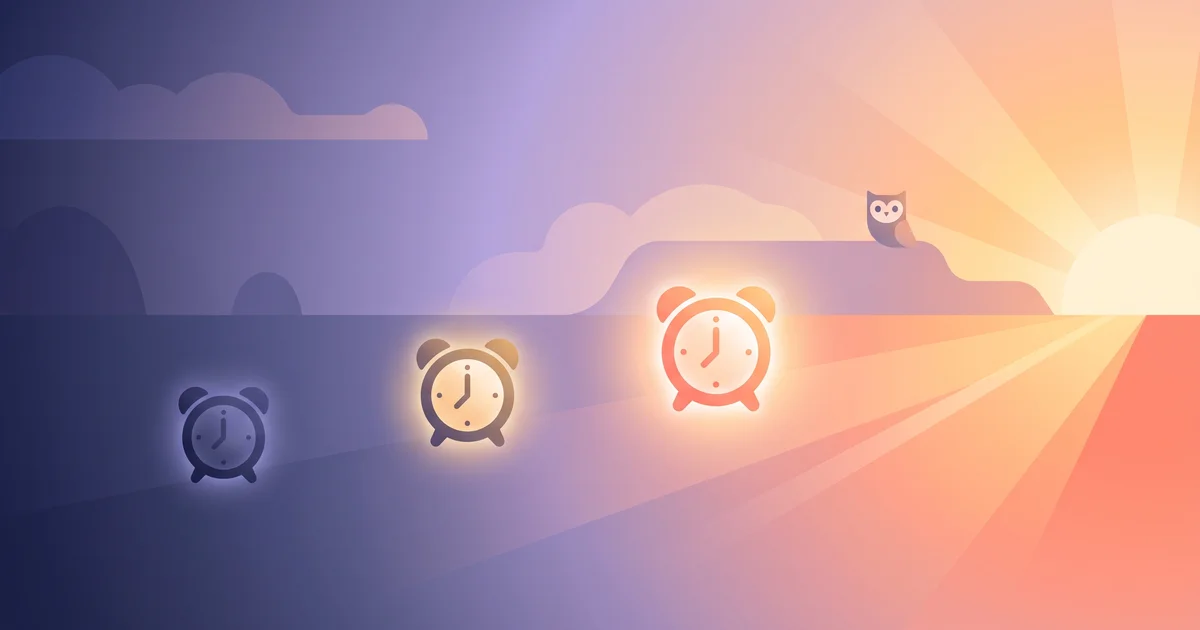
How to Set Multiple Alarms (and When It Backfires)
Setting several backup alarms is a common strategy for not oversleeping. Here's how to do it properly, why it works for some people and not others, and better alternatives if it's turned into a snooze spiral.
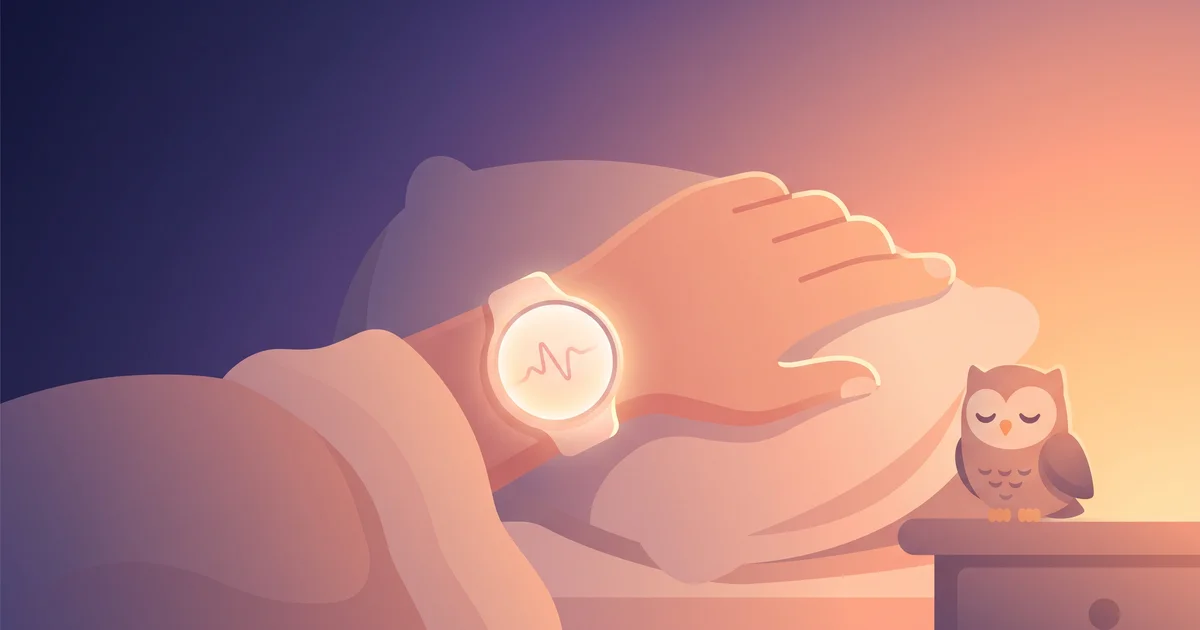
Best Smartwatches for Sleep Tracking: What Actually Sets Them Apart
A buying guide to sleep-tracking smartwatches — Apple Watch, Garmin, Samsung Galaxy Watch and more — and what differentiates them for sleep specifically, not just fitness.
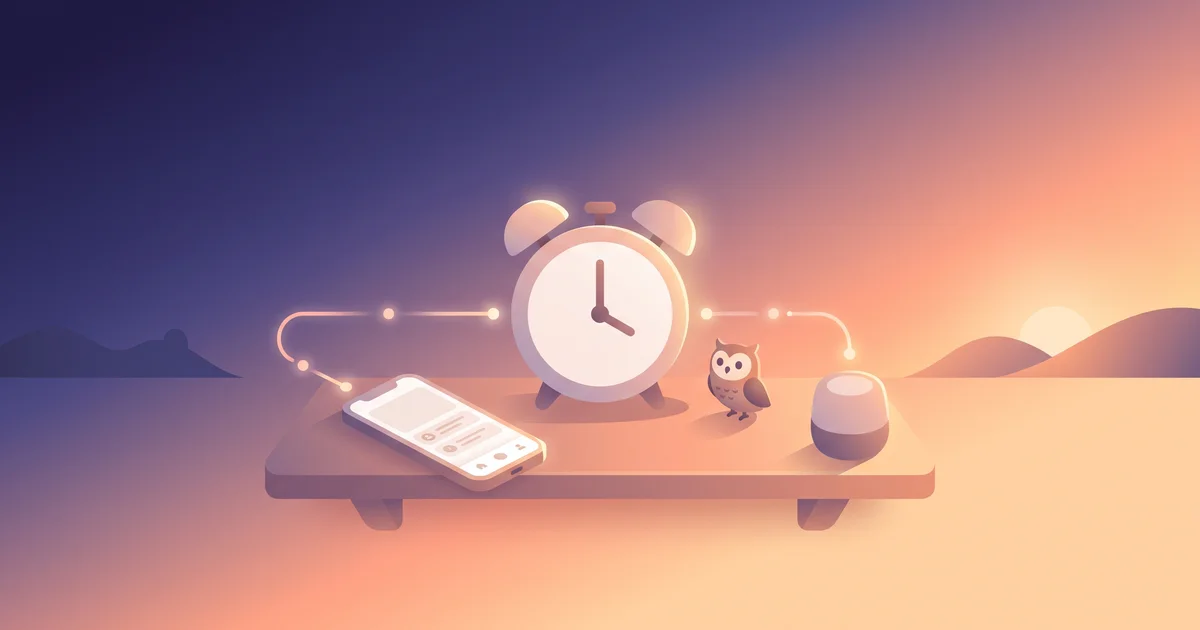
What Is a Smart Alarm Clock? A Plain-English Explainer
"Smart alarm clock" can mean several different things. Here's what the term actually covers — sleep-cycle timing, app connectivity, smart-home integration — and whether it's worth it over a basic alarm.
What Is a Sleep Score, and How Much Should You Trust It?
Sleep scores from Oura, Fitbit, Garmin, Apple and other apps promise a simple number for a complicated night. Here's what they actually measure, why devices disagree, and how much weight to give a single score.
Sleep Cycle Apps: How They Work and What to Actually Look For
Sleep-cycle apps promise to wake you at the "right" point in your sleep. Here's how they detect light sleep, what they get right, where they fall short, and what to look for before choosing one.
Energizing Morning Stretches to Wake Your Body Up (5-10 Minute Routine)
A simple morning stretch sequence designed to boost alertness and circulation, different from a bedtime routine — plus a quick 5-10 minute flow you can do before coffee.
8 Signs Your Sleep Hygiene Is the Problem (Not Your Health)
Tired all the time but not sure why? These are the telltale signs your habits, not an underlying health condition, are wrecking your sleep — and where to go to fix them.
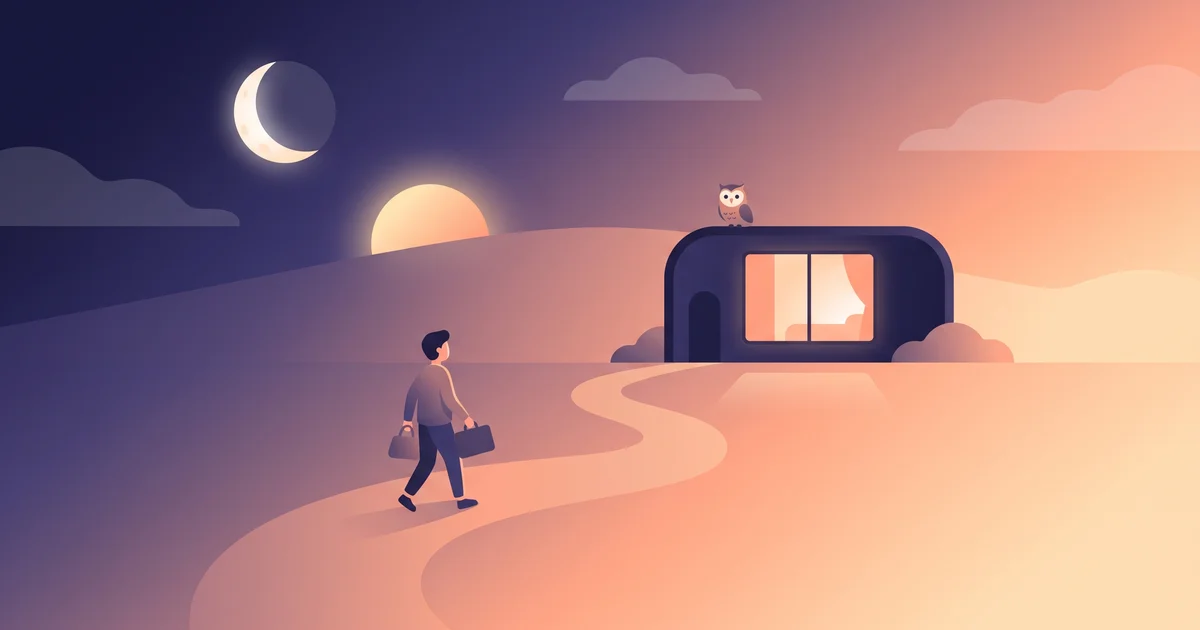
A Morning Routine for Night Shift Workers (When 'Morning' Is 3pm)
When your shift ends at sunrise, the rules of a normal morning routine don't apply. Here's how to manage light, wind down after a night shift, and protect daytime sleep.
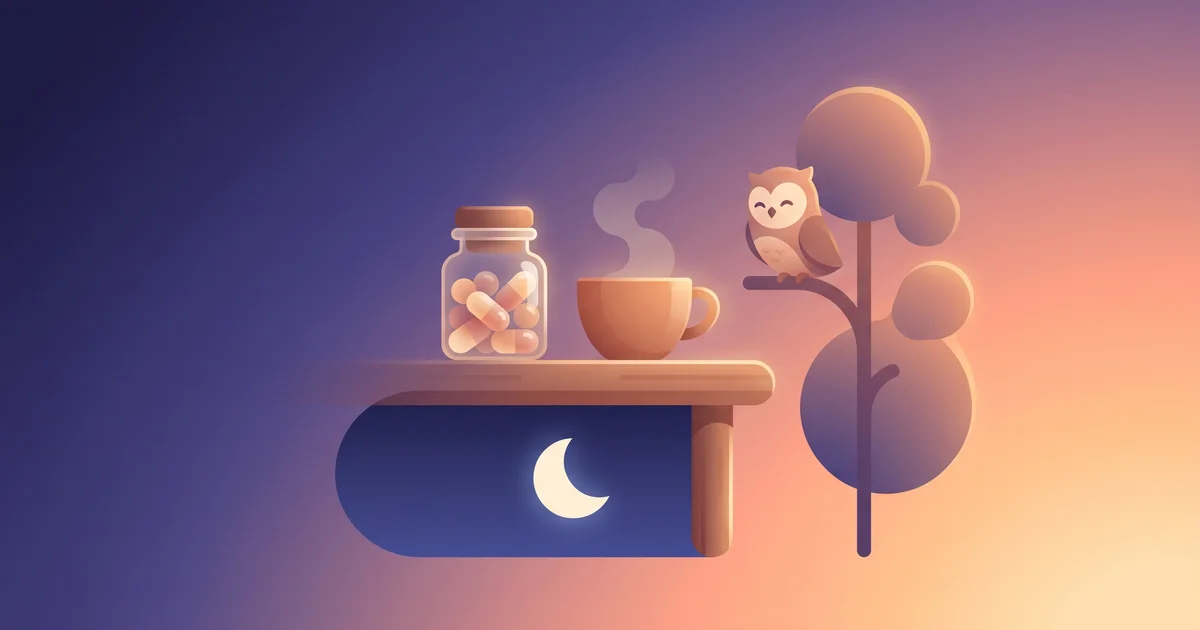
Best Sleep Supplements: What's Actually Worth Considering
Melatonin, magnesium, L-theanine, valerian and more — an overview of the most commonly used sleep supplements, what the evidence generally shows, and why you should talk to a doctor or pharmacist before starting any of them.
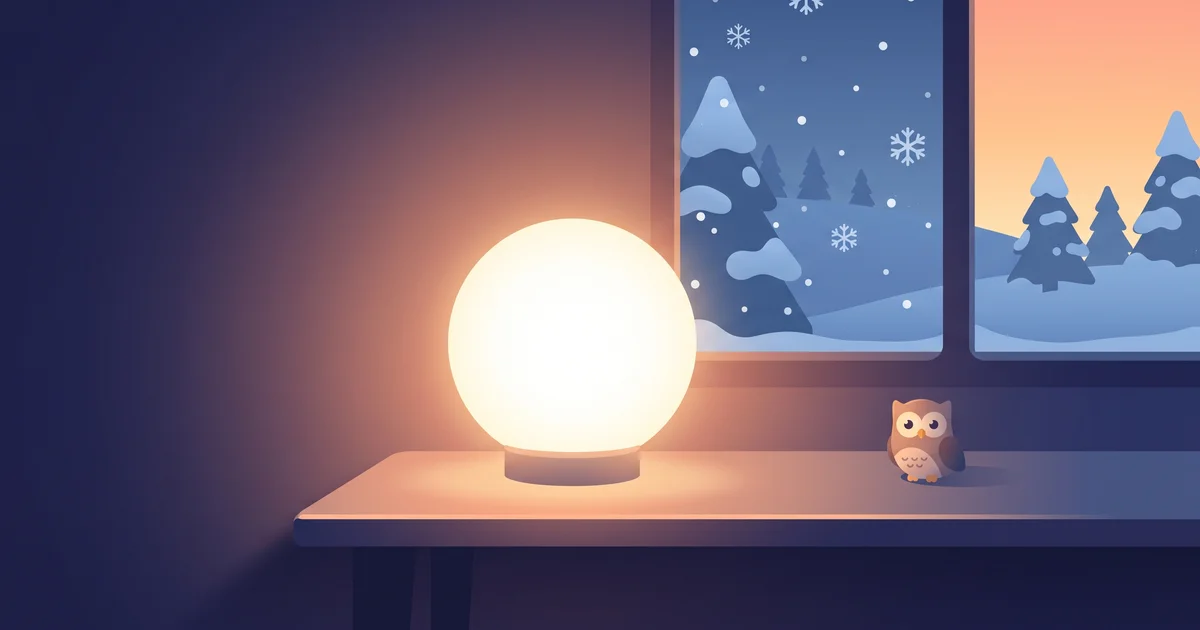
Light Therapy Lamps for Waking Up: What They Are and When You Actually Need One
Light therapy boxes are a different tool from sunrise alarm clocks. Here's when they help, how to use one correctly, and how they compare to a sunrise alarm for winter mornings and low mood.

Sleep Tracker Rings: A Buying Guide for Smart Rings That Monitor Your Sleep
How smart rings track sleep, who they're a good fit for compared to watches or phone apps, and what to look for before buying one.
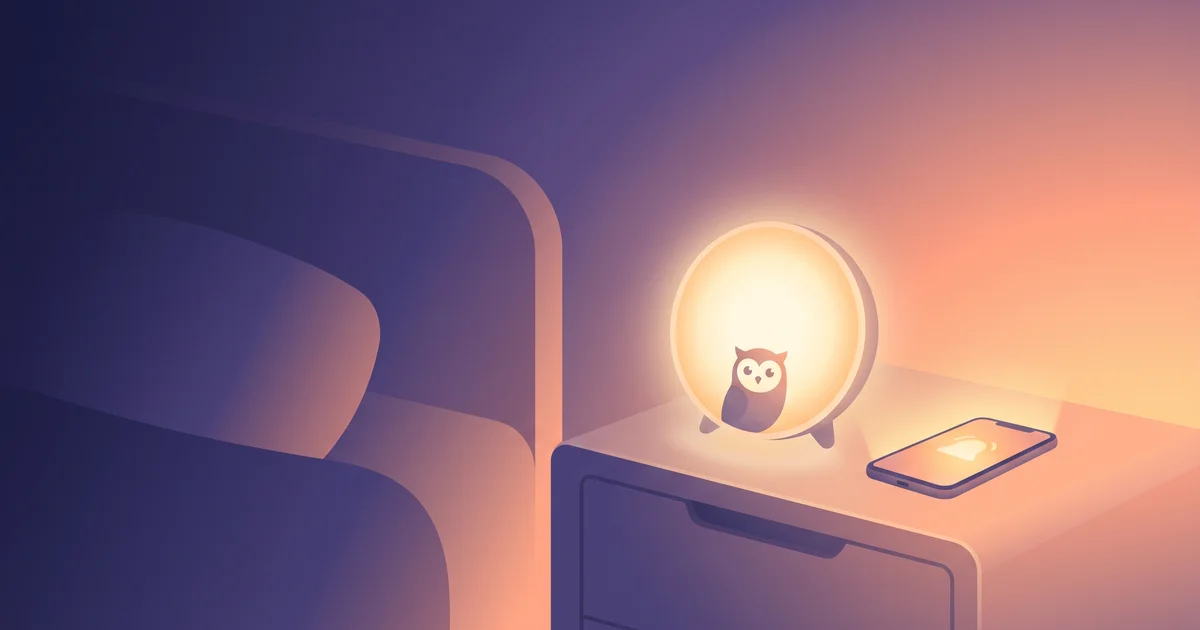
Hatch Restore-Style Sunrise Alarms: An Honest Review of the Category
A fair, general look at Hatch Restore-style sunrise alarm and sound machine devices — what they do well, their price point, and where they fall short, especially for people who struggle to wake up.
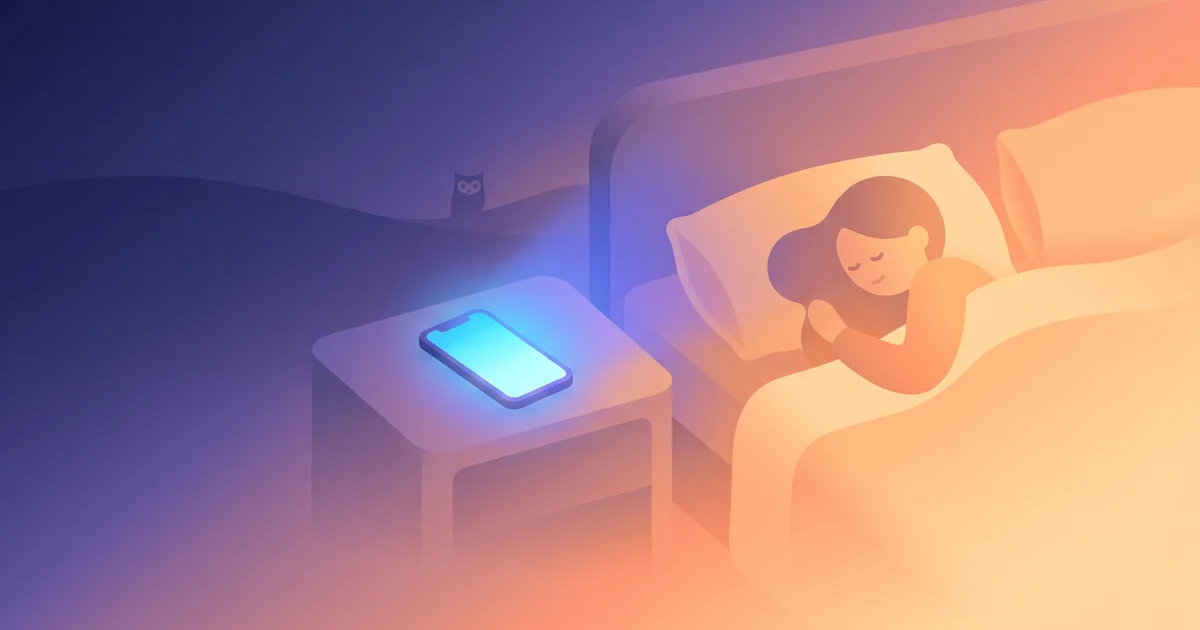
Blue Light and Sleep: What the Science Actually Says
Blue light suppresses melatonin more than other wavelengths, but timing and brightness usually matter more than color alone. Here's what actually affects your sleep and what to do about it.
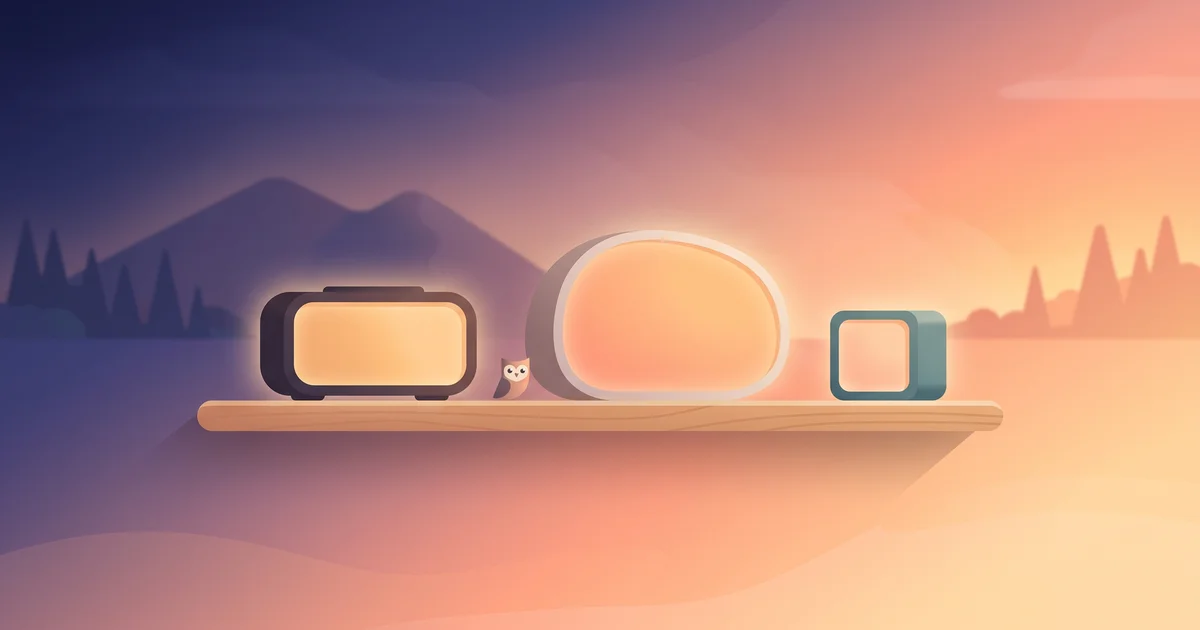
Best Digital Alarm Clock in 2026: What to Look For and Top Picks by Need
A practical roundup of what makes a good digital alarm clock in 2026 — standalone devices vs phone apps, key features, and the best pick for budget, smart-home, and heavy-sleeper needs.
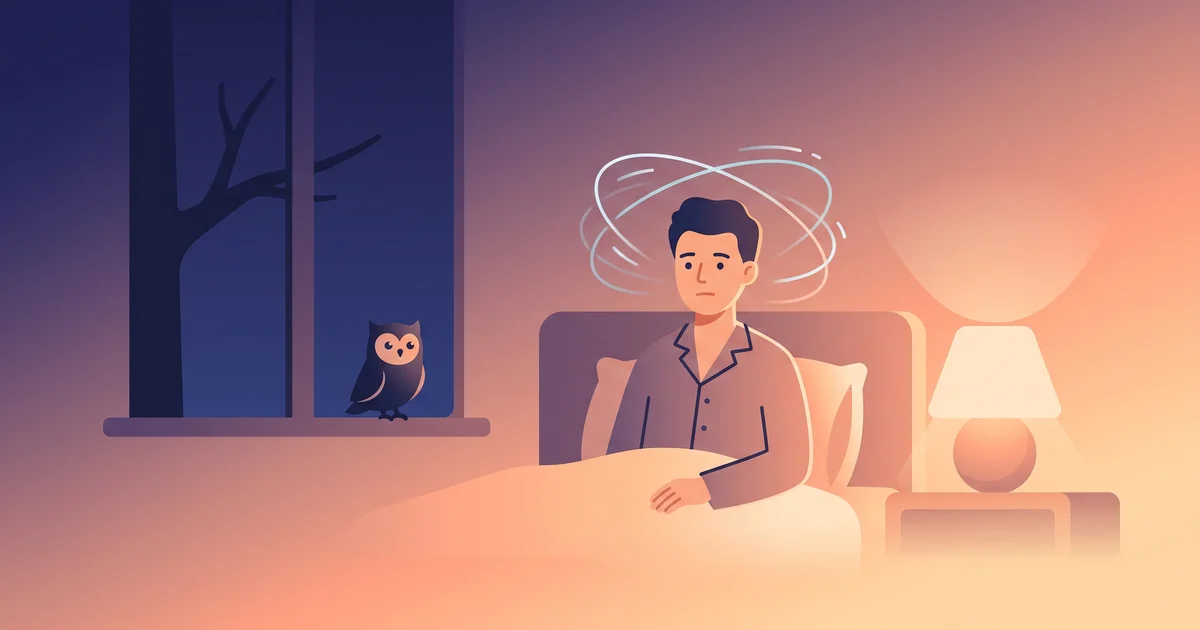
What Is Insomnia? Symptoms, Causes and When to Get Help
Insomnia is more than a bad night's sleep. Here's the real medical definition, the difference between acute and chronic insomnia, common causes, and when it's time to talk to a doctor.
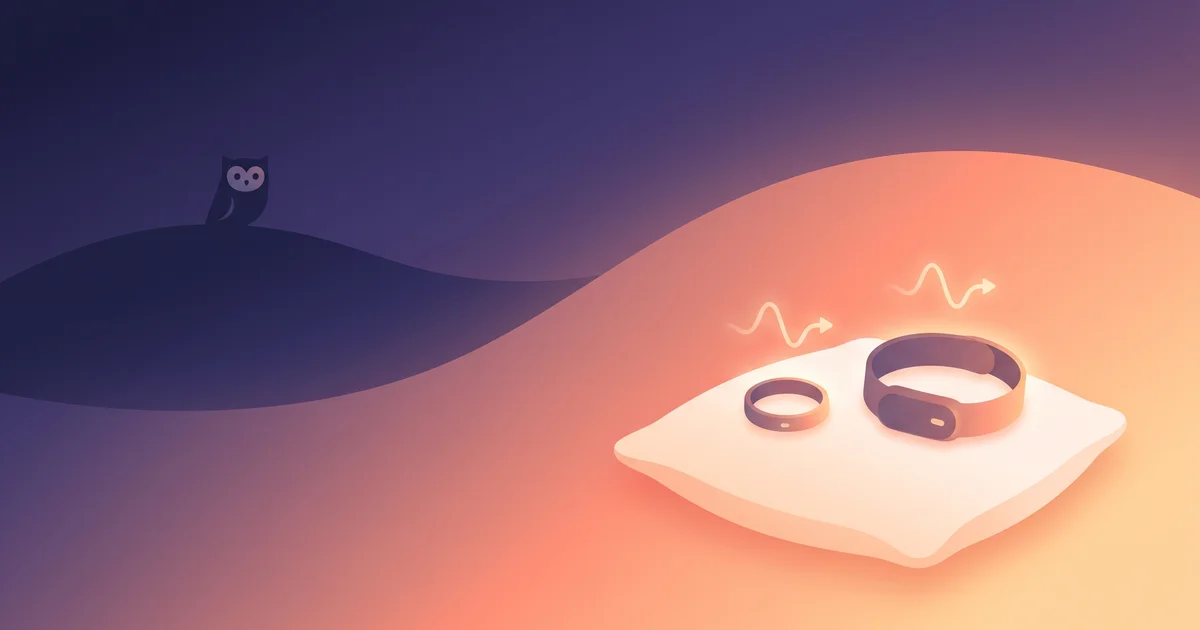
Oura Ring vs Fitbit for Sleep Tracking: Which One Actually Helps You Sleep Better?
A head-to-head look at how the Oura Ring and Fitbit track sleep specifically — sensors, sleep-stage data, comfort, battery life and app experience — so you can pick the right one for you.
The Realistic Morning Routine for Students (Late Nights Included)
A student-specific morning routine that works around late study sessions, dorm life, and early classes — plus exam-season tweaks that actually hold up.
Hatch Alarm Clock Alternatives: Sunrise Lights, Apps, and What Actually Works
Hatch is a popular sunrise-light alarm clock, but it's not the only option. Here's what Hatch-style alarms do well, where they fall short, and the best alternatives for different kinds of sleepers.
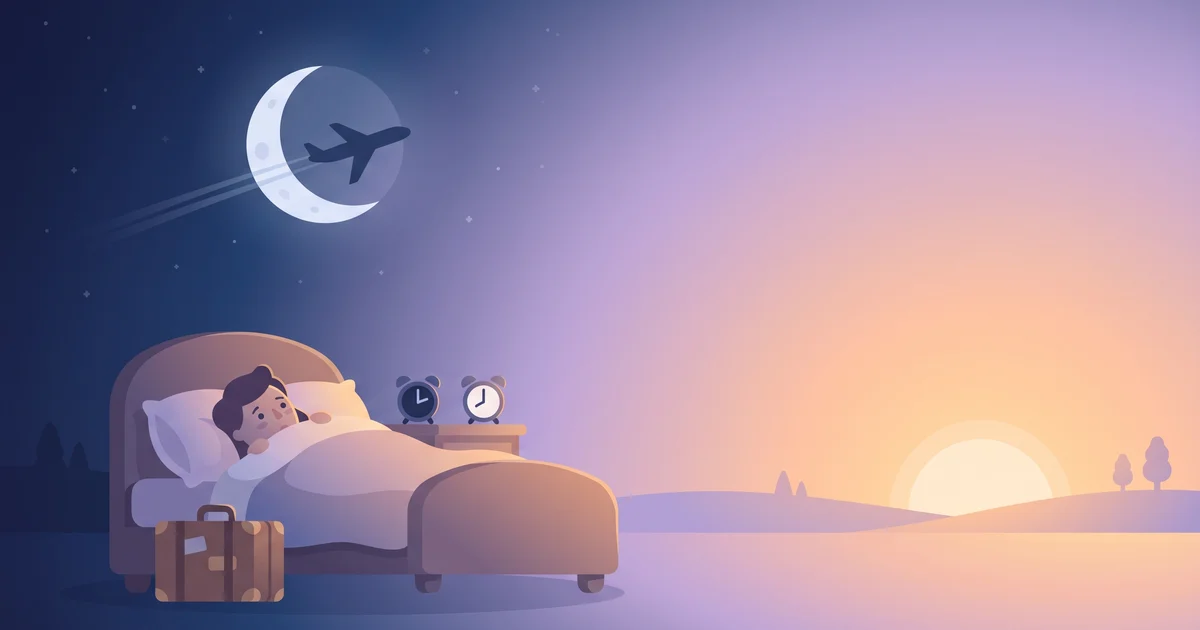
How to Get Over Jet Lag Fast: A Practical Plan for Flying East or West
Jet lag happens when your body clock is out of sync with a new time zone. Here's why flying east is harder, how to use light and sleep timing to adjust faster, and a simple before, during and after plan.
How to Wake Up Without an Alarm: Training Your Body Clock to Wake You Naturally
Waking up naturally without an alarm is possible for many people — with enough sleep, a consistent schedule and the right light. Here's how to train your body clock, how long it takes, and why you should keep a backup.
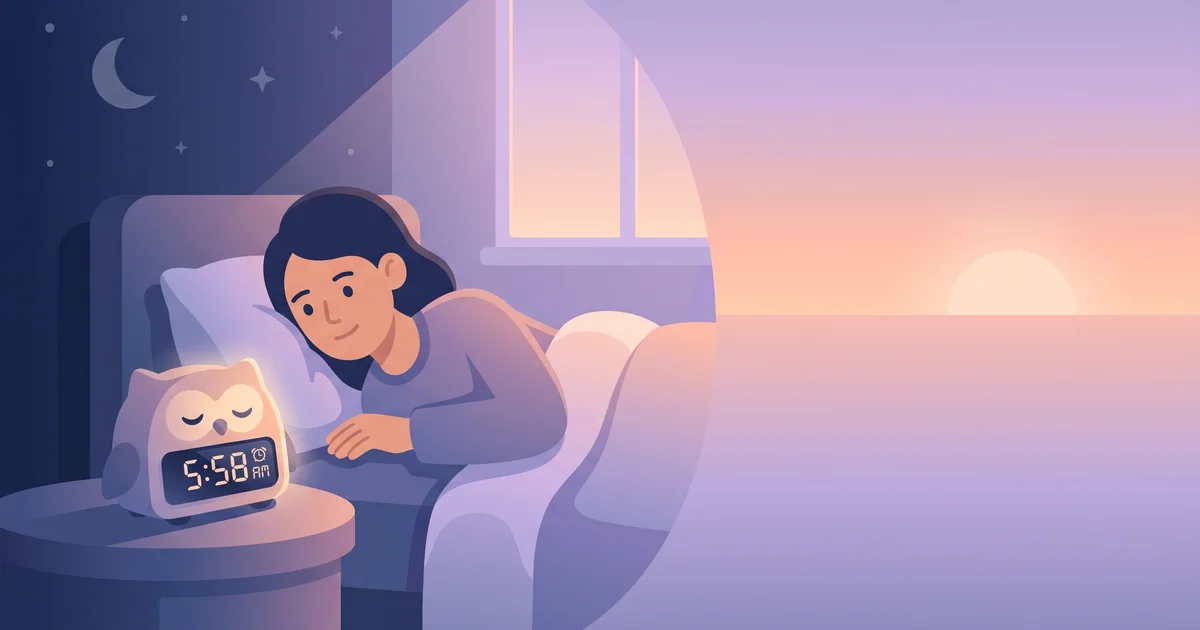
Why Do I Wake Up Right Before My Alarm? The Body Clock Explanation
Waking up a few minutes before your alarm goes off is surprisingly common. Here's why your body can anticipate your wake time, when it's a good sign, when early waking is a problem, and what to do about it.
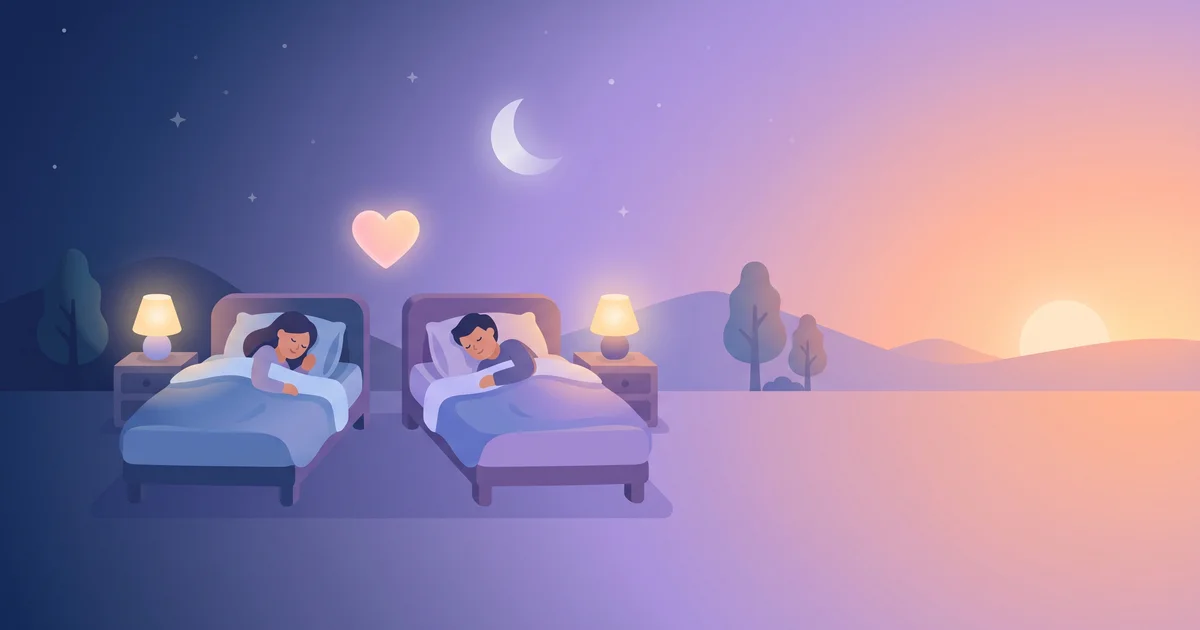
Sleep Divorce: Why So Many Couples Sleep Apart (and How to Do It Without Hurting Your Relationship)
Nearly a third of US adults have tried a "sleep divorce" — sleeping separately from their partner to get better rest. Here's why couples do it, the pros and cons, alternatives to try first, and how to talk about it.
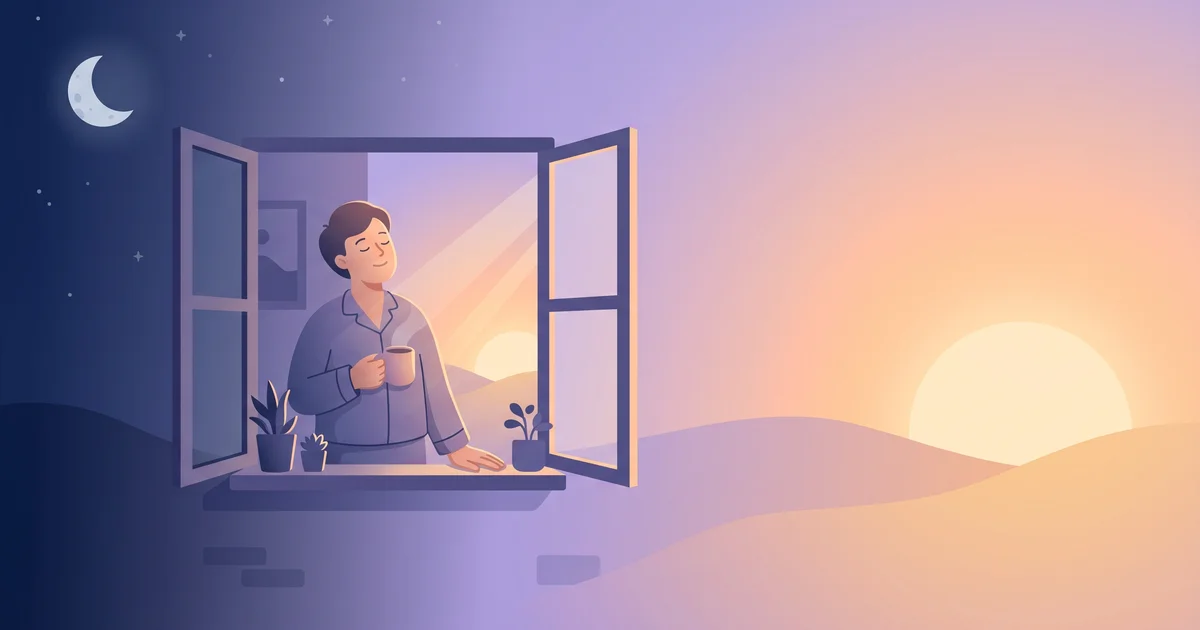
Morning Sunlight: Why Getting Light First Thing Helps You Sleep Better at Night
Getting sunlight in the morning is one of the most powerful — and free — ways to improve your sleep and energy. Here's how morning light sets your body clock, how much you need, and what to do on cloudy or dark days.
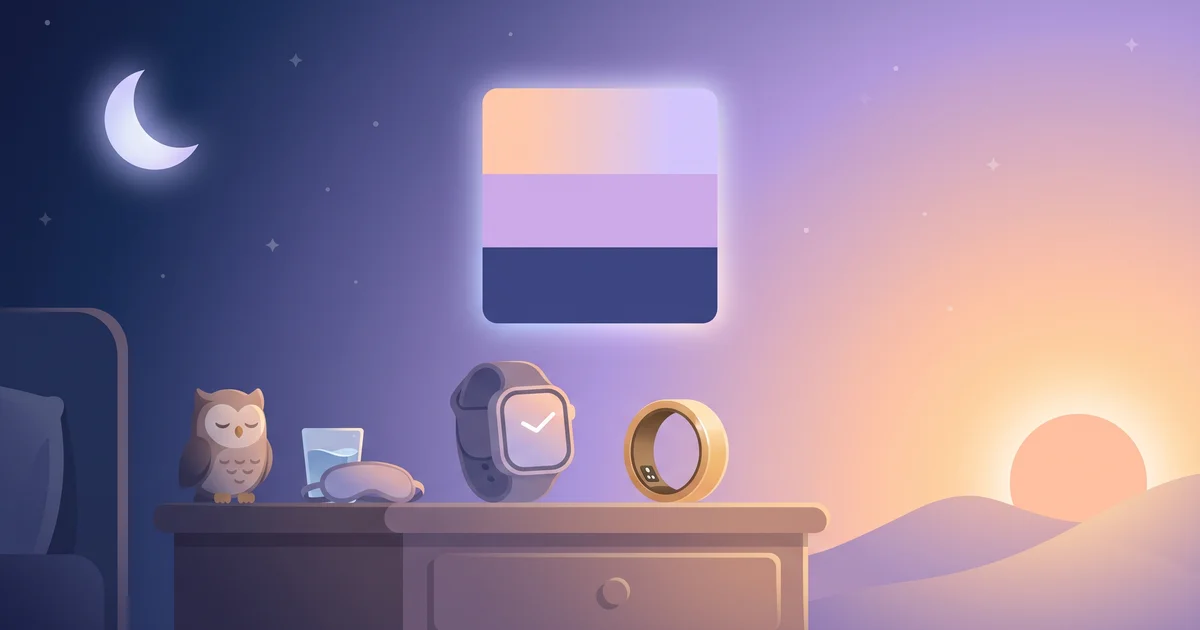
Do Sleep Trackers Work? What Rings, Watches and Apps Can (and Can't) Tell You
Sleep trackers are everywhere, but how accurate are they? Here's what wearables and apps measure well, what they guess, the risk of orthosomnia, and how to use sleep data without letting it keep you up at night.
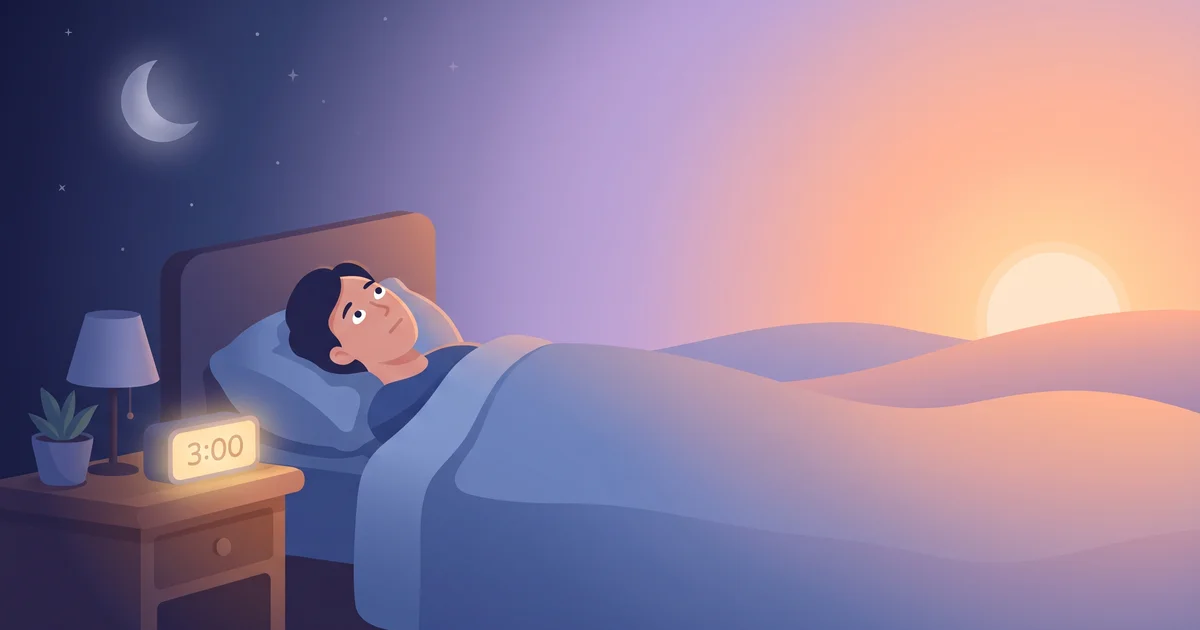
Waking Up at 3am Every Night? Common Causes and How to Get Back to Sleep
Waking up at 3am and lying there wide awake is one of the most common sleep complaints. Here's why it happens — from alcohol and stress to sleep apnea — and what to do in the moment and long term.

Sunrise Alarm Clocks: Do Wake-Up Lights Actually Work? (What to Look For)
A sunrise alarm clock gradually brightens your room before your alarm, mimicking dawn. Here's what the research says, who they help most, the features that matter, and how they compare with a phone alarm.
Should You Make Your Bed Every Morning? Why This 2-Minute Habit Matters
"Make your bed" became famous advice from a Navy admiral's speech. Here's what the habit really does for you, what the evidence does and doesn't say, and how to turn it into a keystone morning habit.
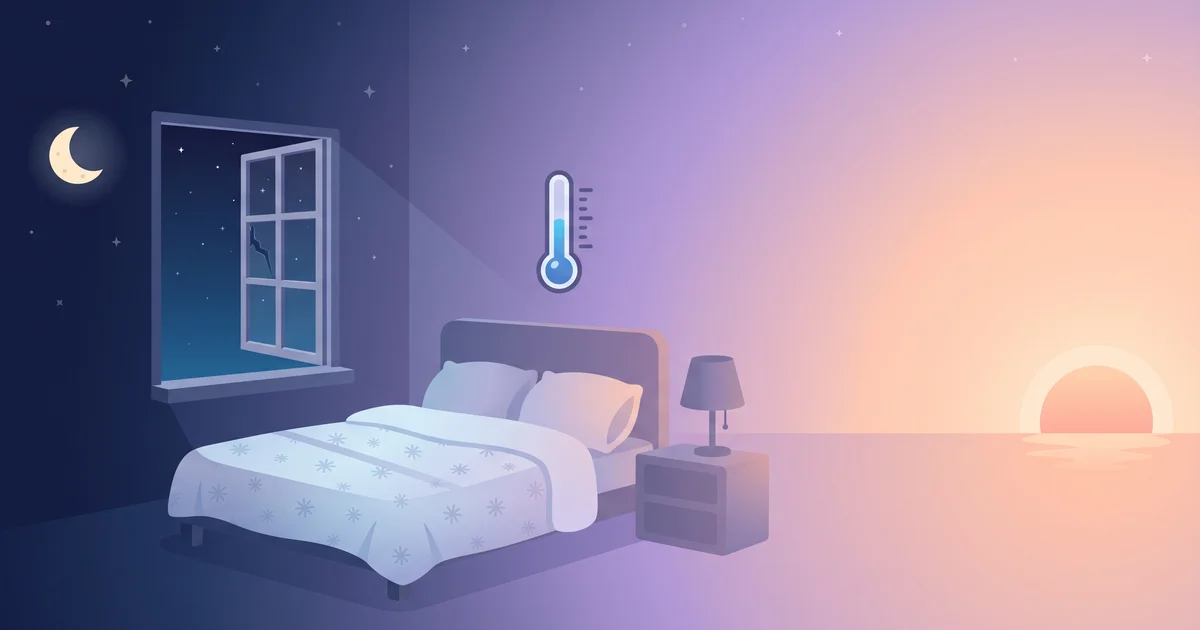
The Best Temperature for Sleep: How Cool Should Your Bedroom Be?
A cool bedroom helps you fall asleep and stay asleep. Here's the commonly recommended temperature range, why your body needs to cool down for sleep, and practical tips for hot and cold nights.

Night Owl? How to Live (and Sleep Better) When Your Body Clock Runs Late
Being a night owl is partly genetic — but living on an early-bird schedule has real costs. Here's what makes someone a night owl, the challenges, and practical strategies to sleep better without fighting your biology every day.
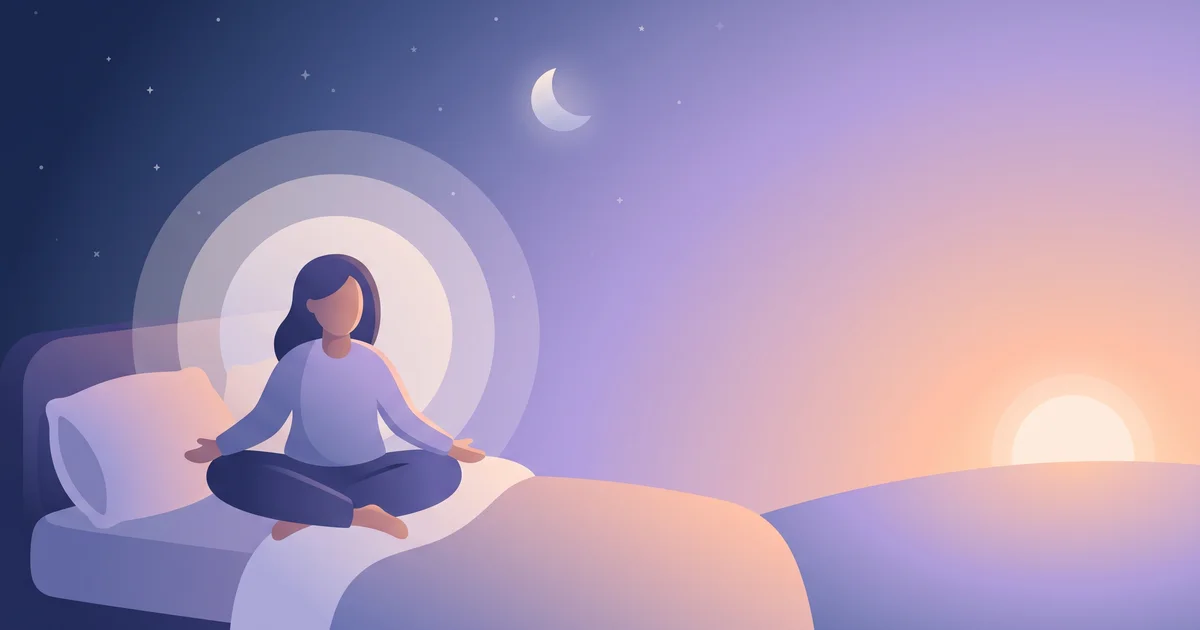
Meditation for Sleep: A Beginner's Guide to Falling Asleep With Mindfulness
Meditation can calm a busy mind and help you fall asleep. Here's what the research says, four simple sleep meditation techniques for beginners, a 10-minute bedtime practice, and how to make it a habit.

How to Get Out of Bed When You Don't Want To: 10 Tricks for Mornings That Feel Impossible
Some mornings, getting out of bed feels impossible. Here are 10 practical tricks — from the 5-second countdown to removing the snooze decision entirely — plus what to do when it's more than just a tough morning.
When to Stop Drinking Coffee Before Bed: The Caffeine Cutoff Explained
How long before bed should you stop drinking coffee? Here's how long caffeine stays in your system, what research says about afternoon coffee and sleep, caffeine amounts in common drinks, and how to find your personal cutoff.
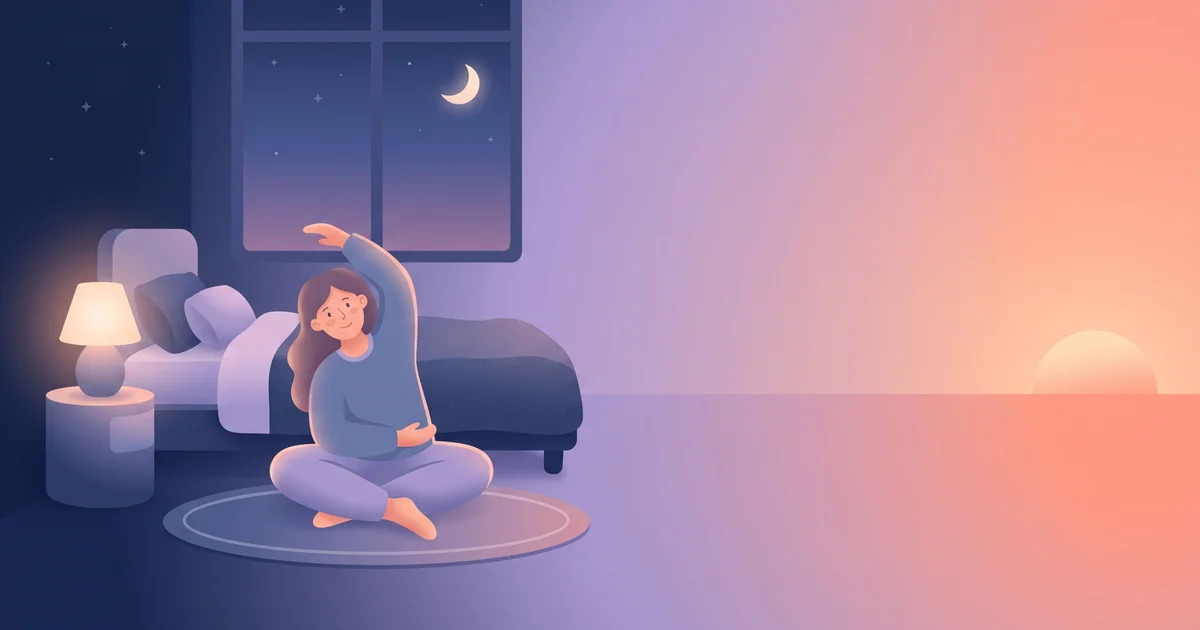
8 Gentle Stretches Before Bed to Relax Your Body and Sleep Better (10-Minute Routine)
A short stretching routine before bed can release tension and help you wind down. Here are eight gentle stretches, a 10-minute sequence, what the evidence says, and tips to make it a nightly habit.

The Sleepy Girl Mocktail: Does Tart Cherry and Magnesium Actually Help You Sleep?
The sleepy girl mocktail — tart cherry juice, magnesium and sparkling water — went viral as a natural sleep aid. Here's what's in it, what the evidence says about each ingredient, who should be cautious, and why the ritual may matter more than the drink.
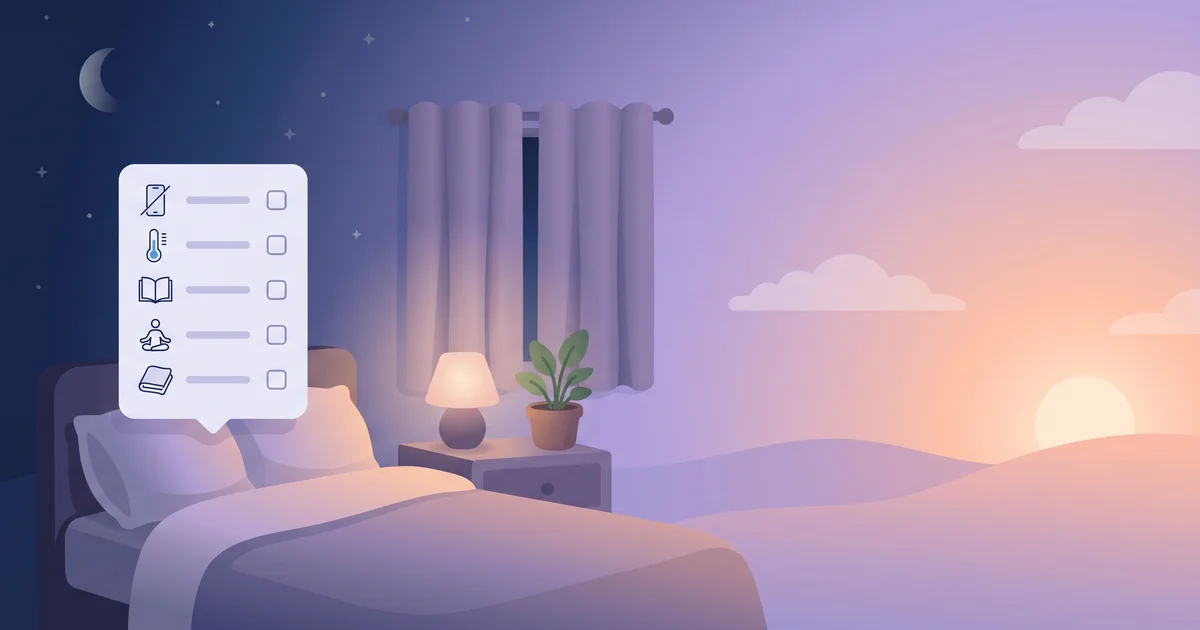
Sleep Hygiene Checklist: 20 Habits for Better Sleep (Ranked by Impact)
Sleep hygiene is the set of habits and bedroom conditions that support good sleep. Here's a practical 20-point checklist, ranked by impact, so you know which changes to make first.
The Best Alarm Sound to Wake Up To: Melody vs Beeps, Volume, and What Research Suggests
Your alarm tone affects how groggy you feel. Here's what research suggests about melodic versus harsh alarm sounds, why a familiar tone stops working, and how to choose the best alarm sound for waking up.

Reading Before Bed: Benefits for Sleep, Paper vs E-Reader, and How to Make It a Habit
Reading before bed is one of the simplest ways to wind down — but what and how you read matters. Here's what research says about paper books vs screens, what to read, and how to build a reading habit that helps you sleep.
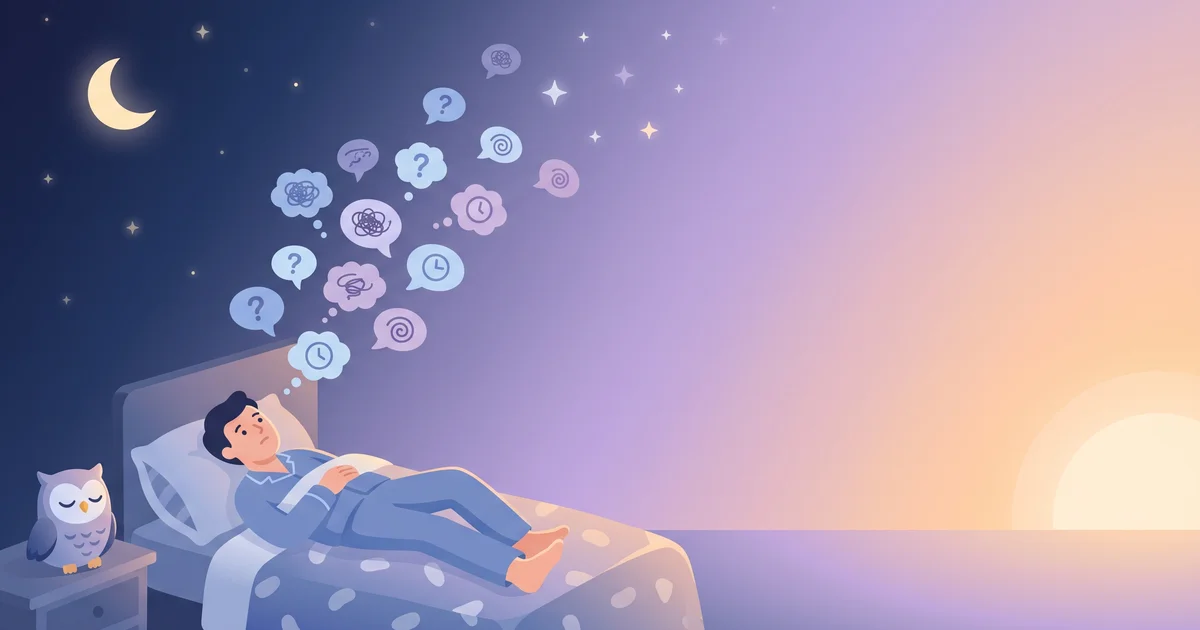
Racing Thoughts at Night: Why Your Mind Won't Switch Off and 9 Ways to Quiet It
Can't sleep because your brain won't stop? Racing thoughts at night are common and very treatable. Here's why they happen at bedtime and nine practical techniques — from worry time to the cognitive shuffle — to help you switch off.
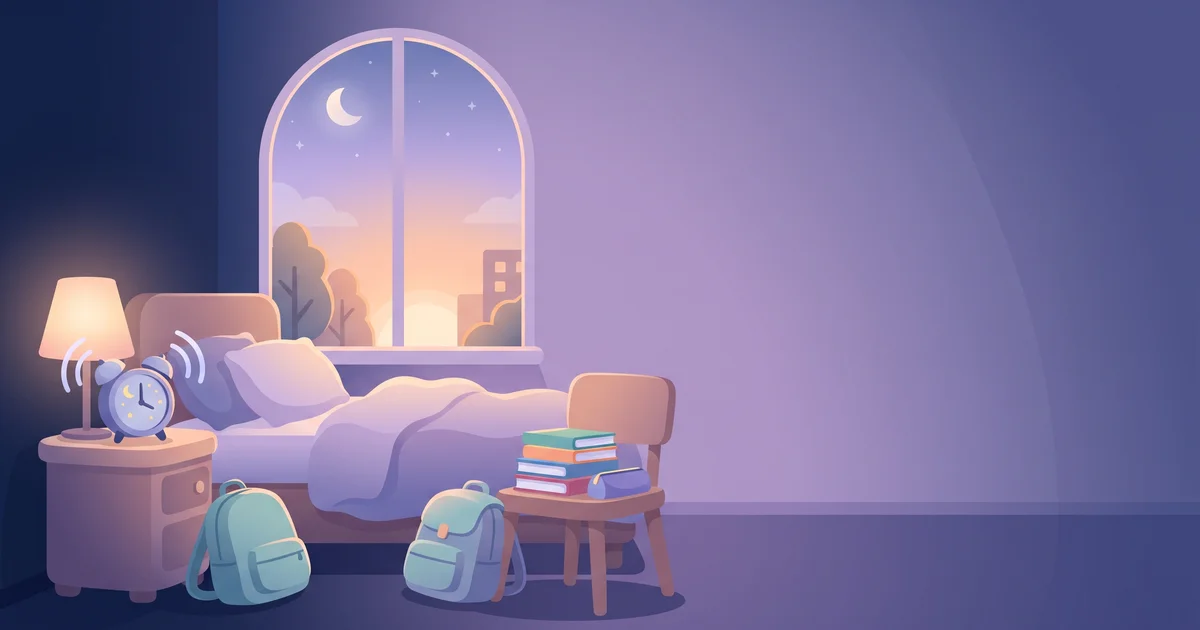
How to Wake Up Early for School: A Student's Guide to Easier Mornings
Waking up early for school is genuinely harder for teenagers — their body clocks run later. Here's why, how much sleep students need, and a practical routine (and alarm setup) to make school mornings less painful.
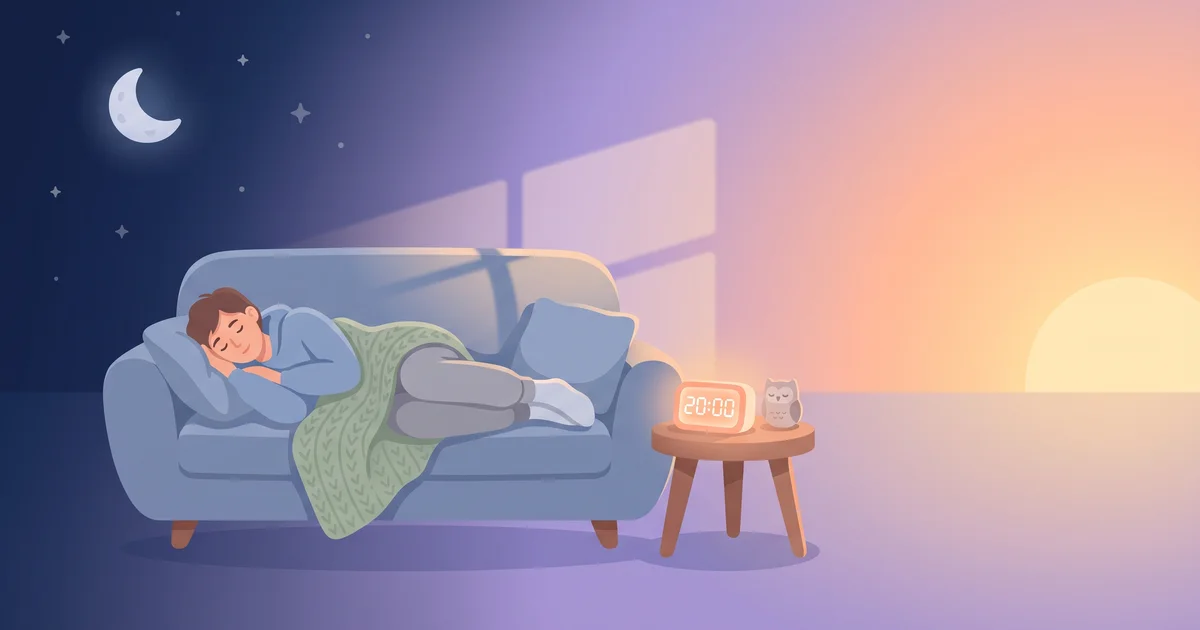
How Long Should a Nap Be? The Ideal Power Nap Length (and When to Nap)
The best nap length depends on what you want from it. Here's why 10–20 minutes is the sweet spot for a power nap, when a 90-minute nap makes sense, the naps to avoid, and how napping affects your night's sleep.
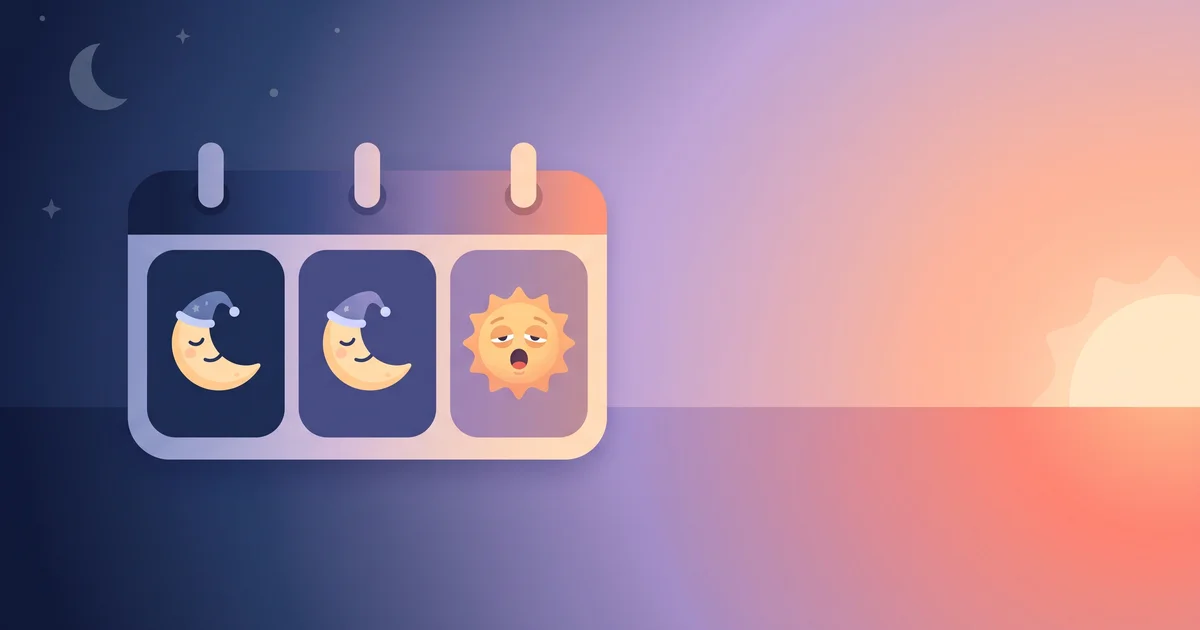
Social Jet Lag: Why Weekend Lie-Ins Make Mondays So Hard (and How to Fix It)
Social jet lag is the mismatch between your body clock and your social schedule — usually from sleeping in on weekends. Here's how to measure yours, why it matters, and how to reduce it without giving up your weekends.

Mouth Taping for Sleep: Does It Work, and Is It Safe? What the Evidence Says
Mouth taping went viral as a sleep hack for better breathing, less snoring and deeper sleep. Here's what a 2025 systematic review found, the real risks, who should never try it, and what to do instead.
How to Wake Up at 5am (Without Feeling Awful): A 3-Week Plan
Want to wake up at 5am? Jumping straight from 7:30 rarely lasts. Here's a gradual 3-week plan — bedtime, light, alarm setup and weekends — to make a 5am wake-up feel normal instead of brutal.
Why Is It So Hard to Wake Up in Winter? The Science (and 8 Fixes for Dark Mornings)
Dark, cold mornings make waking up genuinely harder — it's not just you. Here's how winter darkness affects your body clock and melatonin, and practical ways to make winter mornings easier.
Sleep Debt: What It Is, How It Adds Up, and Whether You Can Really Catch Up
Sleep debt is the gap between the sleep you need and the sleep you get — and it builds quietly. Here's how to calculate yours, what research says about catching up on weekends, and how to pay it back properly.
Journaling Before Bed: How a 5-Minute Habit Can Quiet Your Mind and Help You Sleep
Journaling before bed can help you fall asleep faster by getting worries and to-dos out of your head. Here's what the research says, which type of journaling works best for sleep, and simple prompts to start tonight.
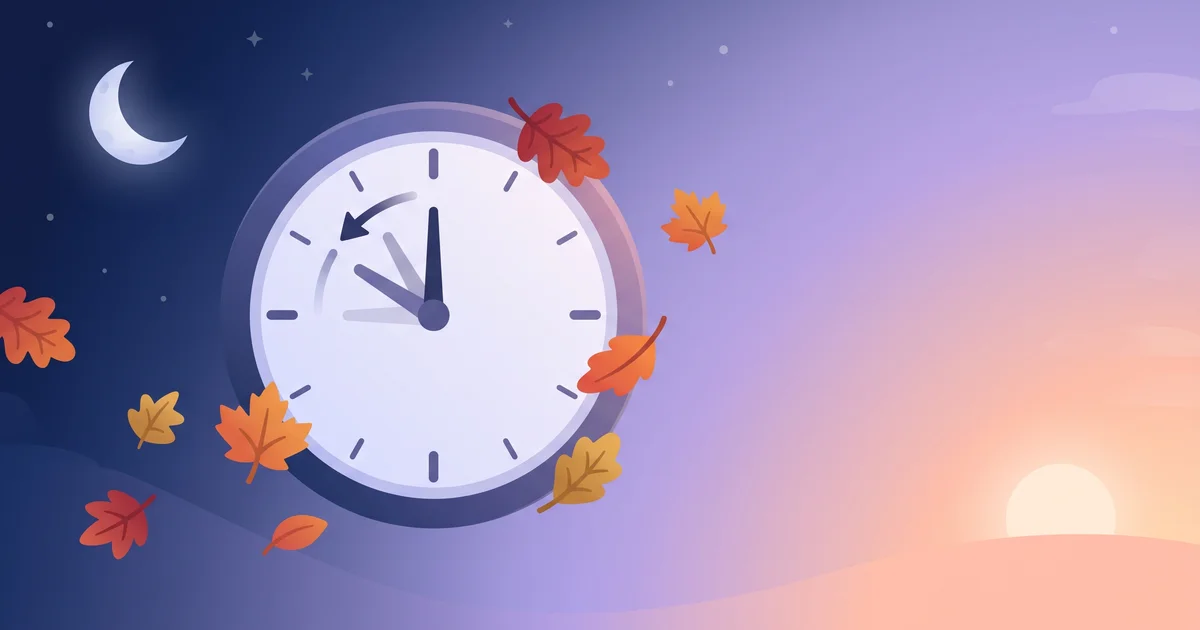
Clocks Go Back 2026: How to Adjust Your Sleep When Daylight Saving Time Ends
The clocks go back on Sunday 25 October 2026 in the UK and Europe and on Sunday 1 November in the US and Canada. Here's what the extra hour does to your body clock and a simple plan to adjust without wrecked mornings.
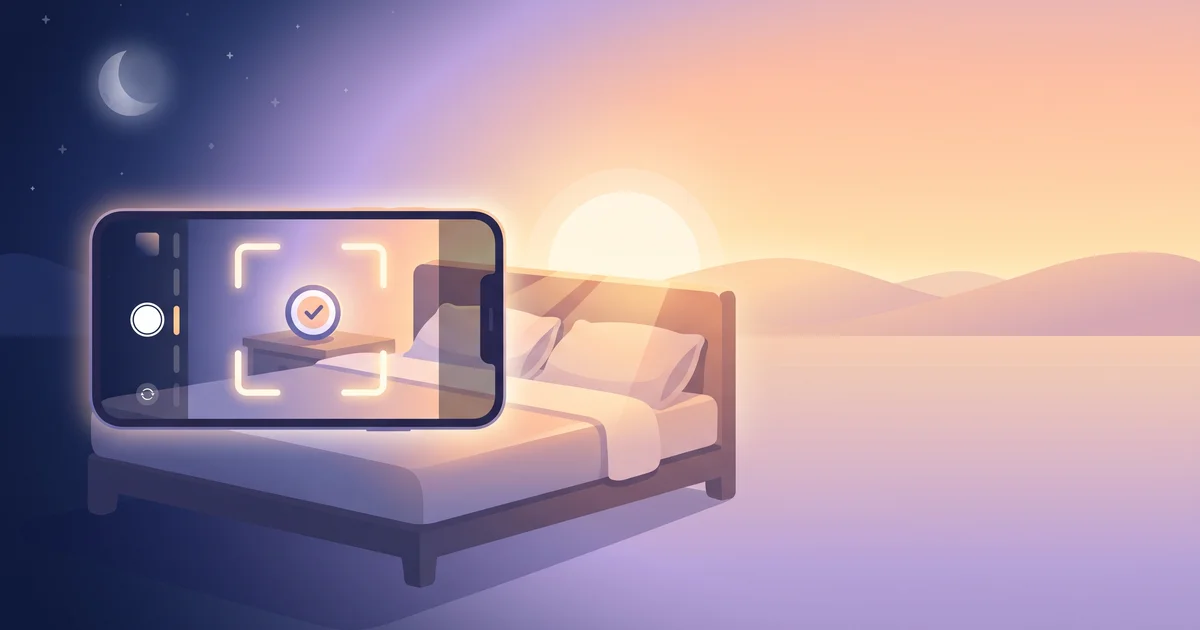
An Alarm That Makes You Get Out of Bed: 6 Types Compared (and Which Actually Work)
Looking for an alarm that forces you out of bed? Here are the six main types — from photo-mission apps to running alarm clocks — how each one works, how people cheat them, and how to pick the right one.
Math Alarm Apps: Do Alarms That Make You Solve Problems Actually Wake You Up?
A math alarm won't stop ringing until you solve a problem. Here's why that works so well for snoozers and heavy sleepers, how hard the math should be, the other mission types worth trying, and how to avoid cheating yourself.
How to Fall Asleep Fast: 12 Techniques That Actually Work (Tonight and Long Term)
Can't fall asleep? Here are 12 evidence-based ways to fall asleep fast — from breathing and body-scan techniques you can use tonight to the habits that make falling asleep easy every night.

Chronotypes Explained: Lion, Bear, Wolf or Dolphin — What Your Sleep Type Really Means
Are you a lion, bear, wolf or dolphin? Chronotype quizzes are everywhere. Here's what chronotypes actually are, where the animal types come from, how scientists measure them, and how to use yours without letting it become an excuse.
The 5AM Club: Does Waking Up at 5am Actually Make You More Productive?
The 5AM Club promises that waking at 5am will transform your life. Here's what the book actually says, what the science on early rising shows, who it suits (and who it doesn't), and how to try it without wrecking your sleep.
Using Your Phone Before Bed: What It Really Does to Your Sleep (and a Realistic Fix)
Is using your phone before bed actually that bad? The blue-light story is only part of it. Here's what screens do to sleep, why the content matters more than the light, and a realistic phone-down routine.
How to Stop Oversleeping: Why It Happens and 9 Ways to Get Up on Time
Oversleeping is usually a sign of sleep debt, a drifting schedule or an alarm you can dismiss half-asleep — not laziness. Here's what causes it, when it's a health issue, and how to stop oversleeping for good.
Bedtime Calculator: What Time Should I Go to Bed to Wake Up Refreshed?
Use this simple bedtime calculator based on 90-minute sleep cycles to find when to go to sleep for your wake-up time — plus why cycle timing is only a guide and what matters even more.
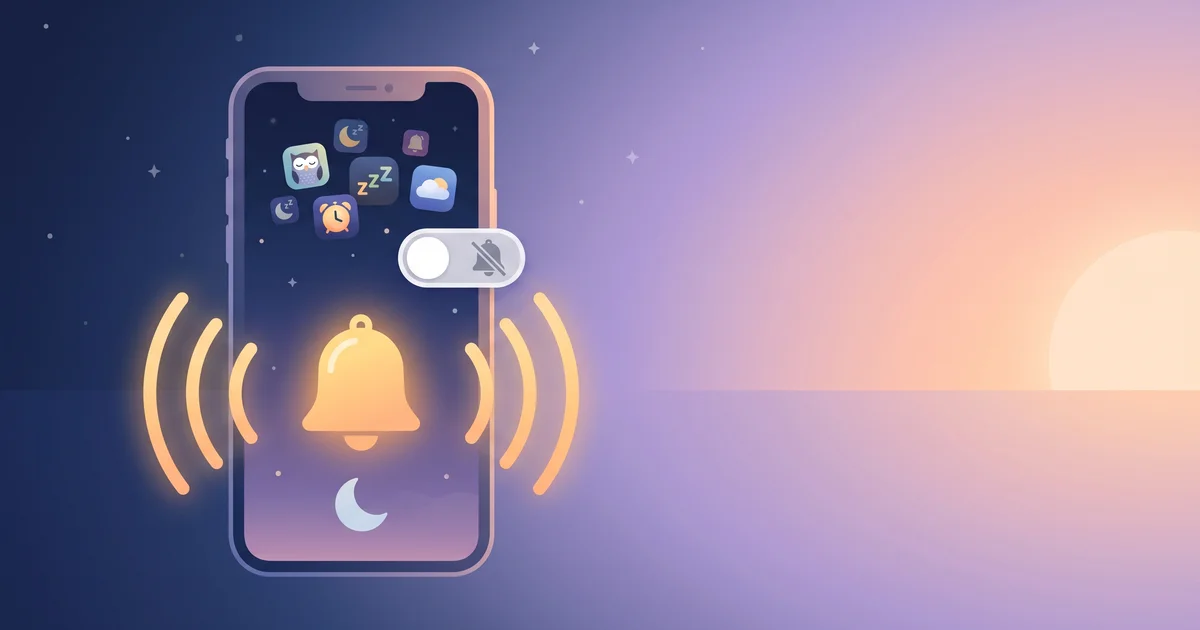
AlarmKit Explained: How iOS 26 Changed Third-Party Alarm Apps on iPhone
Before iOS 26, iPhone alarm apps were really just loud notifications that Silent mode could mute. AlarmKit changed that. Here's what it is, what it lets alarm apps do, and how to make sure yours is using it.
The Best Morning Routine for Productivity: A Simple 30-Minute Template That Sticks
A productive morning routine doesn't need a 5am wake-up or 12 steps. Here's a science-backed 30-minute template — light, water, movement, planning — plus how to adapt it and why most routines fail.
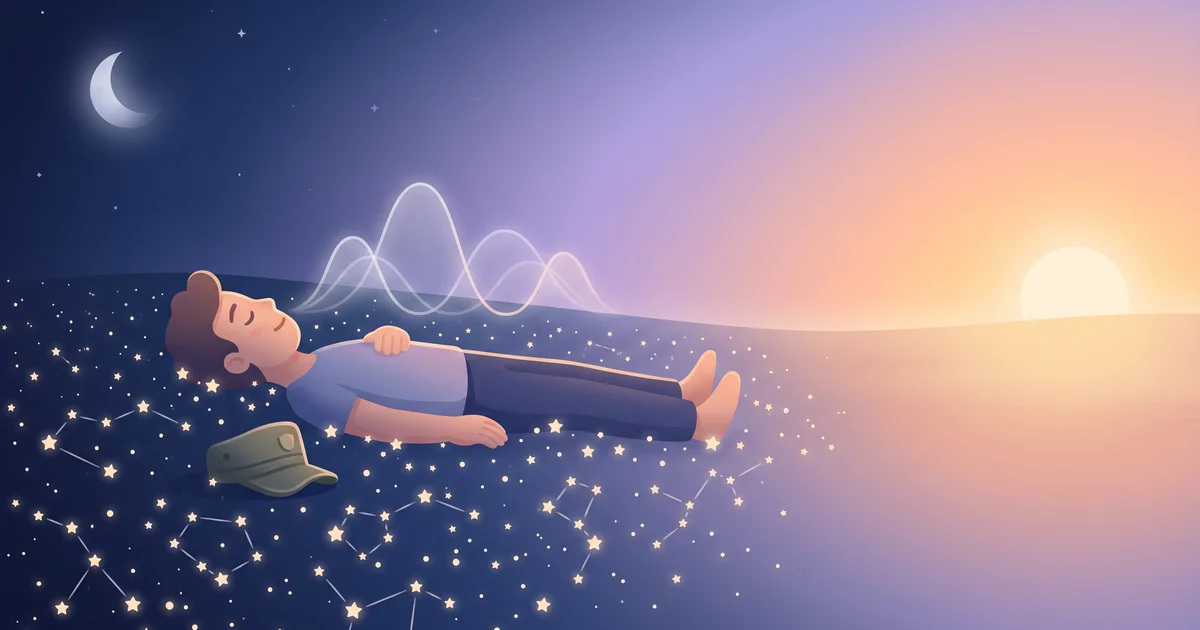
The Military Sleep Method: How to Fall Asleep in 2 Minutes (Step by Step)
The military sleep method is a relaxation technique said to help pilots fall asleep in two minutes. Here's where it comes from, the exact steps, what the evidence really says, and how to practise it so it works for you.
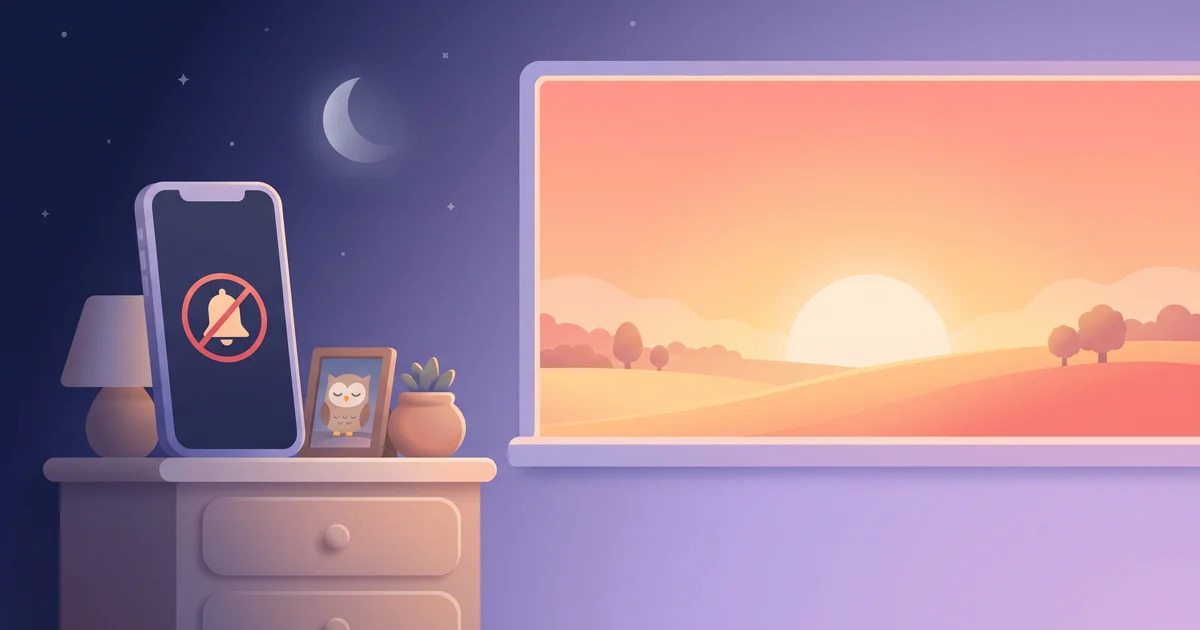
iPhone Alarm Not Going Off? 10 Fixes (Including Silent Mode, Focus and Third-Party Apps)
If your iPhone alarm didn't go off, didn't make a sound or was too quiet, one of these ten settings is almost always the cause. Here's how to check each, plus what changed for alarm apps with iOS 26 AlarmKit.
How Much Sleep Do I Need? Recommended Hours by Age (and How to Tell if You're Getting Enough)
Most adults need at least 7 hours of sleep, teens need 8–10 and children need more. Here are the official recommendations by age, why individual needs vary, and simple signs you're not getting enough.
Why Do I Sleep Through My Alarm? 9 Real Reasons (and the Fix for Each)
Sleeping through your alarm isn't laziness. It's usually sleep debt, bad timing, autopilot dismissal or an alarm that never actually rang. Here are the nine most common causes and exactly what to do about each.
Sleepmaxxing: What the Viral Sleep Trend Gets Right (and What's Just Hype)
Sleepmaxxing — optimising every detail of your sleep — has billions of views. Some of it is solid sleep science, some is unproven, and some can backfire. Here's an honest breakdown of what's worth doing.
How to Fix Your Sleep Schedule: A 14-Day Reset That Actually Sticks
A wrecked sleep schedule can be reset in about two weeks without all-nighters or willpower marathons. Here's the step-by-step plan — wake time first, light, bedtime shifts and what to do about weekends.
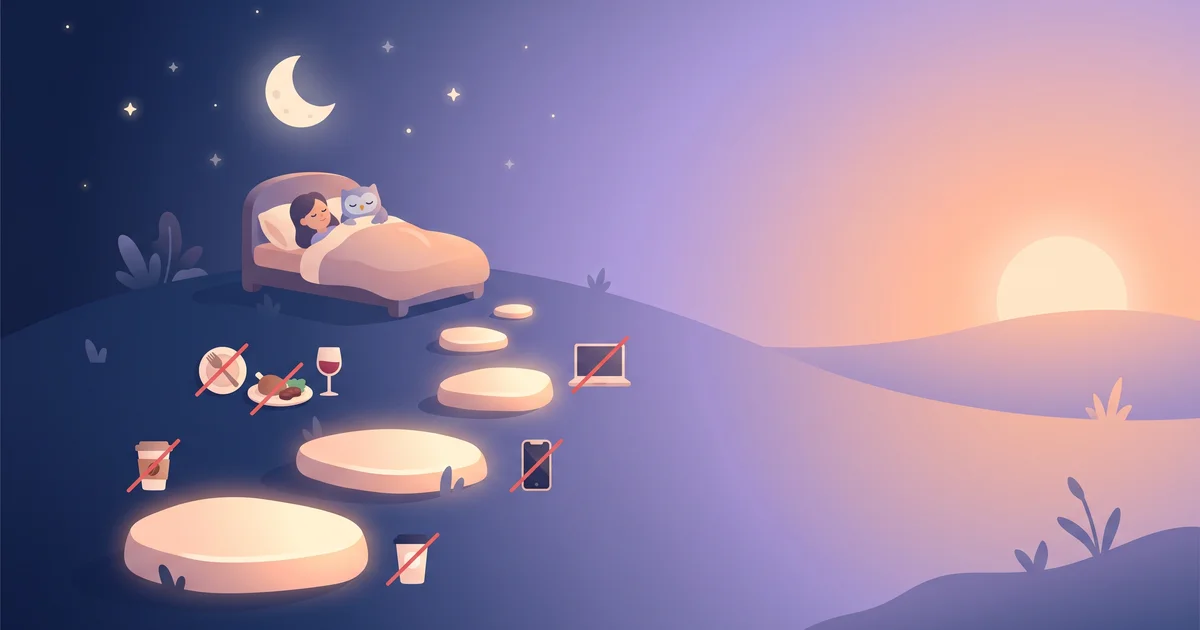
The 10-3-2-1-0 Sleep Rule Explained: Does the Viral Bedtime Formula Work?
The 10-3-2-1-0 rule — no caffeine 10 hours before bed, no food 3 hours before, no work 2 hours before, no screens 1 hour before, zero snoozes — went viral for a reason. Here's what the evidence says about each step and how to make it realistic.
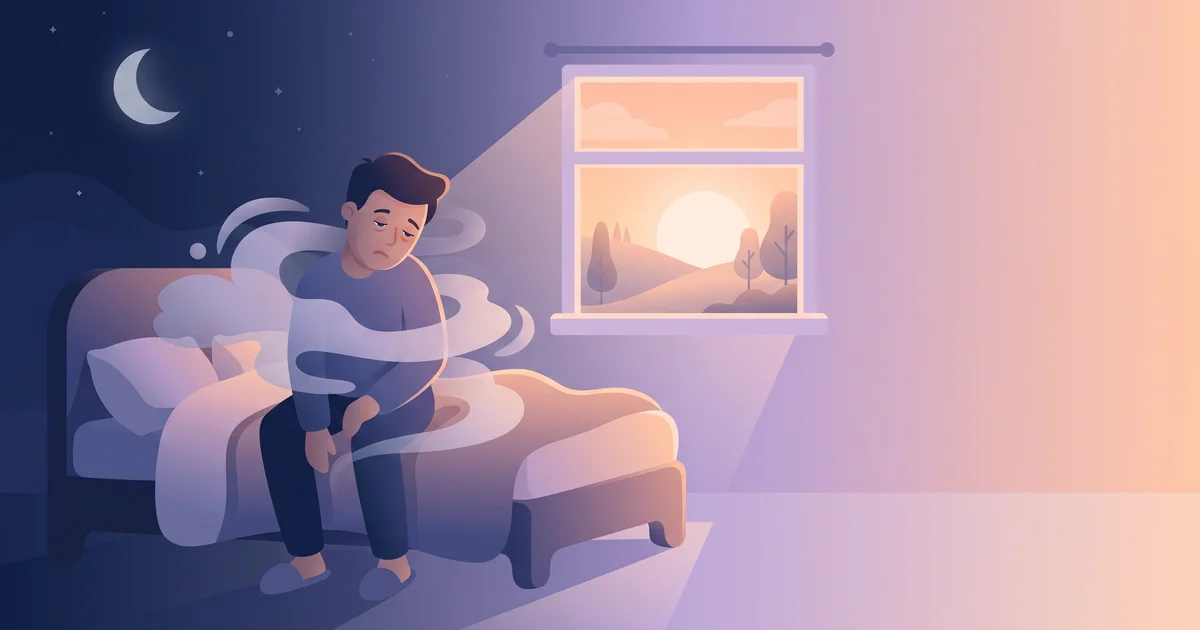
Sleep Inertia: Why You Feel Groggy After Waking Up (and How to Shake It Off Faster)
Sleep inertia is the foggy, heavy feeling right after you wake up. Here's what causes it, how long it lasts, why some mornings are worse than others, and the practical ways to shorten it.
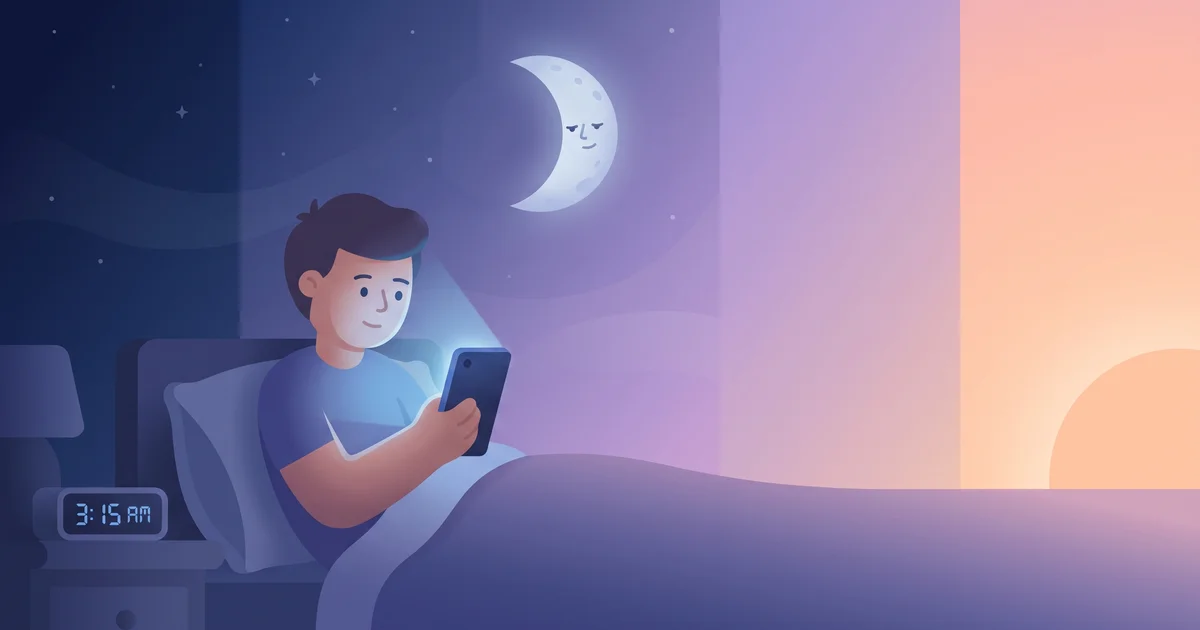
Revenge Bedtime Procrastination: Why You Stay Up Late on Purpose (and How to Stop)
Revenge bedtime procrastination is staying up late to claw back free time you didn't get during the day. Here's why it happens, why "just go to bed" doesn't work, and a realistic plan to break the cycle.
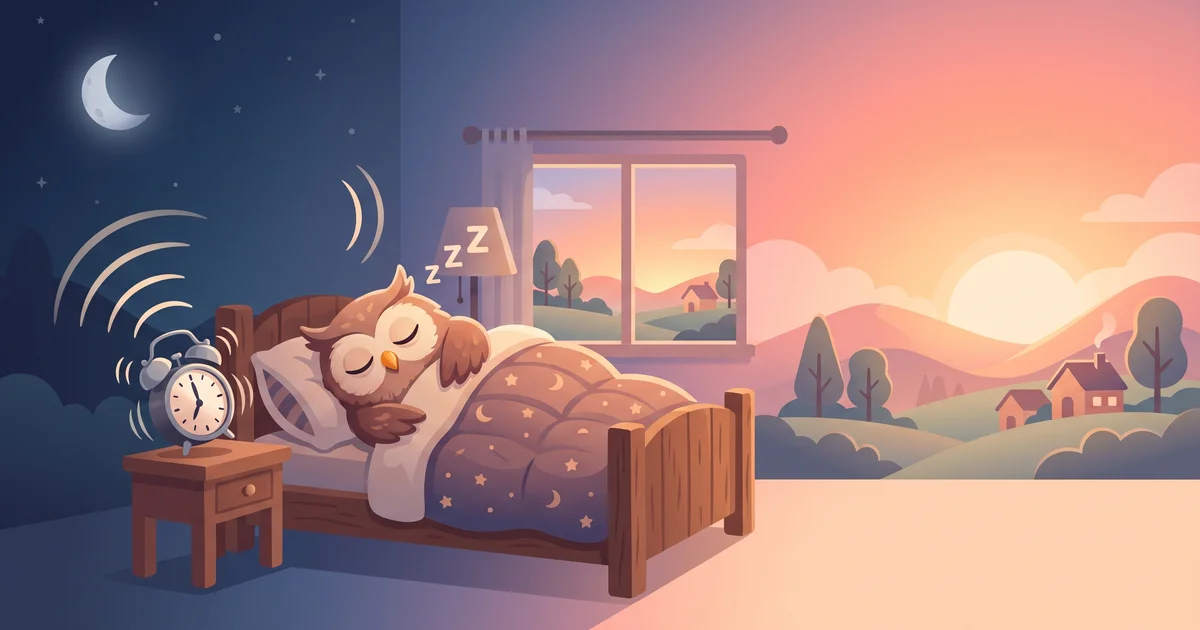
How to Wake Up a Heavy Sleeper (Including Yourself): 11 Methods That Actually Work
If you sleep through alarms, you're not lazy — you're probably waking up from the wrong sleep stage with the wrong kind of alarm. Here's how to wake up a heavy sleeper, ranked by what actually works.
Best Alarm App for Heavy Sleepers (2026): What Actually Matters Before You Download
The best alarm app for heavy sleepers isn't the loudest one — it's the one you can't dismiss half-asleep and that still rings when your phone is on silent. Here's how to choose, and how the main mission alarm apps compare.

How to Become a Morning Person (When You're Genuinely Not One)
Becoming a morning person isn't about willpower or a louder alarm — it's about making early mornings reinforcing instead of miserable. Here's the science-backed way to actually shift, and why most people give up in the first week.
OwlRoutine vs Alarmy vs Wayk: The Alarm App That Actually Builds a Routine
Alarmy and Wayk are both good at one thing — making you prove you're awake. Neither helps you get to sleep in the first place. Here's an honest comparison of what actually fixes mornings.
Sleep Cycles Explained: Why When You Wake Up Matters More Than How Long
Waking up groggy after 8 hours? It's often about which sleep stage your alarm interrupts. Here's how sleep cycles work and how to time your wake-up to feel rested.
How to Stop Hitting Snooze (and Why Snoozing Makes You More Tired)
Snoozing feels like extra rest but actually leaves you groggier. Here's the science of why the snooze button backfires — and a practical system to finally stop.
The Perfect Wind-Down Routine: 30 Minutes to Better Sleep
You can't sprint from a screen to deep sleep. Here's a simple 30-minute wind-down routine, backed by sleep science, to fall asleep faster and wake up easier.

Why You Wake Up Tired Even After 8 Hours (Sleep Inertia Explained)
Slept a full night and still groggy? Sleep inertia, cycle timing, and a few hidden factors explain it. Here's what's really going on and how to wake up clear-headed.
Sleep Consistency: The Habit That Beats Sleeping Longer
A regular sleep schedule may matter more than total hours. Here's the science on why consistency wins — and how to build a steady sleep rhythm that sticks.