When to Stop Drinking Coffee Before Bed: The Caffeine Cutoff Explained

Coffee is how most of us survive the morning — and for plenty of people, it's also why they can't fall asleep at night. The question isn't whether caffeine affects sleep (it does); it's when to stop drinking coffee before bed so your afternoon cup doesn't steal your night.
The short answer
For most people, stopping caffeine at least 8–10 hours before bed is a sensible target — roughly by 13:00–14:00 for a 23:00 bedtime. Caffeine's half-life is around five hours on average but varies a lot between people, and research has found that caffeine taken even six hours before bed can noticeably reduce sleep. If you have trouble falling asleep, the caffeine cutoff is one of the first things to change.
How caffeine affects sleep
Throughout the day, a chemical called adenosine builds up in your brain, creating "sleep pressure" — the growing need to sleep. Caffeine works by blocking adenosine receptors, so you feel less sleepy. That's great at 9am. At 22:00, it means your brain doesn't get the "time to sleep" signal it's expecting.
Caffeine can:
- Make it take longer to fall asleep.
- Reduce total sleep time.
- Reduce deep sleep.
- Make sleep lighter and more easily disrupted.
And you may not notice. Plenty of people fall asleep fine after an evening espresso and still get lighter, shorter sleep than they would otherwise.
How long does caffeine last?
Caffeine's half-life — the time it takes your body to clear half of it — averages around 5 hours in healthy adults but can range from about 2 to 10 hours or more. It tends to be longer during pregnancy, with some oral contraceptives and certain medications, and can vary with genetics and liver function.
| Time after a coffee at 15:00 | Approximate caffeine remaining (5 h half-life) |
|---|---|
| 15:00 | 100% |
| 20:00 | ~50% |
| 01:00 | ~25% |
| 06:00 | ~12% |
In other words: half of your 3pm coffee may still be active at 8pm, and a quarter at 1am.
What research says about afternoon coffee
A well-known 2013 study in the Journal of Clinical Sleep Medicine gave participants a large dose of caffeine at bedtime, three hours before, or six hours before bed. All three disrupted sleep compared with a placebo — even the dose taken six hours before bed reduced total sleep by more than an hour as measured at home. Interestingly, people didn't always perceive the disruption.
That's where the "10" in the popular 10-3-2-1-0 sleep rule comes from: a generous buffer that covers most people.
OwlRoutine helps you wind down at night and actually get up in the morning — with a guided wind-down, dismiss missions, and sleep scores. Available on iPhone and Android.


How much caffeine is in common drinks?
Amounts vary a lot by brand, size and preparation. These are typical approximate values:
| Drink | Typical caffeine |
|---|---|
| Brewed coffee (240 ml / 8 oz) | ~95 mg |
| Espresso (single shot) | ~60–65 mg |
| Instant coffee (1 cup) | ~60–80 mg |
| Black tea (240 ml) | ~40–50 mg |
| Green tea (240 ml) | ~25–35 mg |
| Cola (355 ml can) | ~30–40 mg |
| Energy drink (250 ml) | ~80 mg (some much more) |
| Dark chocolate (30 g) | ~20 mg |
| Decaf coffee (240 ml) | ~2–15 mg |
Don't forget hidden sources: pre-workout supplements, some painkillers and cold remedies, and "focus" drinks.
How to find your personal cutoff
- Start with a 10-hour cutoff for two weeks. For a 23:00 bedtime, that's 13:00.
- Notice how you sleep: how quickly you fall asleep, how often you wake, how you feel in the morning.
- If you sleep well, you can experiment with moving it later by an hour.
- If you still struggle, try moving it earlier, or reducing your total daily caffeine.
Tips for cutting afternoon caffeine without crashing
- Switch your afternoon coffee to decaf or a caffeine-free tea.
- Take a short walk or get daylight when the afternoon slump hits.
- Try a short nap (10–20 minutes) in the early afternoon instead. How long should a nap be?
- Fix the root cause. If you need caffeine all afternoon, you may be short on sleep. Sleep debt explained.
Caffeine and waking up
Caffeine can help cut through morning grogginess, and many people rely on it. That's fine — just keep it to the morning. It's also worth trying water and light first, since sleep inertia often lifts on its own within 15–30 minutes of getting up.
The bottom line
Caffeine lasts much longer than it feels like it does. For most people, stopping 8–10 hours before bed — around early afternoon — protects sleep. Start there, watch how you sleep, and adjust. If you need caffeine all day just to function, the real fix is more sleep.
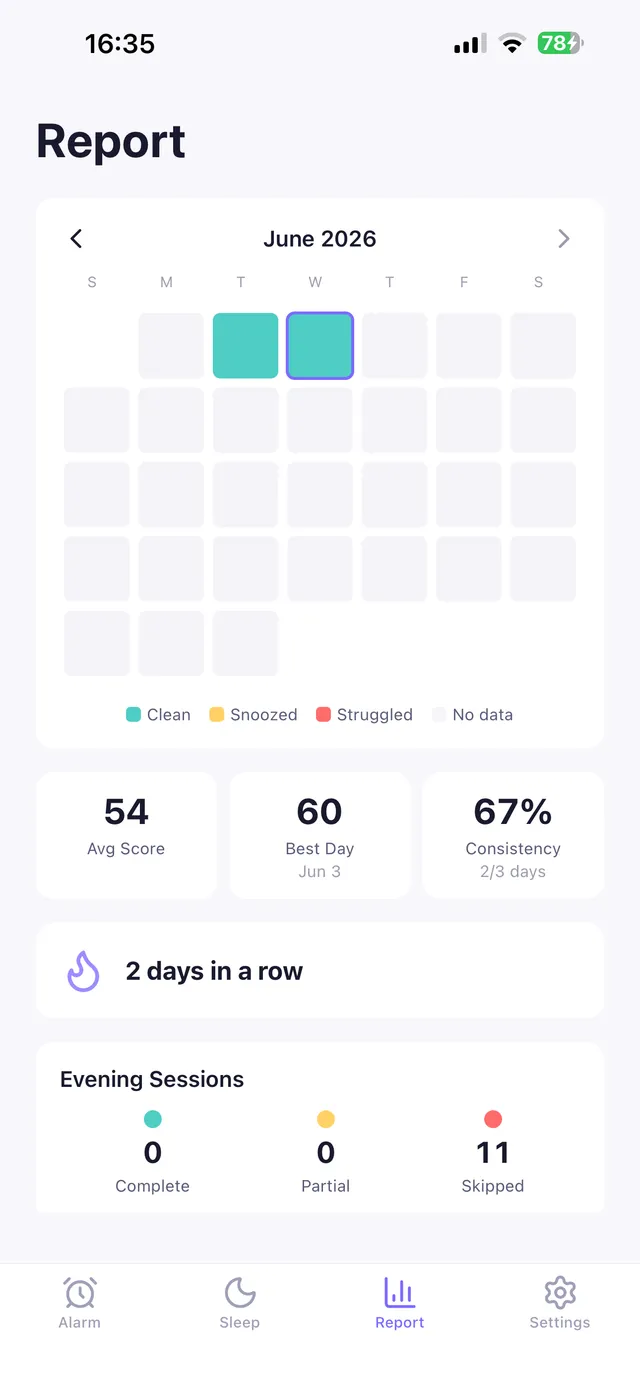
OwlRoutine can't cut your coffee for you, but it can make the sleep side of the equation easier: bedtime reminders and a guided wind-down to get you to bed on time, a consistent mission alarm, and weekly charts that show whether your nights are getting better as your habits change.
This article is general information, not medical advice. If you're pregnant, take medication or have a health condition, ask a doctor about caffeine limits.
Frequently asked questions
How long before bed should I stop drinking coffee?
For most people, at least 8–10 hours. For a 23:00 bedtime, that means your last caffeine around 13:00–14:00.
How long does caffeine stay in your system?
Caffeine's half-life averages about 5 hours but varies from roughly 2 to 10 hours or more between people, so a significant amount can remain many hours after drinking it.
Can coffee in the afternoon affect sleep?
Yes. A 2013 study found that caffeine taken six hours before bed reduced total sleep by more than an hour, even though participants didn't always notice.
Is decaf coffee okay before bed?
Decaf contains small amounts of caffeine, usually a few milligrams per cup. Most people tolerate it in the evening, but very sensitive people may still notice an effect.
Wake up for real. Wind down for good.
OwlRoutine is a sleep-cycle alarm that makes mornings actually stick — with a guided wind-down, dismiss missions, sleep scores and rewards. Available on iPhone and Android.