Seasonal Affective Disorder and Sleep: Recognizing the Connection
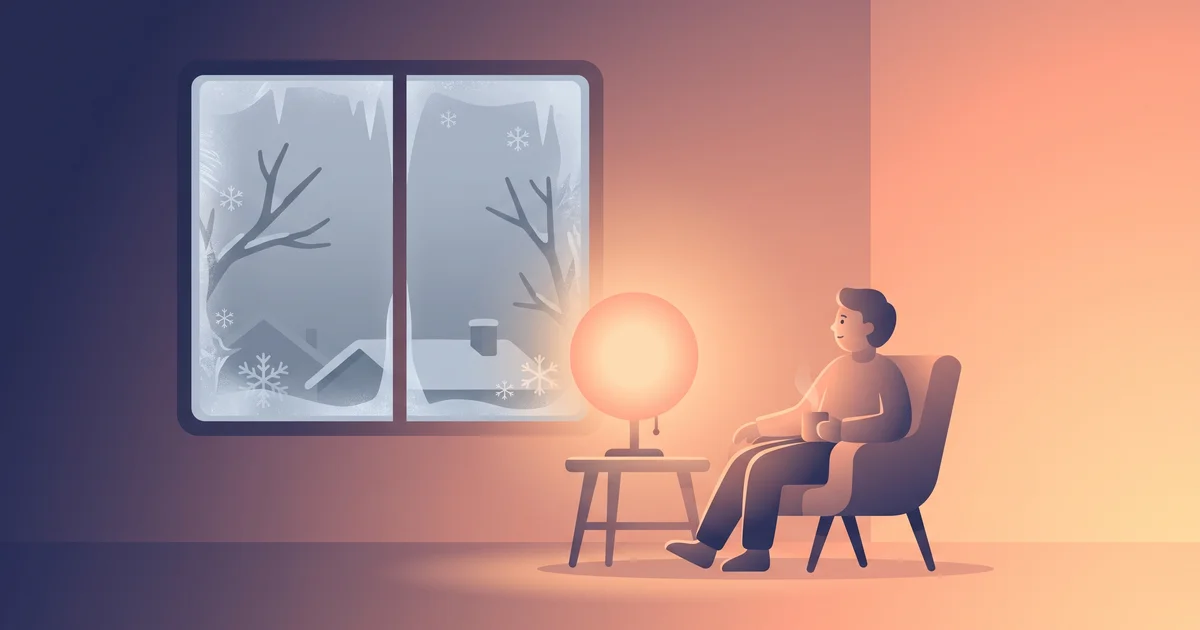
As the days shorten, it's common to feel a little sleepier and a little lower — but for some people, that shift is much more than a mild seasonal dip. Seasonal affective disorder (SAD) is a recognized form of depression tied to the changing seasons, and sleep is one of the areas it affects most. This is about the mood side of that connection specifically — if what you're really struggling with is just getting out of bed on dark winter mornings, hard to wake up in winter covers that angle directly.
The short answer
Seasonal affective disorder is a form of depression that follows a seasonal pattern, most commonly starting in fall or winter as daylight hours drop, and it commonly affects sleep — usually causing oversleeping and low energy, though some people experience the opposite. It's strongly linked to reduced light exposure disrupting circadian rhythm and melatonin regulation. Light exposure, including light therapy, is one of the most established tools for managing it, alongside other treatments. Persistent low mood, hopelessness, or loss of interest in daily life for more than a couple of weeks is worth discussing with a doctor.
How SAD differs from general winter sluggishness
Most people feel some seasonal shift — a bit more tired, a bit less motivated when it's dark at 5pm. SAD is a distinct, diagnosable pattern, not just "the winter blues" turned up slightly. It involves symptoms that noticeably affect daily functioning, follow a consistent seasonal timing (typically starting and ending around the same months each year), and go beyond tiredness into the territory of clinical depression symptoms.
| General seasonal dip | Seasonal affective disorder | |
|---|---|---|
| Mood | Mildly lower | Persistently low, sometimes hopeless |
| Energy | Somewhat reduced | Markedly reduced, often overwhelming |
| Sleep | Slightly more tired | Significant oversleeping or sleep disruption |
| Interest in activities | Mostly intact | Noticeably reduced |
| Duration | Comes and goes | Consistent pattern, weeks to months, most seasons |
| Impact on daily life | Minor | Meaningful — work, relationships, self-care affected |
Common symptoms
- Persistent low mood, most of the day, most days
- Oversleeping or, less commonly, trouble sleeping
- Low energy and fatigue, even after a full night's sleep
- Increased appetite, particularly for carbohydrates
- Difficulty concentrating
- Loss of interest in activities usually enjoyed
- Social withdrawal
- In some cases, feelings of hopelessness or worthlessness
Sleep-wise, the most common pattern is hypersomnia — sleeping longer than usual and still feeling unrefreshed, along with a general heaviness getting going in the morning. This overlaps with, but is distinct from, the simple mechanical problem of dark mornings making it harder to wake up, which is more of a circadian-timing issue than a mood disorder.
Why light matters so much
Daylight is the primary cue your circadian system uses to regulate the sleep-wake cycle and hormones like melatonin and, indirectly, serotonin. When daylight hours shrink and mornings stay dark later into the day, that signal weakens — for most people this causes a mild adjustment, but for people prone to SAD, the disrupted rhythm appears to play a significant role in triggering depressive symptoms. This is why light-based interventions are central to managing it, rather than being just one option among many.
OwlRoutine helps you wind down at night and actually get up in the morning — with a guided wind-down, dismiss missions, and sleep scores. Available on iPhone and Android.


Light therapy and light exposure
- Light therapy boxes deliver bright, controlled light (typically much brighter than ordinary indoor lighting) for a set period each morning, and are one of the more established approaches for SAD specifically. Timing, distance from the box, and duration all affect how well it works, so following the device's guidance (or a clinician's) matters more than just having one on the desk.
- Natural morning light is a lower-cost complementary habit — getting outside, even on an overcast day, in the first part of the morning. See why morning sunlight matters for the broader circadian case for this habit.
- Consistency matters. Both light therapy and natural light exposure tend to work best as a daily habit through the darker months, not an occasional fix.
- Timing in the morning is generally more effective than evening light exposure for this specific purpose, since it works with your body's natural rhythm rather than against it.
Sleep habits that support the light-based approach
- Keep a consistent wake time, even on days when getting up feels heavier than usual — see sleep consistency matters for why this has an outsized effect on your body clock.
- Anchor your morning routine around getting light exposure early, rather than letting a dark morning drift into a dark early afternoon before you've been outside.
- Watch for oversleeping creeping later and later — it's a common pattern in SAD, and can itself worsen the mood symptoms by further disrupting your rhythm.
- A wind-down routine in the evening still matters through winter, even if energy and motivation are lower — consistency here supports the same circadian system that light exposure is working on in the morning.
When to seek professional help
Feeling a bit low and sluggish as the days shorten is common and usually manageable with basic habits. It's worth talking to a doctor if:
- Low mood, hopelessness, or loss of interest lasts more than two weeks and follows you most days.
- Sleep, appetite, or concentration changes are significantly affecting work, relationships, or daily functioning.
- You notice this pattern repeating at the same time each year.
- You have thoughts of self-harm — this warrants immediate professional support, not a wait-and-see approach.
SAD is a well-recognized, treatable condition, and options beyond light exposure — including therapy and, when appropriate, medication — are available through a doctor or mental health professional.
The bottom line
Seasonal affective disorder is a genuine, seasonally-patterned form of depression, distinct from ordinary winter sluggishness, and it commonly shows up as oversleeping, low energy, and low mood as daylight hours shrink. Light — both natural morning exposure and, where appropriate, light therapy — is one of the most established tools for managing it, alongside professional treatment when symptoms are significant or persistent.
A consistent wake time matters more during the darker months, not less, since oversleeping can quietly deepen the pattern. OwlRoutine's mission alarm is built to get you up and moving even on the mornings motivation is at its lowest, and the guided wind-down routine helps keep your evenings on a steady rhythm through the season, which supports the same circadian system that light therapy targets.
This article is general information, not medical advice. If you think you may have seasonal affective disorder, or notice thoughts of self-harm, talk to a doctor or mental health professional.
Frequently asked questions
What is the difference between SAD and normal winter tiredness?
SAD is a diagnosable seasonal pattern of depression involving persistent low mood, significant sleep and energy changes, and reduced interest in activities that meaningfully affects daily life — beyond the mild seasonal dip many people feel.
Does seasonal affective disorder cause oversleeping?
Yes, oversleeping (hypersomnia) combined with low energy is one of the most common sleep patterns associated with SAD, though some people experience sleep difficulty instead.
Does light therapy actually help with SAD?
Light therapy is one of the more established approaches for SAD, working by supporting the circadian and mood-related signals that reduced daylight disrupts. Timing and consistency matter for how well it works.
When should I see a doctor about seasonal mood changes?
If low mood, hopelessness, or loss of interest lasts more than two weeks, follows a yearly seasonal pattern, or is affecting daily life, it's worth discussing with a doctor.
Wake up for real. Wind down for good.
OwlRoutine is a sleep-cycle alarm that makes mornings actually stick — with a guided wind-down, dismiss missions, sleep scores and rewards. Available on iPhone and Android.