Morning Sunlight: Why Getting Light First Thing Helps You Sleep Better at Night
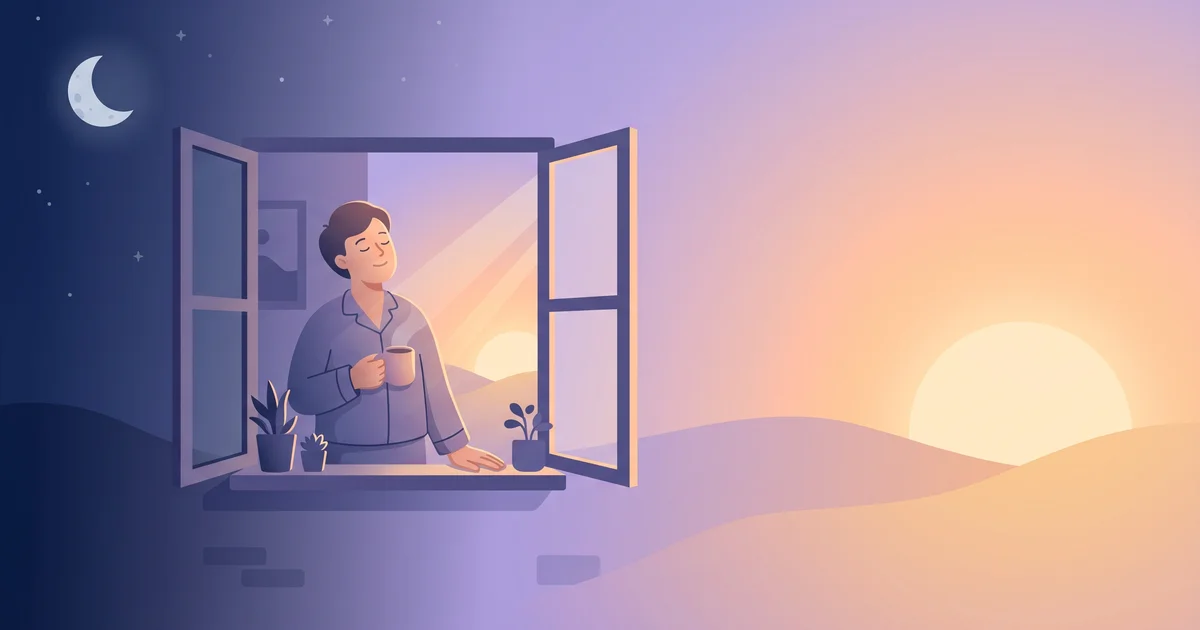
If there's one sleep habit that's free, takes ten minutes and works for almost everyone, it's this: get sunlight in the morning. Morning light is the most powerful signal your body clock receives. It helps you feel more awake now, and — less obviously — helps you feel sleepy at the right time tonight.
The short answer
Morning sunlight helps set your circadian rhythm: bright light soon after waking tells your body clock that the day has started, suppresses lingering melatonin, boosts alertness and helps shift your sleep timing earlier. Aim for around 10–30 minutes outdoors within an hour of waking — longer on cloudy days. Don't look directly at the sun.
How morning light affects your body clock
Your brain has a master clock that runs on roughly 24 hours. Special light-sensitive cells in your eyes send signals straight to it. Light at different times of day has different effects:
- Morning light tends to advance your clock — making you sleepy earlier at night and waking easier.
- Evening and night light tends to delay your clock — pushing sleepiness later.
That's why a day spent mostly indoors followed by a bright evening of screens is such a common recipe for late nights and hard mornings. Why your sleep schedule drifts.
Outdoor light vs indoor light
| Light source | Typical brightness (approx. lux) |
|---|---|
| Typical indoor room | 100–500 |
| Bright office | 300–1,000 |
| Overcast day, outdoors | 1,000–10,000 |
| Bright sunny day, outdoors | 10,000–100,000 |
Even a grey, cloudy morning outside is usually many times brighter than indoor lighting. Sitting by a window helps, but going outside is far more effective.
Benefits of morning sunlight
- More alertness now. Light helps clear the fog of sleep inertia.
- Easier sleep tonight. A well-anchored clock makes you sleepy at a consistent time.
- Easier waking tomorrow. Your body starts preparing for your usual wake time.
- Mood. Bright light is used as a treatment for seasonal affective disorder, and daylight exposure is associated with better mood in general.
OwlRoutine helps you wind down at night and actually get up in the morning — with a guided wind-down, dismiss missions, and sleep scores. Available on iPhone and Android.


How much morning sunlight do you need?
There's no single official dose, but common practical guidance is:
- Sunny morning: around 10 minutes outdoors.
- Overcast morning: 20–30 minutes.
- Very dark winter mornings: get outside as soon as it's light, or use bright indoor light and consider a light box (check with a doctor if you have eye conditions or bipolar disorder).
Sunglasses reduce the effect, so skip them for this if it's safe and comfortable. Never stare at the sun.
Easy ways to get morning light
- Drink your coffee outside or on a balcony.
- Walk or cycle part of your commute.
- Take a short walk before starting work from home.
- Walk the dog first thing.
- Open curtains immediately and sit by the brightest window for breakfast.
- Exercise outdoors in the morning.
Morning light on dark winter days
In autumn and winter, many people wake before sunrise. Try:
- Bright overhead lights straight after waking.
- A sunrise alarm clock to brighten the room before your alarm.
- Getting outside as soon as it's light — even a lunchtime walk helps.
More in why it's so hard to wake up in winter.
Common mistakes
- Waiting until lunchtime. Midday light is still good for mood and alertness, but the body-clock benefit is strongest earlier in the day.
- Relying on a window. Glass and indoor distance cut the light dramatically. Step outside if you can.
- Only on workdays. Weekend morning light helps prevent social jet lag.
- Scrolling instead of looking up. A phone screen isn't a substitute. Put it away and look at the sky and your surroundings (not directly at the sun).
- Giving up in winter. It's when morning light matters most — even ten minutes of grey daylight counts.
A simple morning light routine
- Alarm off, feet on the floor.
- Curtains open, bright lights on.
- Glass of water.
- 10–20 minutes outside: coffee on the doorstep, a walk around the block, or part of your commute on foot.
- Then start the day.
Pair it with dim evenings
Morning light and dim evenings work together. If you get great light at 8am but spend 22:00–00:00 under bright lights and screens, you're pushing your clock in both directions. Dim the lights in the last hour or two before bed and put your phone away. What phones do to your sleep.
The bottom line
Morning sunlight is one of the simplest, most effective sleep habits there is. Ten to thirty minutes outdoors soon after waking helps anchor your body clock, makes you more alert now and sleepier at the right time tonight. Pair it with dim evenings and a consistent wake time for the full effect.
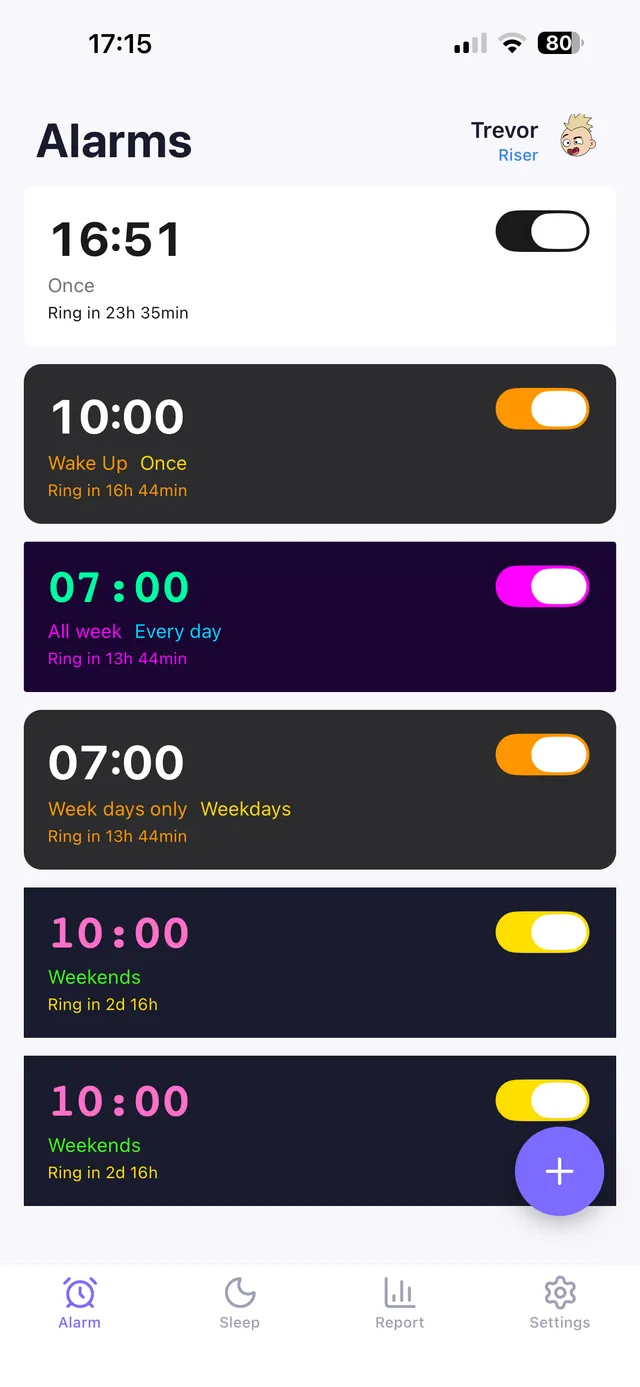
OwlRoutine nudges you toward this after every alarm: "Get sunlight" is one of its morning suggestions, alongside drinking water, moving, making your bed and planning your day — so the minutes after your alarm set up tonight's sleep, too.
This article is general information, not medical advice.
Frequently asked questions
Why is morning sunlight good for sleep?
Bright light soon after waking tells your body clock that the day has started, which helps you feel alert now and sleepy at the right time at night.
How long should I get morning sunlight?
Around 10 minutes outdoors on a sunny morning and 20–30 minutes on an overcast one is common practical guidance.
Does light through a window count?
It helps, but outdoor light is much brighter. Going outside, even on a cloudy day, is far more effective than sitting indoors.
What if it's dark when I wake up?
Turn on bright lights immediately, consider a sunrise alarm or light box, and get outside as soon as it's light.
Wake up for real. Wind down for good.
OwlRoutine is a sleep-cycle alarm that makes mornings actually stick — with a guided wind-down, dismiss missions, sleep scores and rewards. Available on iPhone and Android.