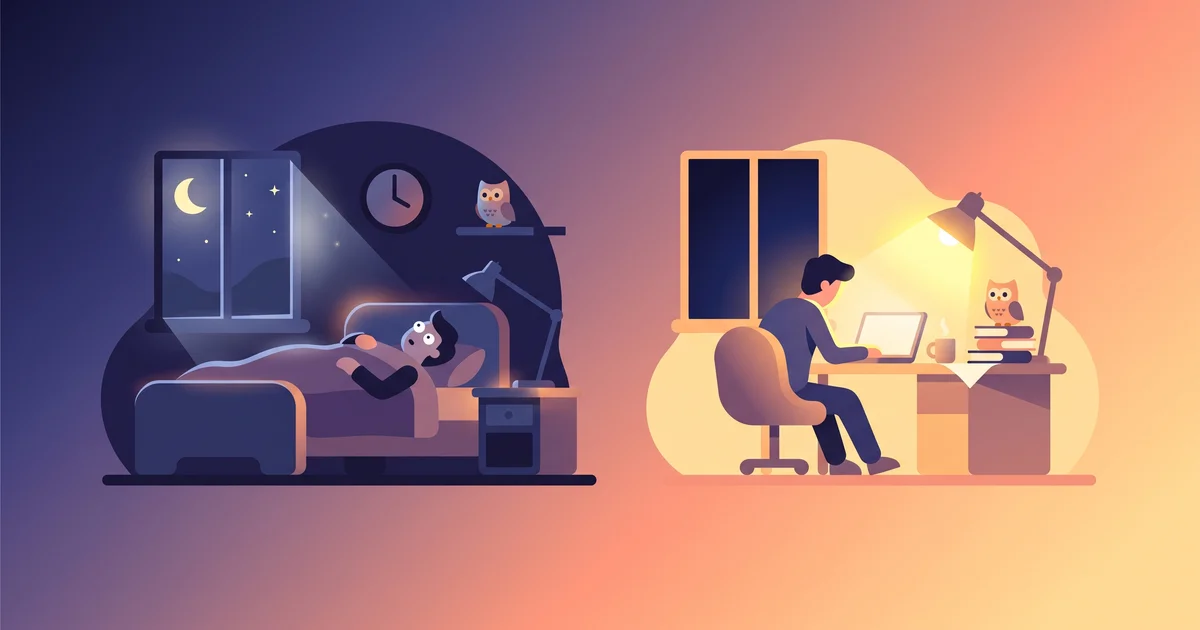
Why Am I Always Tired? Causes Beyond Just Not Sleeping Enough
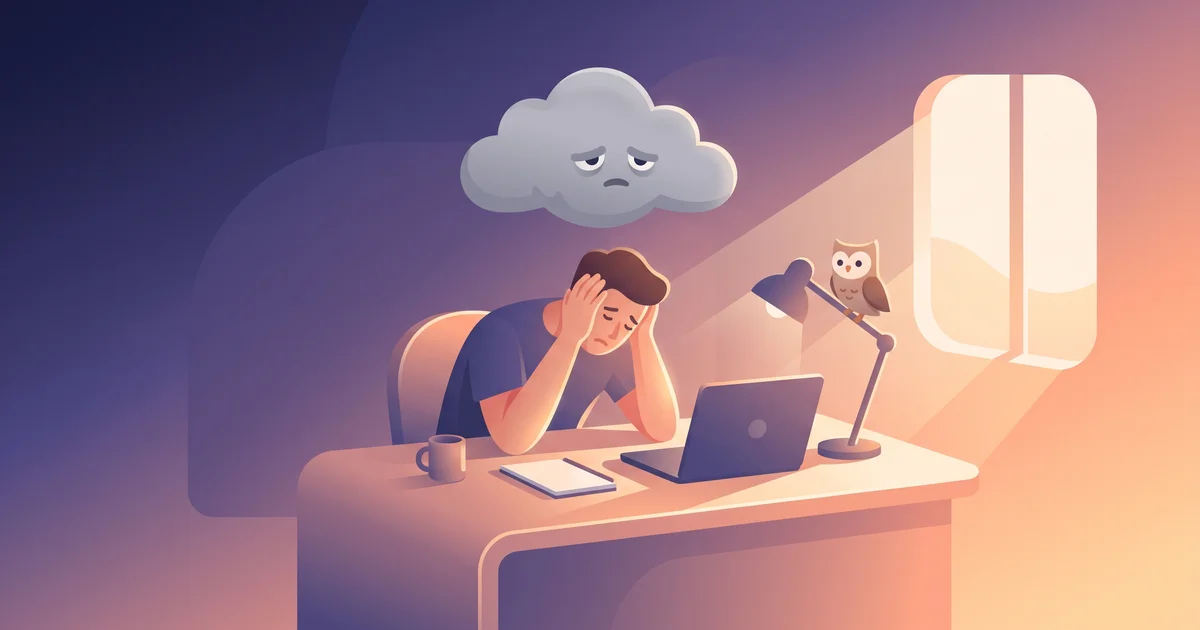
"I sleep enough and I'm still exhausted" is one of the most common — and most frustrating — health complaints there is. If that's you, the problem might not be your sleep at all. Fatigue has a long list of possible causes beyond how many hours you spend in bed, from diet and hydration to stress, sedentary habits, and underlying medical conditions that deserve a proper look.
The short answer
Persistent tiredness despite adequate sleep can come from poor sleep quality (not just quantity), diet and hydration, chronic stress, a sedentary lifestyle, or underlying conditions like anemia, thyroid issues, or depression. If fatigue persists for more than a few weeks despite good sleep habits, or comes with other symptoms like unexplained weight change, mood changes, or weakness, it's worth seeing a doctor rather than continuing to self-manage it.
First: rule out sleep quality, not just quantity
Eight hours in bed doesn't guarantee eight hours of good sleep. If you're technically sleeping enough but waking up unrefreshed, the issue might be fragmented sleep, an undiagnosed sleep disorder, or a mismatch between your natural rhythm and your schedule. That's a distinct, narrower problem — see why you wake up tired after 8 hours if that's specifically your situation. This article is about the broader picture: everything that can cause fatigue even when sleep itself is genuinely fine.
Causes beyond sleep
Diet and blood sugar
Skipping meals, relying on refined carbs and sugar, or under-eating overall can cause blood sugar swings that leave you fatigued and foggy, independent of how well you slept. A diet low in iron, B12, or other key nutrients can also directly cause tiredness (see anemia below).
Dehydration
Even mild dehydration — before you'd call yourself "thirsty" — is a well-documented cause of fatigue, headaches and poor concentration. It's an easy thing to rule out before looking further.
Chronic stress
Ongoing stress keeps cortisol elevated, which can both disrupt sleep quality and directly produce a tired-but-wired feeling during the day. Stress-driven fatigue often doesn't respond to "just sleep more," because the sleep you are getting is lower quality.
A sedentary lifestyle
Counterintuitively, too little physical activity often causes more fatigue, not less. Regular movement improves sleep quality, mood, and daytime energy — inactivity can create a feedback loop where you feel too tired to exercise, which then makes you more tired. Exercise and sleep timing.
Alcohol and caffeine patterns
Alcohol fragments sleep even when it helps you fall asleep faster, and heavy caffeine use can mask fatigue during the day while worsening sleep quality at night, creating a cycle that feels like general tiredness rather than an obvious sleep problem. Alcohol and sleep, caffeine cutoff before bed.
Mental health
Depression and anxiety are strongly linked with persistent fatigue — sometimes as the primary symptom, even before mood changes are obvious. Fatigue that comes with low motivation, loss of interest in things you used to enjoy, or persistent low mood is worth discussing with a doctor.
Medical conditions worth ruling out
A number of common, treatable conditions present primarily as fatigue:
- Anemia (often iron-deficiency) — one of the most common medical causes of tiredness, especially in women.
- Thyroid conditions (hypothyroidism in particular) — can cause fatigue, weight changes, and feeling cold.
- Sleep apnea — can cause daytime exhaustion even when total time in bed looks adequate, because sleep is repeatedly interrupted. See signs of sleep apnea.
- Chronic conditions like diabetes, or side effects from certain medications.
- Vitamin D or B12 deficiency.
None of these are self-diagnosable from a blog post — they require blood work and a proper evaluation, which is exactly why persistent unexplained fatigue is worth a doctor's visit rather than more googling.
OwlRoutine helps you wind down at night and actually get up in the morning — with a guided wind-down, dismiss missions, and sleep scores. Available on iPhone and Android.


A simple triage: when is it "probably lifestyle" vs. "see a doctor"?
| Sign | Likely lifestyle-related | Worth seeing a doctor |
|---|---|---|
| Fatigue improves with better sleep, hydration, and diet within a couple of weeks | Yes | — |
| Fatigue persists despite good sleep, diet, and hydration for several weeks | — | Yes |
| Comes with unexplained weight change | — | Yes |
| Comes with low mood, loss of interest, or hopelessness | — | Yes |
| Comes with unusual weakness, dizziness, or shortness of breath | — | Yes |
| You also snore loudly or gasp during sleep | — | Yes |
| Fatigue is mild and matches an obviously busy or stressful period | Yes | — |
What to try first
- Check hydration and meals — are you eating regularly and drinking enough water?
- Look at your actual sleep quality, not just hours logged — waking often, snoring, or feeling unrefreshed despite 8 hours are signals worth investigating further.
- Add regular movement, even just daily walks, and see if energy improves over a couple of weeks.
- Audit alcohol and caffeine, especially timing.
- Address stress directly — a wind-down routine that includes journaling or breathing can meaningfully reduce the tired-but-wired feeling. Journaling before bed.
- If none of this moves the needle within a few weeks, see a doctor. Persistent fatigue is one of the most common reasons for a GP visit, and it's genuinely worth ruling out the medical causes rather than assuming it's "just life."
The bottom line
Being tired all the time, even with what looks like enough sleep, usually isn't one single thing — it's diet, hydration, stress, activity level, and sometimes an underlying medical condition, layered on top of (or instead of) a sleep problem. Try the fixable lifestyle factors for a couple of weeks; if fatigue doesn't budge, or comes with other symptoms, get it checked out rather than pushing through.
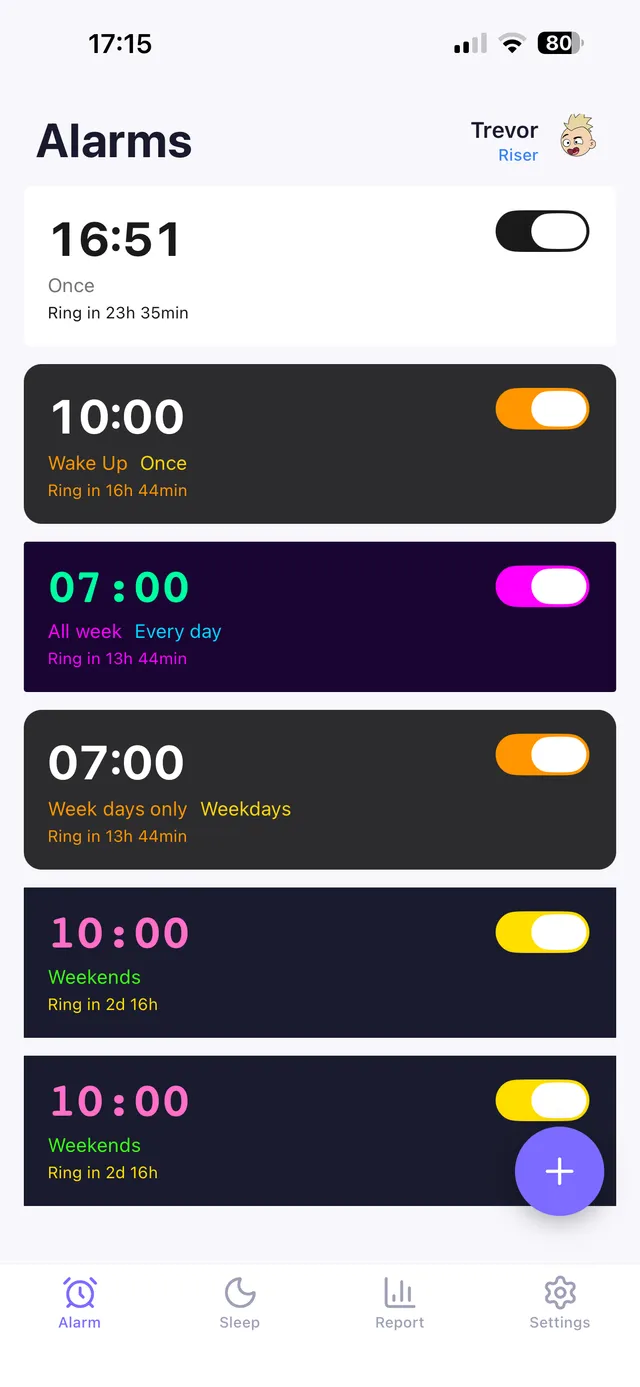
Since stress and inconsistent routines are common, fixable contributors to daytime fatigue, OwlRoutine's evening wind-down — breathing and journaling prompts — and its consistent, mission-based morning alarm are designed to tighten up the two ends of your day that are actually within your control, while leaving the medical questions to a doctor.
This article is general information, not medical advice. If fatigue is persistent or comes with other symptoms, see a doctor.
Frequently asked questions
Why am I tired all the time even though I sleep 8 hours?
Sleep duration isn't the only factor in fatigue. Diet, hydration, stress, a sedentary lifestyle, and underlying conditions like anemia, thyroid issues, or sleep apnea can all cause persistent tiredness even with adequate sleep time.
What medical conditions cause constant fatigue?
Common causes include anemia, thyroid conditions (especially hypothyroidism), sleep apnea, vitamin D or B12 deficiency, and depression. These require a doctor's evaluation and blood work to diagnose.
When should I see a doctor about tiredness?
If fatigue persists for several weeks despite good sleep, diet, and hydration, or comes with symptoms like unexplained weight change, low mood, weakness, or loud snoring with breathing pauses, it's time to see a doctor.
Can dehydration make me feel tired?
Yes, even mild dehydration is a well-documented cause of fatigue, headaches, and poor concentration, and it's one of the easiest causes to rule out first.
Wake up for real. Wind down for good.
OwlRoutine is a sleep-cycle alarm that makes mornings actually stick — with a guided wind-down, dismiss missions, sleep scores and rewards. Available on iPhone and Android.