Mouth Taping for Sleep: Does It Work, and Is It Safe? What the Evidence Says

Mouth taping — putting a strip of tape over your lips at night so you breathe through your nose — has become one of the signature moves of the sleepmaxxing trend. Fans credit it with deeper sleep, less snoring, fresher breath and better energy. But when researchers look at the evidence, the picture is much less exciting, and there are real risks for some people.
The short answer
There is little high-quality evidence that mouth taping improves sleep in healthy people, and it is not a treatment for sleep apnea. A 2025 systematic review found benefits in only a small minority of studies, most of them small, and highlighted potential risks — especially for people with nasal obstruction or undiagnosed sleep apnea. If you snore or breathe through your mouth at night, see a doctor to find out why rather than taping it shut.
Why people try mouth taping
The idea isn't unreasonable. Nasal breathing is generally the body's preferred route: the nose filters, warms and humidifies air. Mouth breathing at night is associated with dry mouth, snoring and, in some people, sleep-disordered breathing. Taping is meant to "train" nasal breathing.
The claims online usually include:
- Deeper, more restful sleep.
- Less snoring.
- Less dry mouth and bad breath.
- Better energy and focus.
What the research says
| Question | What evidence shows |
|---|---|
| Does taping improve sleep quality in healthy people? | Very little good-quality evidence |
| Does it treat obstructive sleep apnea? | No reliable evidence; not a recommended treatment |
| Can it reduce snoring? | Some small studies suggest reductions in mild cases; evidence is weak |
| Is it risk-free? | No — potential risks with nasal obstruction or undiagnosed apnea |
A 2025 systematic review published in PLOS One examined 10 studies with a total of 213 participants. Only two showed statistically significant improvements in measures such as the apnea-hypopnea index or oxygen levels; the rest found no meaningful benefit. Most studies were small and short, and many excluded people with nasal obstruction — who are exactly the people most likely to mouth-breathe. The authors flagged potential risks, including the danger of taping the mouth when the nose is blocked.
The risks
- Blocked nose + taped mouth. If you have a cold, allergies, a deviated septum or nasal polyps, taping can restrict your breathing.
- Masking sleep apnea. Loud snoring and mouth breathing can be signs of obstructive sleep apnea, a serious condition linked to heart and metabolic problems. Taping may hide the symptom while leaving the cause untreated.
- Skin irritation from adhesive.
- Anxiety. For some people, the sensation of a taped mouth makes it harder to relax and fall asleep.
Who should not try mouth taping
- Anyone with a blocked or congested nose.
- Anyone who snores loudly, gasps or chokes at night, or feels very sleepy during the day.
- People with known or suspected sleep apnea.
- Anyone who has been drinking alcohol or taking sedating medication.
- Children.
If you're unsure, talk to a doctor first.
OwlRoutine helps you wind down at night and actually get up in the morning — with a guided wind-down, dismiss missions, and sleep scores. Available on iPhone and Android.


What to do instead
If you snore
Get assessed. A doctor can check for sleep apnea, nasal problems or other causes. Effective, evidence-based options exist, from CPAP and oral appliances to treating nasal congestion and changes such as sleeping on your side.
If you wake with a dry mouth
Check for nasal congestion, allergies or a dry bedroom. Treating a blocked nose and keeping the room comfortably humid can help. Also consider alcohol, which relaxes airway muscles.
If you want deeper, better sleep
Focus on the fundamentals that have strong evidence:
- A consistent wake time, seven days a week — here's why.
- A cool, dark, quiet bedroom.
- Morning daylight and dim evenings.
- No caffeine in the afternoon and limiting alcohol — the 10-3-2-1-0 rule covers both.
- A wind-down routine without your phone. How to build one.
The bigger lesson from mouth taping
Mouth taping is a good example of how sleep trends work: a plausible idea, some enthusiastic testimonials, very little solid evidence, and a product that's easy to sell. The unglamorous basics — timing, light, environment and routine — still do far more for sleep than any hack.
The bottom line
The evidence for mouth taping is thin, it doesn't treat sleep apnea, and it carries real risks for people with blocked noses or undiagnosed breathing problems. If you snore or mouth-breathe at night, get checked. If you just want better sleep, start with the fundamentals.
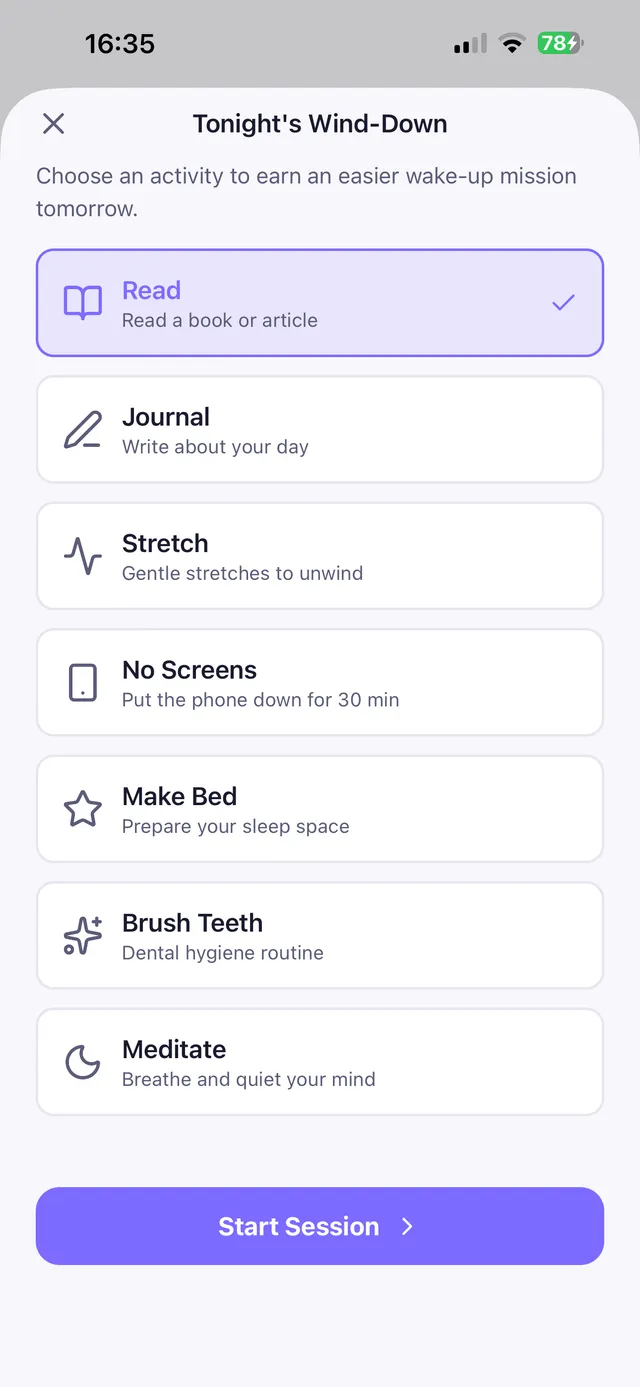
That's what OwlRoutine focuses on: a guided wind-down to build a calm, phone-free evening, bedtime reminders, and a consistent mission alarm to anchor your wake time — the habits with the strongest evidence behind them.
This article is general information, not medical advice. Speak to a doctor before trying mouth taping, and see one if you snore loudly or feel very sleepy during the day.
Frequently asked questions
Does mouth taping work?
There's little high-quality evidence that mouth taping improves sleep in healthy people. A 2025 systematic review found meaningful benefits in only a small minority of mostly small studies.
Is mouth taping safe?
Not for everyone. It can be risky if your nose is blocked or you have undiagnosed sleep apnea, and it can irritate skin. Talk to a doctor before trying it.
Does mouth taping help with sleep apnea?
No. Mouth taping is not a treatment for sleep apnea. Evidence-based treatments include CPAP, oral appliances and other options from a sleep specialist.
What should I do if I snore or breathe through my mouth at night?
See a doctor to find out why. Snoring and mouth breathing can be caused by nasal problems or sleep apnea, which need proper assessment.
Wake up for real. Wind down for good.
OwlRoutine is a sleep-cycle alarm that makes mornings actually stick — with a guided wind-down, dismiss missions, sleep scores and rewards. Available on iPhone and Android.