How to Get Over Jet Lag Fast: A Practical Plan for Flying East or West

You land somewhere exciting, and your body insists it's 3am. Jet lag — the grogginess, poor sleep, low energy and upset stomach that follow crossing time zones — can take the shine off a trip or wreck the first days back home. The good news: with smart timing of light and sleep, you can adjust noticeably faster.
The short answer
To get over jet lag faster: switch to the destination's schedule as soon as possible, use light at the right times (morning light when flying east, evening light when flying west), keep naps short, stay hydrated, limit alcohol and caffeine late in the day, and fix your wake time on the new clock. Your body typically adjusts by roughly one time zone per day, often slower when flying east.
Why jet lag happens
Your circadian rhythm runs on roughly 24 hours and is kept in sync mainly by light. When you cross several time zones quickly, the local clock changes instantly, but your body clock doesn't. For a few days, it tells you to sleep, eat and be alert at the wrong times.
Symptoms can include:
- Trouble falling asleep or waking very early.
- Daytime sleepiness and low concentration.
- Irritability and low mood.
- Digestive problems.
Why flying east is harder
Most people's natural body clock runs slightly longer than 24 hours, so it's easier to stay up later (a delay) than to go to sleep earlier (an advance).
| Direction | Clock needs to… | Feels like | Typically |
|---|---|---|---|
| Westward (e.g. Europe → US) | Delay (go later) | A long day | Easier |
| Eastward (e.g. US → Europe) | Advance (go earlier) | Losing a night | Harder |
A before, during and after plan
Before you fly
- Shift gradually if you can: for eastward trips, go to bed and wake up 30–60 minutes earlier each day for a few days; for westward trips, later.
- Arrive rested. Don't start the trip already in sleep debt.
- Plan your first day around the local schedule.
On the flight
- Set your watch or phone to destination time when you board.
- Sleep if it's night at your destination; stay awake if it's day. Use an eye mask and earplugs.
- Stay hydrated and go easy on alcohol, which fragments sleep.
- Limit caffeine in the hours before your target sleep time.
OwlRoutine helps you wind down at night and actually get up in the morning — with a guided wind-down, dismiss missions, and sleep scores. Available on iPhone and Android.


After you land
1. Live on local time immediately
Eat, sleep and wake on the new schedule from day one, even if you don't feel like it.
2. Use light strategically
Light is the main tool for shifting your body clock:
- Flying east: get bright morning light at your destination, and avoid bright light in the late evening.
- Flying west: get light in the late afternoon and evening, and avoid very early morning light for the first day or two.
For large time differences (8+ hours), the ideal timing is more complex, and some people use online jet lag planners. Why morning light matters.
3. Keep naps short
If you're exhausted, a 20-minute nap in the early afternoon is fine. Long naps delay adjustment. How long should a nap be?
4. Anchor your wake time
Set an alarm for a normal local wake time and get up — even after a bad night. It's the fastest way to lock in the new schedule.
5. Wind down at local bedtime
Dim lights, put the phone away and follow your usual wind-down routine so your brain gets familiar cues in an unfamiliar place.
What about melatonin?
Melatonin is widely used for jet lag and has been studied for it, particularly for eastward travel. Timing matters, and it isn't suitable for everyone. Talk to a doctor or pharmacist before using it, especially if you take other medication, are pregnant or have health conditions. This article doesn't give dosing advice.
Coming home
Jet lag on the way back is just as real — and often hits harder because you're straight back into work. Use the same approach: local time immediately, light at the right times, a fixed wake time and a proper wind-down. The first Monday back is a lot like social jet lag, only bigger.
The bottom line
Jet lag is your body clock lagging behind the clock on the wall. You can speed up adjustment by switching to local time immediately, using light at the right times of day, keeping naps short, going easy on alcohol and caffeine, and anchoring your wake time. Flying east usually takes longer — plan for it.
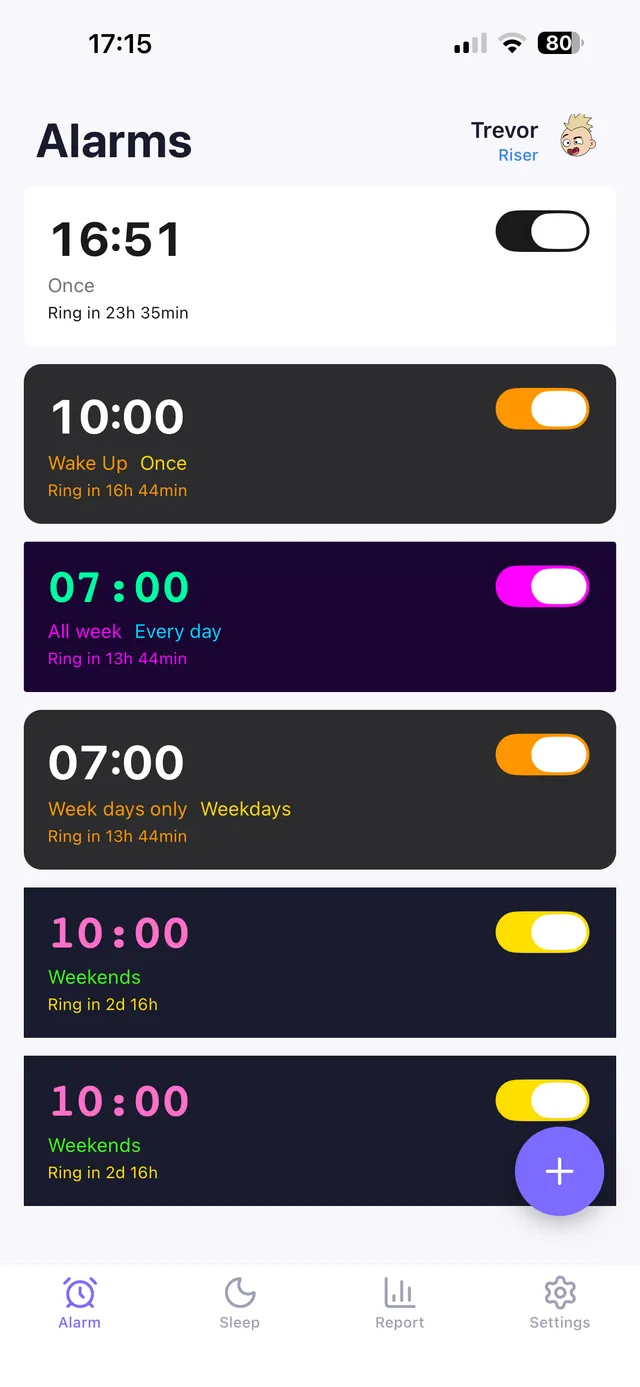
OwlRoutine travels with you: your alarms follow your phone's local time, the mission makes sure you actually get up on the new schedule, and the guided wind-down gives you a familiar routine at bedtime wherever you land.
This article is general information, not medical advice.
Frequently asked questions
How long does jet lag last?
A common rule of thumb is about one day per time zone crossed, often longer when flying east. Using light and sleep timing well can speed it up.
Why is jet lag worse flying east?
Flying east requires your body clock to shift earlier, which is harder than shifting later, because most people's natural rhythm runs slightly longer than 24 hours.
How can I get over jet lag fast?
Switch to local time immediately, get light at the right times (morning when flying east, evening when flying west), keep naps short, limit alcohol and late caffeine, and keep a fixed wake time.
Does melatonin help with jet lag?
Melatonin has been studied for jet lag and many people use it, but timing matters and it isn't right for everyone. Talk to a doctor or pharmacist before taking it.
Wake up for real. Wind down for good.
OwlRoutine is a sleep-cycle alarm that makes mornings actually stick — with a guided wind-down, dismiss missions, sleep scores and rewards. Available on iPhone and Android.