Why Do I Get So Sleepy in the Afternoon? The Real Causes of the Afternoon Slump
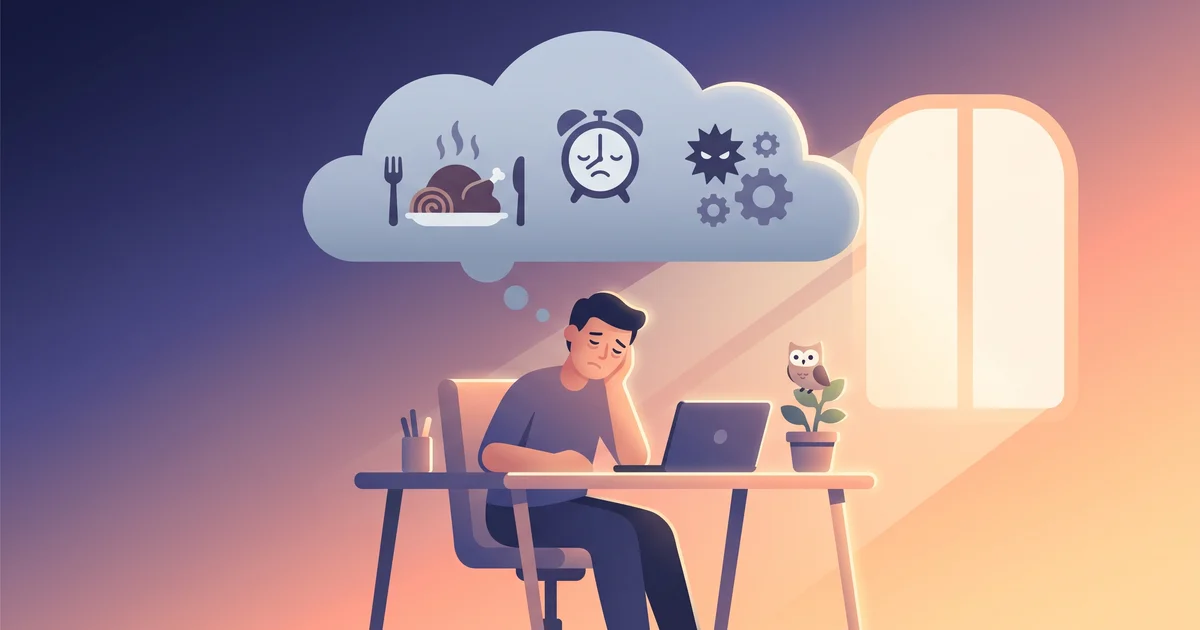
Somewhere around 2 or 3pm, your eyelids get heavy, your focus dissolves, and a third coffee starts sounding reasonable. The afternoon slump is nearly universal, and it's not just about lunch — it's a mix of circadian biology, blood sugar swings, and how well (or badly) you slept the night before. Understanding which one is driving yours makes it much easier to fix.
The short answer
The afternoon slump is caused by a combination of a natural circadian dip in alertness roughly 7-9 hours after waking, a post-meal blood sugar swing if lunch was heavy in refined carbs, and any existing sleep debt from the night before, which makes the dip hit harder. The most effective fixes are a short nap or bright light and movement, not more caffeine, which mostly masks the problem and can wreck your sleep tonight.
The circadian dip: it's not just about lunch
Your alertness runs on a roughly 24-hour circadian rhythm, and that rhythm has a built-in dip in the early-to-mid afternoon — typically around 7-9 hours after you wake up. This happens whether or not you've eaten, which is why the slump still hits people who skip lunch entirely. It's a genuine biological low point, not a character flaw or a willpower failure.
This is a smaller cousin of the deep overnight low your body hits around 2-4am. For the full picture of how alertness and sleep pressure interact across the day, see sleep cycles explained.
The post-lunch blood sugar dip
Layered on top of the circadian dip is a metabolic one. A large meal — especially one heavy in refined carbohydrates and sugar — causes a spike in blood glucose followed by a rebound dip as insulin brings levels back down. That dip can produce genuine sleepiness, brain fog and irritability, arriving right around the same window as the circadian low and making the combined effect feel much worse than either alone.
Sleep debt makes everything worse
If you didn't sleep enough the night before, the afternoon dip isn't subtle — it's often when accumulated sleep debt cashes in hardest, because your body's alertness-boosting mechanisms (like rising "wake drive" through the day) are already running on empty by early afternoon. See sleep debt for how this builds up and what it takes to pay it back.
What's actually causing your slump — a quick self-check
| If this describes you… | Likely main driver |
|---|---|
| Slump hits even on days you skip lunch | Circadian dip |
| Slump is worse after a big, carb-heavy meal | Blood sugar swing |
| Slump is worse after a bad night's sleep | Sleep debt |
| Slump happens every single day regardless of food or sleep quality | Combination — probably all three |
| Slump comes with actual falling-asleep-at-your-desk sleepiness, most days | Worth ruling out a sleep disorder |
What actually helps
A short nap
A 10-20 minute nap is one of the most effective fixes for the circadian dip specifically. Keep it short to avoid grogginess and to protect your ability to fall asleep at night. How long should a nap be covers the details.
Light and movement
A short walk outside, ideally in daylight, counters the dip better than most people expect — light exposure and light physical activity both push back against the circadian low. Even a few minutes at a window helps if you can't get outside.
Lunch composition, not just size
A lunch with protein, fiber and less refined sugar produces a gentler blood sugar curve than a large plate of pasta or a sugary drink. You don't need to overhaul your diet — just notice whether your heaviest, most carb-dense meals line up with your worst slumps.
Hydration
Mild dehydration alone can cause fatigue and poor concentration that mimics the afternoon slump. It's a boring answer, but worth ruling out before anything else.
OwlRoutine helps you wind down at night and actually get up in the morning — with a guided wind-down, dismiss missions, and sleep scores. Available on iPhone and Android.


Strategic caffeine, not reflexive caffeine
If you use caffeine, the timing matters more than the amount. A coffee right at the start of the slump can help, but caffeine late in the afternoon routinely disrupts sleep that night — which sets you up for an even worse slump tomorrow. Caffeine cutoff before bed.
Fix the actual sleep debt
If your slump is severe most days, the highest-leverage fix isn't anything you do at 3pm — it's getting a full, consistent night's sleep so you're not starting the day already behind.
When it's more than a normal slump
An afternoon dip is normal. Falling asleep involuntarily at your desk, needing multiple naps a day just to function, or feeling exhausted no matter how much you sleep are different — those are worth mentioning to a doctor rather than managing with coffee and willpower. See why am I always tired for the broader fatigue picture, including when it's time to get checked out.
The bottom line
The afternoon slump is real biology, not laziness — a circadian alertness dip, a post-meal blood sugar swing, and any leftover sleep debt from the night before all stack together in the early-to-mid afternoon. A short nap, light and movement, and a lighter lunch tend to help more than another coffee, which mostly borrows energy from tonight's sleep.
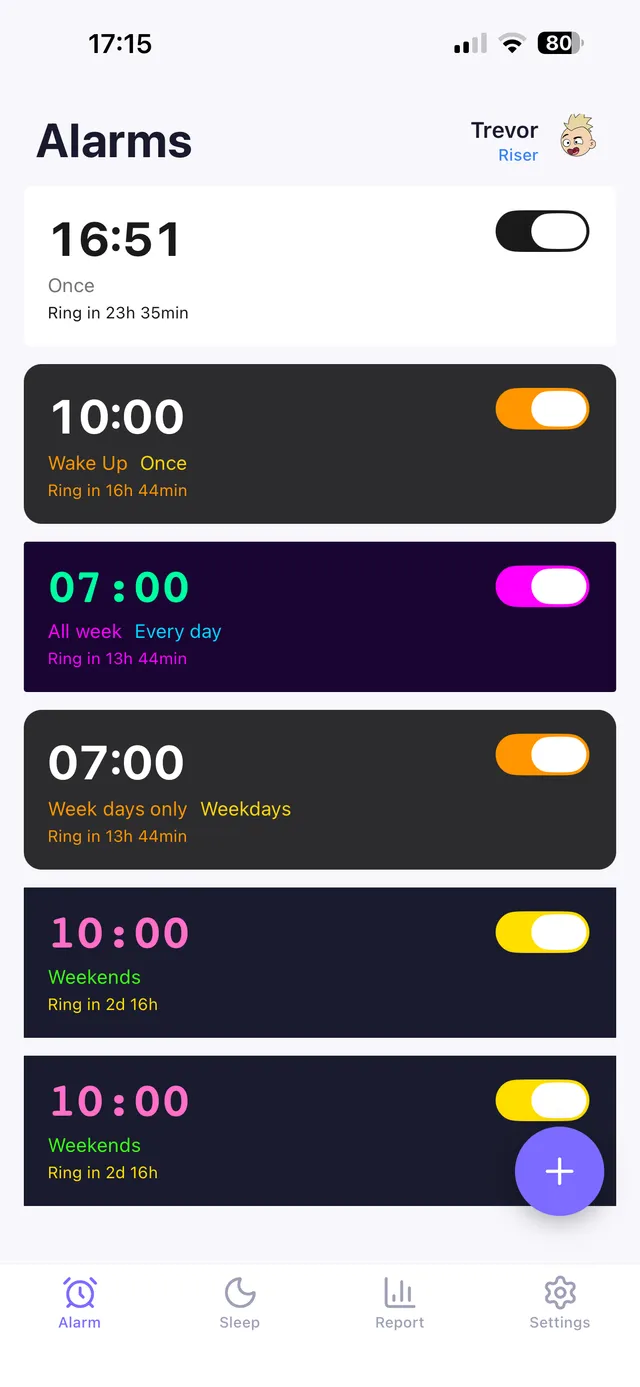
Since sleep debt is one of the biggest amplifiers of the afternoon slump, OwlRoutine's wind-down routine and mission alarm work together to help you actually get a full night consistently, so the 3pm crash is a mild dip instead of a wall.
This article is general information, not medical advice.
Frequently asked questions
Why do I get so sleepy in the afternoon?
A natural circadian dip in alertness roughly 7-9 hours after waking, a post-meal blood sugar swing, and any accumulated sleep debt from the night before all combine to cause the afternoon slump.
Does the afternoon slump happen even if I skip lunch?
Yes, because part of it is a circadian dip in alertness that occurs regardless of eating. Lunch composition can make the slump worse, but it isn't the only cause.
What's the best way to fix an afternoon energy crash?
A short 10-20 minute nap, a walk in daylight, and a lighter, less carb-heavy lunch tend to help more than caffeine, which can disrupt your sleep that night and worsen the cycle.
When is the afternoon slump a sign of something more serious?
If you're falling asleep involuntarily during the day, need multiple naps just to function, or feel exhausted regardless of how much you sleep, it's worth discussing with a doctor rather than treating it as a normal slump.
Wake up for real. Wind down for good.
OwlRoutine is a sleep-cycle alarm that makes mornings actually stick — with a guided wind-down, dismiss missions, sleep scores and rewards. Available on iPhone and Android.