Why Is It So Hard to Wake Up in Winter? The Science (and 8 Fixes for Dark Mornings)
Every autumn it happens: the alarm goes off, the room is pitch black, the air outside the duvet is cold, and getting up feels ten times harder than it did in June. If you've wondered why it's so hard to wake up in winter, the answer isn't laziness — your body is responding to real signals. The good news is you can counter most of them.
The short answer
It's harder to wake up in winter mainly because mornings are dark. Light is your body clock's strongest "day has started" signal; without it, melatonin lingers, your circadian rhythm drifts later and you feel groggy. Cold bedrooms make leaving bed less appealing, and less daylight overall can affect mood and energy. The fixes: bright light as soon as you wake, a consistent wake time, a warm room to get up into, and daylight during the day.
What winter does to your body clock
Darkness keeps melatonin up
Melatonin, the hormone that signals night to your body, is suppressed by light. On a summer morning, daylight through the curtains starts that process before your alarm. On a winter morning, there's nothing — so you wake into a body still chemically set for night. That shows up as heavier sleep inertia: the foggy, heavy first 15–30 minutes.
Your rhythm drifts later
Morning light pulls your circadian rhythm earlier each day. With little of it, many people's rhythm drifts later through the winter: you feel sleepy later at night and groggier in the morning. It's a mild version of the jet lag you'd get flying west.
Less daylight overall
Shorter days mean less bright light across the whole day, especially if you commute in the dark and work indoors. For some people this contributes to low energy and low mood; for a smaller number it becomes seasonal affective disorder (SAD).
The clocks change
When daylight saving time ends — on 25 October 2026 in the UK and Europe and 1 November 2026 in the US — mornings get brighter briefly, but evenings get dark suddenly, and a few weeks later the mornings are dark again. How to adjust when the clocks go back.
It's cold out there
A warm bed and a cold room is a powerful combination. There's no deep science needed to explain why you don't want to get out.
Summer vs winter mornings
| Factor | Summer | Winter |
|---|---|---|
| Light at wake-up | Often daylight | Often dark |
| Melatonin at alarm time | Falling | Still elevated |
| Body clock drift | Pulled earlier | Tends to drift later |
| Room temperature | Comfortable | Cold |
| Daytime light exposure | High | Low |
OwlRoutine helps you wind down at night and actually get up in the morning — with a guided wind-down, dismiss missions, and sleep scores. Available on iPhone and Android.


8 fixes for dark winter mornings
1. Turn on bright light immediately
The first thing after your alarm: lights on — the brightest ones you have. Overhead lights, not a bedside lamp. It won't match daylight, but it helps suppress melatonin and cut grogginess.
2. Consider a sunrise alarm or light box
A sunrise (dawn simulation) alarm gradually brightens before your wake time, mimicking a summer morning. A bright light box used for 20–30 minutes in the morning is another option, often used for SAD. If you have eye conditions or bipolar disorder, check with a doctor before using a light box.
3. Get outdoor light as early as you can
Even an overcast winter sky is far brighter than indoor lighting. A 10–20 minute walk in the morning, or at lunchtime if mornings are too dark, makes a real difference to energy and your body clock.
4. Keep your wake time consistent
It's tempting to sleep in on dark weekend mornings, but that pushes your rhythm even later and makes Monday worse. Keep your wake time within about an hour, seven days a week. Why consistency matters.
5. Make getting up warmer
Set your heating to come on 20–30 minutes before your alarm, or keep a dressing gown and slippers right by the bed. Remove the cold shock and half the resistance goes with it.
6. Don't let the alarm be negotiable
Dark mornings make snoozing feel extremely reasonable. Turn snooze off and use an alarm that requires a mission — a math problem, typing or a photo — so you're awake before you can talk yourself back under the duvet. Why snoozing makes it worse.
7. Protect your evenings
Darker evenings tempt you into longer sofa-and-screen sessions. Keep your bedtime consistent, dim lights in the last hour and follow a short wind-down routine so you're not starting the day in sleep debt.
8. Move early
A few minutes of movement — stretching, a short walk, a quick workout — raises body temperature and alertness faster than sitting with a coffee in the dark.
When it's more than winter grogginess
If through autumn and winter you notice persistent low mood, loss of interest, oversleeping, carbohydrate cravings or withdrawing from people, talk to a doctor. Seasonal affective disorder is common, and treatments including light therapy and talking therapies are effective.
The bottom line
Waking up in winter is harder because dark mornings keep your body in night mode, your rhythm drifts later and your bedroom is cold. Fight back with bright light straight away, daylight during the day, a warm room to get up into, a consistent wake time and an alarm you can't snooze your way out of.
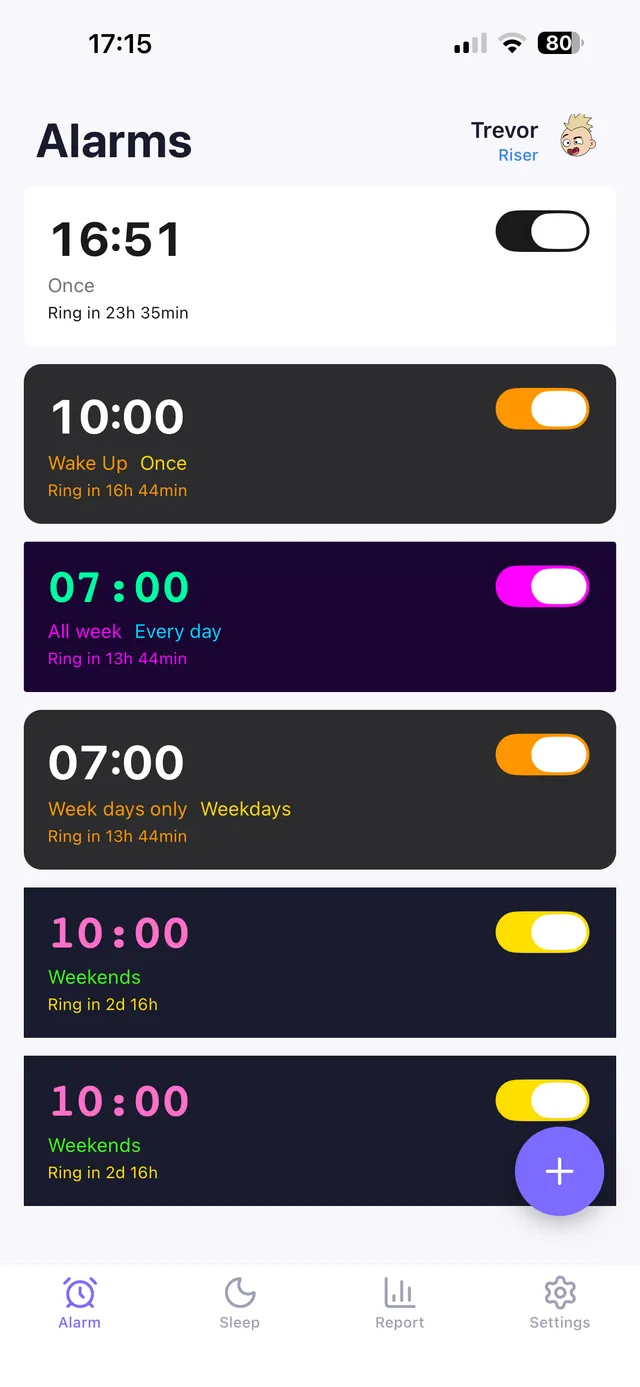
OwlRoutine can help you hold the line through winter: a mission alarm that rings even on silent (via AlarmKit on iOS 26+), morning suggestions like getting sunlight and moving, a guided wind-down for darker evenings, and a heatmap that shows whether your winter wake-ups are slipping.
This article is general information, not medical advice.
Frequently asked questions
Why is it harder to wake up in winter?
Mainly because mornings are dark. Without light, melatonin stays elevated, your body clock drifts later and grogginess lasts longer. Cold bedrooms and less daytime light add to it.
How can I wake up easier when it's dark outside?
Turn on bright lights immediately, consider a sunrise alarm, get outdoor light early, keep a consistent wake time, warm the room before your alarm and turn off snooze.
Do sunrise alarm clocks help in winter?
Many people find them helpful because they gradually brighten the room before your alarm, mimicking a natural sunrise.
Is feeling tired in winter a sign of SAD?
Not necessarily. Mild winter tiredness is common. If you have persistent low mood, loss of interest, oversleeping or appetite changes, talk to a doctor about seasonal affective disorder.
Wake up for real. Wind down for good.
OwlRoutine is a sleep-cycle alarm that makes mornings actually stick — with a guided wind-down, dismiss missions, sleep scores and rewards. Available on iPhone and Android.