What Is Insomnia? Symptoms, Causes and When to Get Help
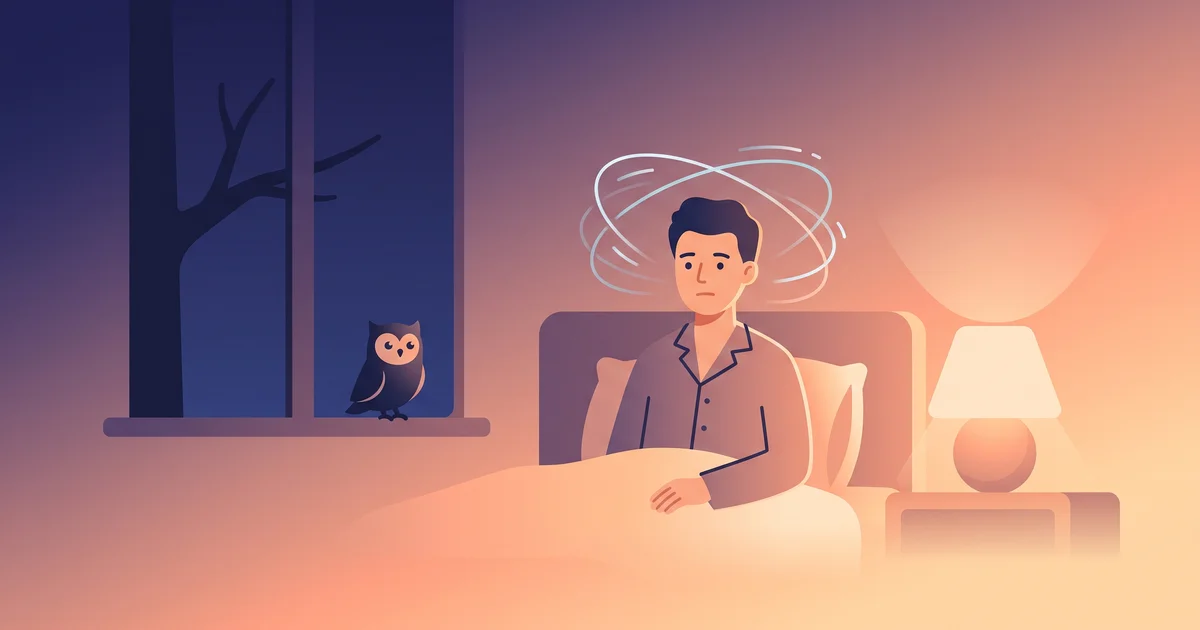
Everyone has a rough night now and then. Insomnia is different — it's a persistent pattern of trouble sleeping that leaves you tired, foggy or irritable during the day, even when you technically had the chance to sleep. It's one of the most common sleep complaints, and it's also one of the most misunderstood: most people picture "can't fall asleep," but insomnia covers a wider set of problems and has a clear clinical definition.
The short answer
Insomnia is difficulty falling asleep, staying asleep, or waking too early, despite having enough opportunity to sleep, combined with daytime impairment like fatigue, poor concentration or irritability. It's called acute when it lasts under three months (often tied to stress or a life change) and chronic when it happens at least three nights a week for three months or longer. Chronic insomnia usually responds best to CBT-I (cognitive behavioral therapy for insomnia), not just sleep hygiene tweaks — and it's worth discussing with a doctor if it's persistent.
The clinical definition, in plain language
Sleep specialists diagnose insomnia using criteria like those in the ICSD-3 (International Classification of Sleep Disorders) and DSM-5. Broadly, it requires:
- Trouble falling asleep, staying asleep, or waking earlier than you want.
- The sleep problem happens even though you have adequate time and a reasonable environment to sleep.
- It causes daytime consequences — fatigue, mood changes, poor concentration, low motivation, errors, or worry about sleep itself.
That last point matters. If you only sleep six hours because you're choosing to stay up late, that's not insomnia — that's a schedule choice. Insomnia is about not being able to sleep when you want and try to.
Acute vs. chronic insomnia
| Acute insomnia | Chronic insomnia | |
|---|---|---|
| Duration | Days to a few weeks (under 3 months) | 3+ nights a week for 3+ months |
| Common trigger | Stress, travel, illness, a big life event | Often starts as acute, then persists via habits and anxiety about sleep |
| Typical fix | Usually resolves on its own as the trigger passes | Needs a structured approach like CBT-I |
| Who gets it | Almost everyone, at some point | Roughly 10–15% of adults at any given time |
Acute insomnia is extremely common and usually not something to worry about — it's your brain reacting to a stressful week or an unfamiliar bed. Chronic insomnia is a distinct problem that tends to stick around because of secondary habits: watching the clock, worrying in bed, napping to compensate, or spending more time in bed "trying" to sleep, which paradoxically makes sleep less likely.
What causes insomnia
Insomnia rarely has one single cause. Common contributors include:
- Stress and anxiety — racing thoughts, worry about work, health or relationships.
- Poor sleep habits — irregular bedtimes, screens in bed, caffeine late in the day. See signs of poor sleep hygiene if you suspect this is you.
- Mental health conditions — depression and anxiety disorders are strongly linked with insomnia, in both directions.
- Medical conditions — chronic pain, reflux, thyroid issues, menopause, and sleep apnea can all disrupt sleep.
- Medications and substances — some antidepressants, stimulants, alcohol and caffeine.
- Circadian misalignment — being a natural night owl forced onto an early schedule, jet lag, or shift work.
- Conditioned arousal — after enough bad nights, the bed and bedroom themselves become associated with frustration, which keeps the cycle going.
Insomnia vs. sleep deprivation
These get confused constantly. Sleep deprivation is simply not getting enough sleep — often because of choice or circumstance (a newborn, a demanding job, staying up for a show). Insomnia is the inability to sleep even when you have the opportunity. You can be sleep deprived without having insomnia, and you can have insomnia while technically spending eight hours in bed. For a closer look at that distinction, see insomnia vs. sleep deprivation.
OwlRoutine helps you wind down at night and actually get up in the morning — with a guided wind-down, dismiss missions, and sleep scores. Available on iPhone and Android.


Signs it might be time to see a doctor
Consider talking to a doctor or sleep specialist if:
- Sleep problems happen 3+ nights a week for 3+ months.
- It's noticeably affecting your mood, work, relationships or safety (e.g., drowsy driving).
- You snore loudly, gasp, or stop breathing during sleep — possible signs of sleep apnea.
- You've tried consistent sleep hygiene and it hasn't helped.
- You're relying on alcohol or over-the-counter sleep aids most nights.
A doctor can rule out underlying medical or mental health causes and, for many people, refer them to CBT-I — currently considered the first-line treatment for chronic insomnia in most clinical guidelines, often more effective long-term than sleep medication alone. CBT-I typically includes stimulus control, sleep restriction therapy, and addressing the anxious thoughts around sleep.
What actually helps (and what usually doesn't)
Tends to help:
- A consistent wake time, even on weekends — this is often more powerful than a fixed bedtime.
- Getting out of bed if you're not sleeping after ~20 minutes, rather than lying there frustrated.
- Morning light exposure to anchor your circadian rhythm.
- Addressing the worry cycle directly — journaling before bed can help offload racing thoughts. See journaling before bed.
- A sleep hygiene checklist as a baseline, though hygiene alone rarely fixes chronic insomnia.
Tends not to help much on its own:
- "Trying harder" to fall asleep (it backfires — sleep isn't something you can force).
- Spending extra time in bed hoping to catch up.
- Relying long-term on sleep aids without addressing the underlying pattern.
The bottom line
Insomnia isn't just "a bad night" — it's a persistent pattern of trouble sleeping paired with real daytime consequences. Acute insomnia is common and usually self-resolving; chronic insomnia is a distinct condition that benefits from a structured approach like CBT-I rather than willpower. If it's been going on for months, it's worth bringing up with a doctor.
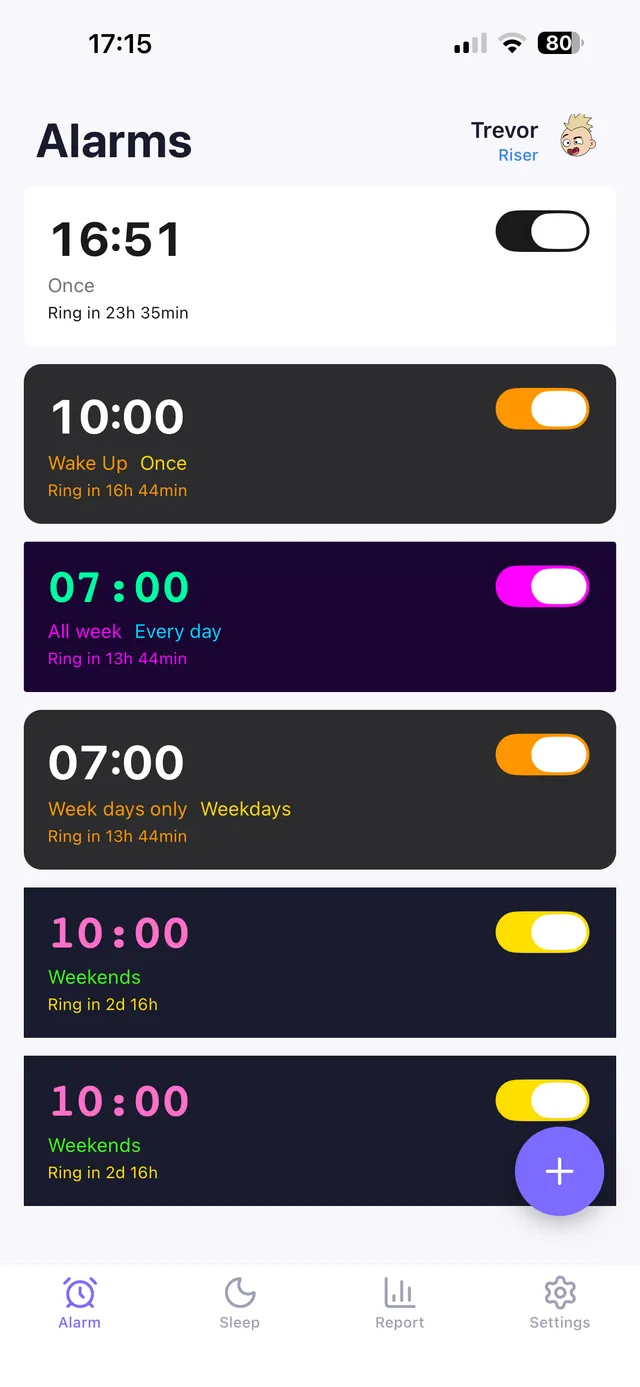
If racing thoughts or an irregular schedule are part of the picture, OwlRoutine's guided wind-down routine — breathing exercises and journaling prompts — is designed to help you unwind the mental noise that often keeps insomnia going, while a fixed, mission-based alarm helps anchor a consistent wake time, one of the most effective habits for resetting sleep.
This article is general information, not medical advice. If insomnia is persistent, talk to a doctor.
Frequently asked questions
What is insomnia, exactly?
Insomnia is persistent difficulty falling asleep, staying asleep, or waking too early, despite adequate opportunity to sleep, combined with daytime impairment like fatigue or poor concentration.
What's the difference between acute and chronic insomnia?
Acute insomnia lasts under three months and is usually tied to a specific stressor. Chronic insomnia happens at least three nights a week for three months or more and usually needs a structured treatment like CBT-I.
What is CBT-I?
Cognitive behavioral therapy for insomnia is a structured, evidence-based treatment that addresses the habits and thoughts that keep chronic insomnia going. It's considered a first-line treatment in most clinical guidelines.
When should I see a doctor about insomnia?
If sleep problems happen at least three nights a week for three months, affect your daily functioning, or come with snoring and breathing pauses, it's worth seeing a doctor.
Wake up for real. Wind down for good.
OwlRoutine is a sleep-cycle alarm that makes mornings actually stick — with a guided wind-down, dismiss missions, sleep scores and rewards. Available on iPhone and Android.