8 Gentle Stretches Before Bed to Relax Your Body and Sleep Better (10-Minute Routine)
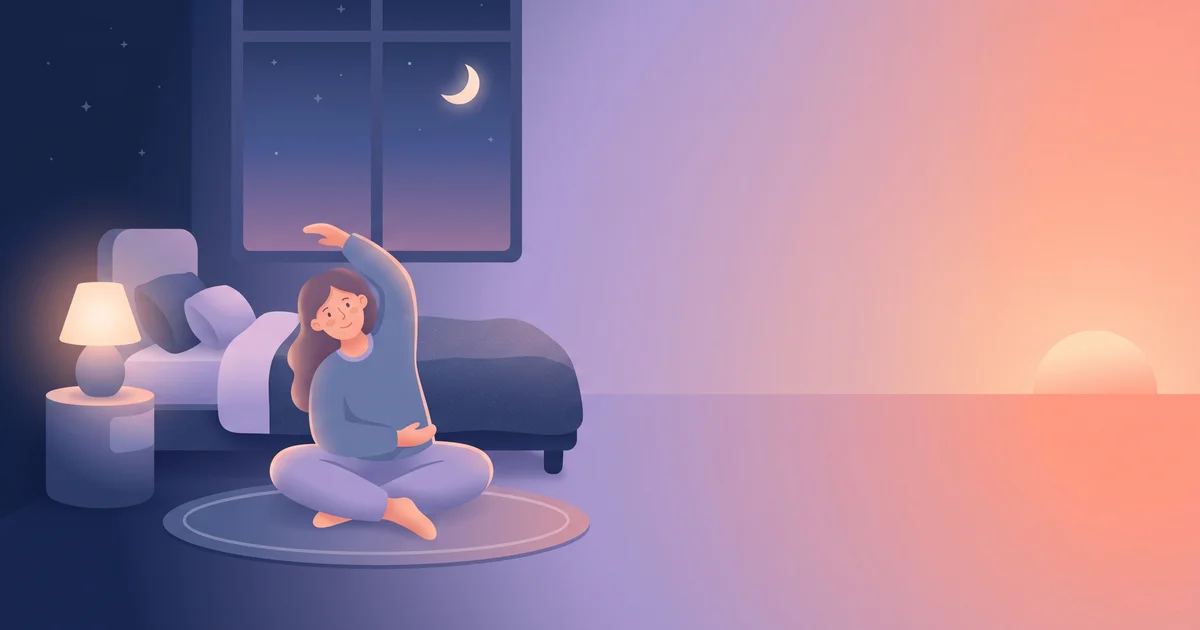
After a day of sitting, commuting and staring at screens, most of us carry tension into bed without noticing: tight hips, stiff necks, hunched shoulders. Stretches before bed are one of the easiest ways to let that go — and a short routine doubles as a calming signal that the day is over.
The short answer
A 5–10 minute routine of gentle, slow stretches before bed can reduce physical tension and help you wind down. Focus on relaxing positions — child's pose, legs up the wall, a gentle twist — held for 30–60 seconds with slow breathing. Keep it gentle: bedtime stretching is about relaxation, not flexibility gains.
Does stretching before bed help sleep?
There's some supportive evidence. Studies of gentle stretching and yoga-based programmes have reported improvements in self-rated sleep quality in several groups, including older adults and people with insomnia symptoms. The effect likely comes from several things at once: less muscle tension, slower breathing that calms the nervous system, and a predictable routine that cues sleep.
It's not a cure for insomnia, but it's low-risk, free and pairs well with other wind-down habits.
The 10-minute bedtime stretch routine
| # | Stretch | Target | Hold |
|---|---|---|---|
| 1 | Neck release | Neck, upper shoulders | 30 s each side |
| 2 | Seated shoulder rolls | Shoulders, upper back | 30 s |
| 3 | Cat–cow | Spine | 60 s (slow) |
| 4 | Child's pose | Back, hips, shoulders | 60 s |
| 5 | Seated forward fold | Hamstrings, lower back | 60 s |
| 6 | Figure-four (lying) | Hips, glutes | 45 s each side |
| 7 | Supine twist | Lower back, hips | 45 s each side |
| 8 | Legs up the wall | Legs, whole-body relaxation | 2–3 min |
1. Neck release
Sit tall. Let your right ear drop toward your right shoulder. Rest your hand lightly on your head without pulling. Breathe slowly. Switch sides.
2. Shoulder rolls
Roll your shoulders slowly up, back and down. Five times, then reverse. Let them drop away from your ears.
3. Cat–cow
On hands and knees, breathe in as you let your belly drop and lift your chest (cow), then breathe out as you round your back toward the ceiling (cat). Move slowly with your breath.
4. Child's pose
From hands and knees, sit your hips back toward your heels and rest your forehead on the bed or floor, arms forward or by your sides. Let your back relax. This is one of the most calming positions there is.
OwlRoutine helps you wind down at night and actually get up in the morning — with a guided wind-down, dismiss missions, and sleep scores. Available on iPhone and Android.


5. Seated forward fold
Sit with legs out in front. Hinge gently from the hips and reach toward your shins or feet. Bend your knees as much as you need; no forcing.
6. Figure-four stretch
Lie on your back, knees bent. Cross your right ankle over your left knee. Gently draw your left knee toward your chest until you feel a stretch in your right hip. Switch sides.
7. Supine twist
Lying on your back, draw your knees up and let them fall to one side while your shoulders stay on the floor. Look the other way if comfortable. Breathe. Switch sides.
8. Legs up the wall
Lie with your hips close to a wall (or the headboard) and your legs resting up it. Arms relaxed. Stay for two to three minutes with slow breathing. Many people find this the most relaxing part of the routine.
Tips for bedtime stretching
- Slow, easy, comfortable. Stretch to mild tension, never pain.
- Breathe out longer than you breathe in. It helps your body switch into rest mode.
- Dim the lights and put your phone away first. Why the phone matters.
- Do it at the same time every night so it becomes a cue.
- Stretch on the bed if getting on the floor feels like a chore — most of these work there.
- Skip intense workouts right before bed. Vigorous exercise late at night can be stimulating for some people; gentle stretching is ideal.
Who should be careful
If you have an injury, recent surgery, joint problems, are pregnant or have back or neck pain, check with a doctor or physiotherapist which stretches are right for you. Legs up the wall and inversions may not suit everyone, including some people with glaucoma or certain heart conditions.
Pair it with other wind-down habits
Stretching fits naturally into an evening routine with reading, journaling or a warm shower. If your mind is busy, finish with a body scan or the military sleep method once you're in bed.
The bottom line
A short, gentle stretching routine before bed can release the day's tension and give your brain a clear signal that it's time to sleep. Ten minutes, slow breathing, dim lights, no phone — that's all it takes.
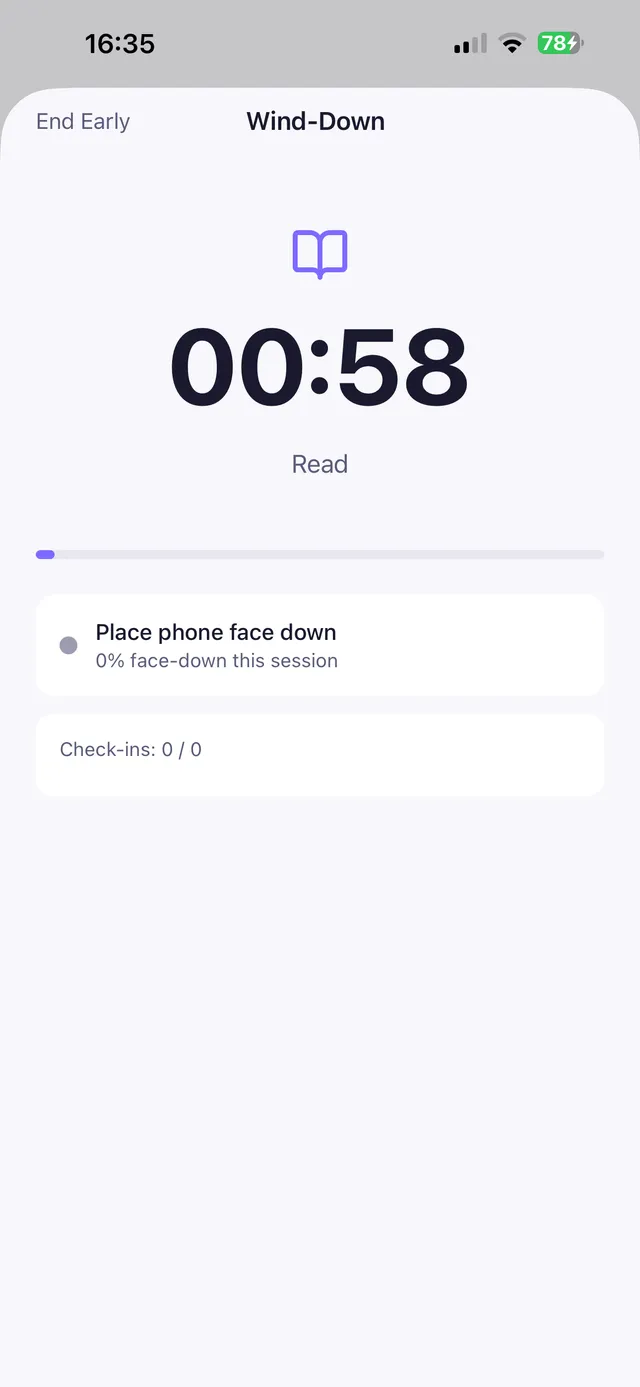
OwlRoutine includes Stretch as one of the activities in its guided wind-down session. Start the session, put your phone face-down (the app checks with the motion sensor), and move through your routine. Completing the wind-down earns you an easier mission on tomorrow's alarm.
This article is general information, not medical advice.
Frequently asked questions
Is stretching before bed good for sleep?
Gentle stretching can reduce physical tension and help you wind down. Studies of stretching and yoga-based programmes have reported improvements in self-rated sleep quality in several groups.
What are the best stretches before bed?
Gentle, relaxing stretches like neck releases, cat–cow, child's pose, a seated forward fold, figure-four, a supine twist and legs up the wall.
How long should I stretch before bed?
Five to ten minutes is plenty. Hold each stretch for 30–60 seconds with slow breathing.
Can I stretch in bed?
Yes. Many bedtime stretches, including the supine twist, figure-four and legs up the headboard, work well on the bed.
Wake up for real. Wind down for good.
OwlRoutine is a sleep-cycle alarm that makes mornings actually stick — with a guided wind-down, dismiss missions, sleep scores and rewards. Available on iPhone and Android.