Waking Up at 3am Every Night? Common Causes and How to Get Back to Sleep
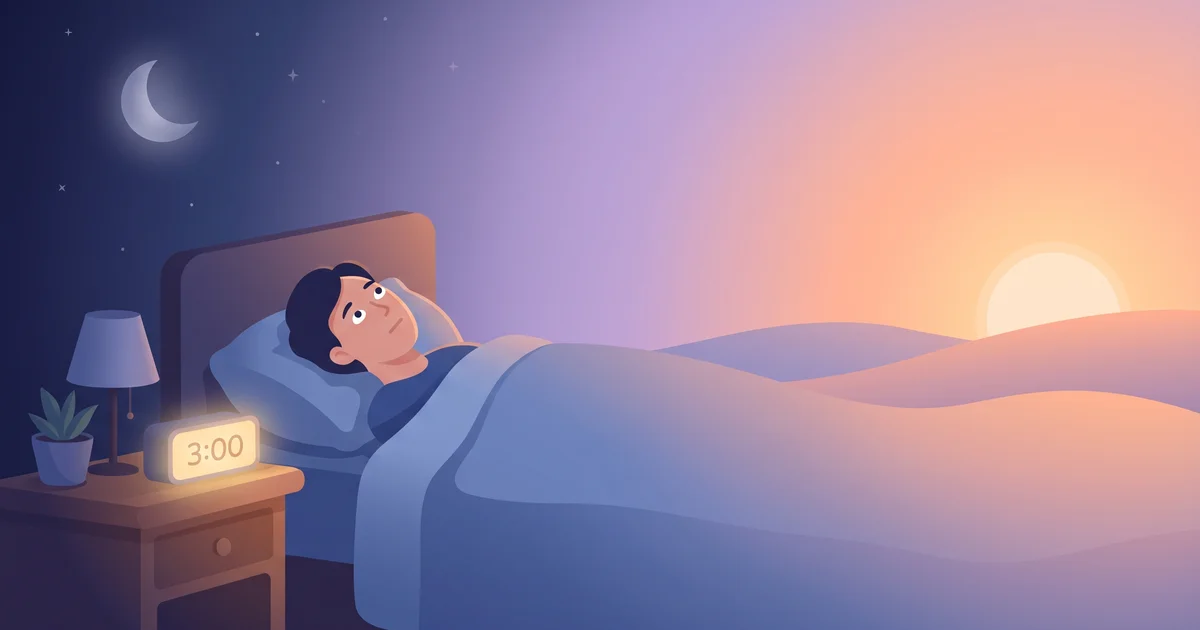
You fall asleep fine. Then, somewhere around 3am, your eyes open — and your brain immediately starts running through every worry you have. If waking up at 3am has become a pattern, you're far from alone. Middle-of-the-night waking is one of the most common sleep complaints, and it usually has identifiable, fixable causes.
The short answer
Brief awakenings during the night are normal — most people wake several times without remembering. Waking up at 3am becomes a problem when you're fully alert and can't get back to sleep. Common causes include alcohol, stress and worry, a warm or noisy room, needing the bathroom, an irregular schedule, and sleep disorders like sleep apnea. To get back to sleep: don't check the clock or phone, use a calming technique, and get up after about 20 minutes if you're still awake.
Why 3am?
There's nothing mystical about 3am specifically, but the second half of the night is when:
- Deep sleep has mostly been used up. After the first few cycles, sleep pressure is lower and your sleep is lighter, so you're easier to wake. How sleep cycles work.
- REM sleep increases. REM periods get longer toward morning, and people sometimes wake briefly at the end of them.
- Your body clock begins preparing for morning. Cortisol and body temperature start rising in the early hours.
Put together, 2–4am is a natural "weak point" where small disturbances are more likely to wake you — and where a worried mind is more likely to keep you up.
Common causes
| Cause | Clues | Fix |
|---|---|---|
| Alcohol | Wake after drinking, often hot or restless | Stop alcohol 3+ hours before bed, or cut back |
| Stress and worry | Mind immediately starts racing | Worry time, to-do list, relaxation |
| Too warm | Wake sweaty, kicked off covers | Cooler room, lighter bedding |
| Noise or light | Wake at a specific sound or early light | Earplugs, white noise, blackout curtains |
| Bathroom | Wake needing to urinate | Less fluid in the last 2 hours; see a doctor if frequent |
| Irregular schedule | Worse after late nights or lie-ins | Consistent sleep and wake times |
| Late caffeine | Lighter sleep overall | Earlier cutoff |
| Sleep apnea | Snoring, gasping, daytime sleepiness | See a doctor |
| Low mood or anxiety | Early waking with dread, low mood | Talk to a doctor |
Alcohol
Alcohol can help you fall asleep, but as your body metabolises it, sleep becomes lighter and more fragmented in the second half of the night. It's one of the most common reasons for 2–4am waking.
Stress and racing thoughts
Waking at 3am with your mind instantly busy is a classic stress pattern. The quiet and darkness give worries full attention. How to quiet racing thoughts at night.
Sleep apnea
Repeated pauses in breathing during sleep can wake you — often without you knowing why. Loud snoring, gasping, morning headaches and daytime sleepiness are warning signs. This needs medical assessment.
Early-morning waking and mood
Waking very early and being unable to get back to sleep can be a symptom of depression. If it comes with persistent low mood or loss of interest, please talk to a doctor.
OwlRoutine helps you wind down at night and actually get up in the morning — with a guided wind-down, dismiss missions, and sleep scores. Available on iPhone and Android.


What to do when you wake up at 3am
- Don't look at the clock. Seeing "3:12" triggers calculations and stress.
- Don't pick up your phone. Light and content wake you up further. What phones do to sleep.
- Breathe slowly — make your exhale longer than your inhale.
- Try a calming mental task like a body scan or the cognitive shuffle (picture random, unrelated objects). How to fall asleep fast.
- If you're still awake after about 20 minutes, get up. Sit somewhere dim, do something calm and boring, and go back to bed when sleepy.
- Keep a notebook by the bed. If a worry won't let go, write it down with one next step for the morning.
How to stop waking up at 3am (long term)
- Keep a consistent wake time, even after a bad night. Sleeping in reduces sleep pressure for the next night. Why consistency matters.
- Limit alcohol, especially in the evening.
- Cut caffeine by early afternoon. When to stop drinking coffee.
- Keep the room cool, dark and quiet.
- Wind down properly so you go to bed with less mental clutter. Journaling before bed is especially useful for 3am worriers.
- Avoid long daytime naps.
When to see a doctor
Talk to a doctor if:
- You wake and can't get back to sleep at least three nights a week for three months or more.
- You snore loudly, gasp or stop breathing during sleep, or feel very sleepy in the day.
- You wake needing to urinate several times a night.
- Early waking comes with low mood, anxiety or loss of interest.
CBT for insomnia is the recommended first-line treatment for chronic insomnia, including middle-of-the-night waking.
The bottom line
Waking briefly at night is normal; lying awake at 3am night after night isn't something you have to accept. Look at alcohol, stress, your room and your schedule first; in the moment, stay off the clock and phone, calm your body and get up if sleep isn't coming. See a doctor if it persists or you suspect sleep apnea or low mood.
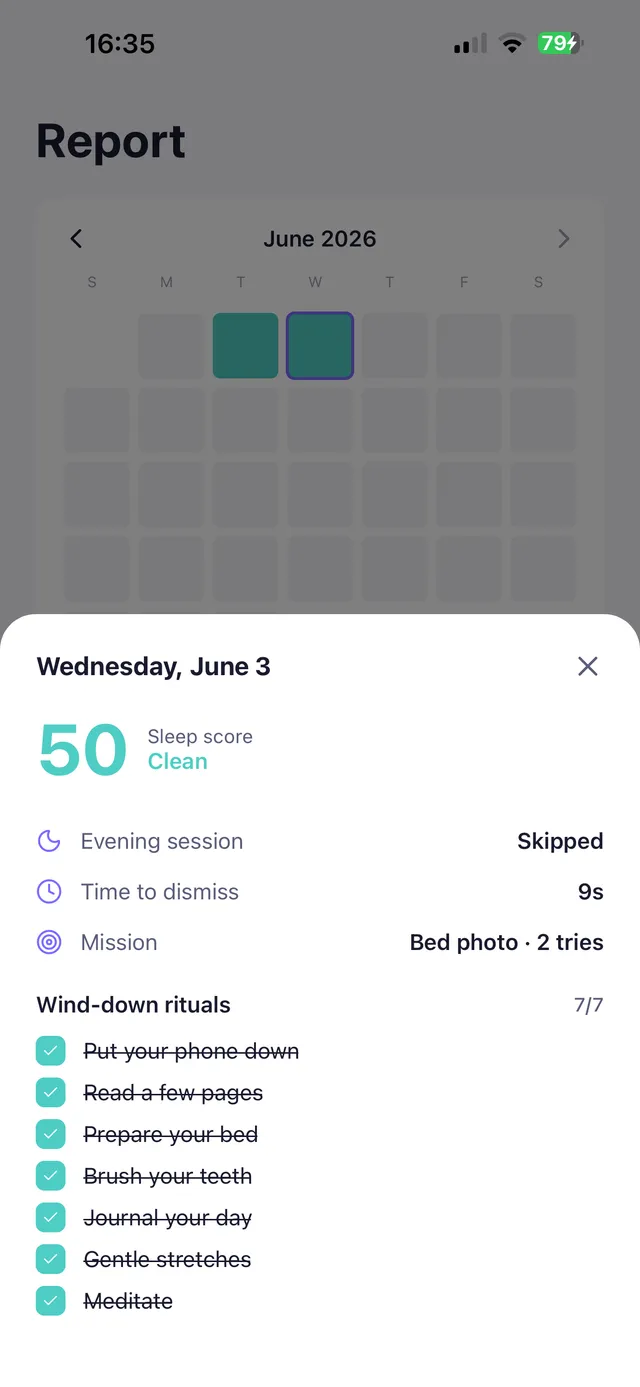
OwlRoutine helps with the daytime and evening habits that make 3am wake-ups less likely: a consistent alarm so your wake time holds even after a rough night, a guided wind-down with journaling and meditation to clear mental clutter before bed, and a heatmap so you can spot patterns over time.
This article is general information, not medical advice.
Frequently asked questions
Why do I wake up at 3am every night?
Sleep is lighter in the second half of the night, so disturbances like alcohol wearing off, stress, a warm room, noise, needing the bathroom or sleep apnea are more likely to wake you around then.
How do I get back to sleep after waking up at 3am?
Don't check the clock or your phone, breathe slowly, try a body scan or the cognitive shuffle, and if you're still awake after about 20 minutes, get up and do something calm until sleepy.
Is waking up at 3am a sign of something serious?
Usually not, but regular waking with snoring or gasping may indicate sleep apnea, and early waking with low mood can be a sign of depression. Talk to a doctor if it persists.
Can alcohol make me wake up in the middle of the night?
Yes. Alcohol may help you fall asleep but makes sleep lighter and more fragmented later in the night as your body processes it.
Wake up for real. Wind down for good.
OwlRoutine is a sleep-cycle alarm that makes mornings actually stick — with a guided wind-down, dismiss missions, sleep scores and rewards. Available on iPhone and Android.