Night Owl? How to Live (and Sleep Better) When Your Body Clock Runs Late
If your brain wakes up at 22:00, your best ideas arrive after midnight and 7am alarms feel like a personal attack, you're probably a night owl. It's not laziness — being an evening type is a real, partly genetic trait. But most of the world runs on early-bird time, and that mismatch comes with costs. Here's how to work with your body clock rather than lose to it every morning.
The short answer
A night owl is someone whose chronotype — their natural sleep–wake timing — runs later than average. It's influenced by genetics, age and light exposure. Night owls often face social jet lag and sleep debt when their schedules force early starts. The best strategy is to keep a consistent schedule that's as late as your life allows, get morning light, limit evening light, and make early mornings easier with structure rather than willpower.
What makes someone a night owl?
- Genetics. Large studies have identified many gene variants associated with morningness and eveningness. Some people are simply wired later.
- Age. Teenagers and young adults shift strongly later; many people become earlier types as they get older.
- Light. Morning light pulls your clock earlier; evening light (including screens) pushes it later. Indoor lifestyles with little daylight and bright evenings amplify an evening tendency.
- Habits. Irregular sleep, late meals and late-night screens reinforce a late rhythm.
More on the science and the lion/bear/wolf/dolphin types in chronotypes explained.
Night owl vs early bird
| Night owl (evening type) | Early bird (morning type) | |
|---|---|---|
| Natural sleepiness | Late (often after midnight) | Early evening |
| Peak alertness | Afternoon to late evening | Morning |
| Hardest part of the day | Early mornings | Late evenings |
| Common issue | Social jet lag, sleep debt | Fading at social events |
| Fit with 9-to-5 life | Often poor | Usually good |
The real challenges for night owls
- Chronic short sleep. Falling asleep at 1am and waking at 7am every weekday adds up fast. Sleep debt explained.
- Social jet lag. Sleeping until 11 on weekends makes Monday feel like jet lag. Social jet lag explained.
- Morning grogginess. Waking early means waking in your biological night, with heavy sleep inertia.
- Health associations. Some large observational studies have linked strong eveningness with higher risks of certain health problems. These are associations, and researchers think the misalignment between body clock and schedule — plus shorter sleep — may explain much of it.
OwlRoutine helps you wind down at night and actually get up in the morning — with a guided wind-down, dismiss missions, and sleep scores. Available on iPhone and Android.


How to sleep better as a night owl
1. Keep one consistent schedule
The biggest win for night owls is consistency. Choose a wake time you can keep seven days a week — even if it's later than an early bird's — and hold it. Bouncing between 7am and 11am is harder on your body than a steady 8am.
2. Get light as early as possible
Morning light is the most powerful tool for moving your clock earlier. Get outside within 30 minutes of waking, even on cloudy days. Walk or cycle to work if you can.
3. Dim the evenings
Bright light and screens after dark push your clock later. Switch to lamps, lower screen brightness and set a phone-down time. What phones do to sleep.
4. Shift gradually if you need to be earlier
If your life demands an earlier schedule, move bedtime and wake time 15 minutes earlier every few days. How to fix your sleep schedule walks through it.
5. Structure your mornings
At 7am, a night owl's willpower is minimal. Remove decisions: an alarm with a mission so you can't dismiss it half-asleep, snooze off, clothes out, bright light on immediately. How to wake up a heavy sleeper has more tricks.
6. Use your peak hours well
If you can, schedule demanding creative or focused work later in the day, when you're sharpest. Save routine tasks for the groggy early hours.
7. Watch the late-night "second wind"
Night owls often get a burst of energy late in the evening, which easily turns into scrolling or gaming until 2am — classic revenge bedtime procrastination. Plan something calm for that window and keep a wind-down routine.
Can a night owl become a morning person?
You can shift meaningfully — often by one to two hours — with consistent light, timing and habits. A strong night owl probably won't become a 5am lion, and doesn't need to. The goal is a schedule that fits your life and gives you enough sleep. If you want to try, how to become a morning person is a good starting point.
When it might be a sleep disorder
If you genuinely can't fall asleep until very late (for example 2–6am) no matter what you do, and it disrupts school or work, talk to a doctor about delayed sleep–wake phase disorder. It's treatable with carefully timed light and other approaches.
The bottom line
Being a night owl is a real, partly genetic trait, not a character flaw. You'll sleep and feel better by keeping one consistent schedule, getting morning light, dimming your evenings, shifting gradually when you need to and structuring your mornings so they don't depend on willpower.
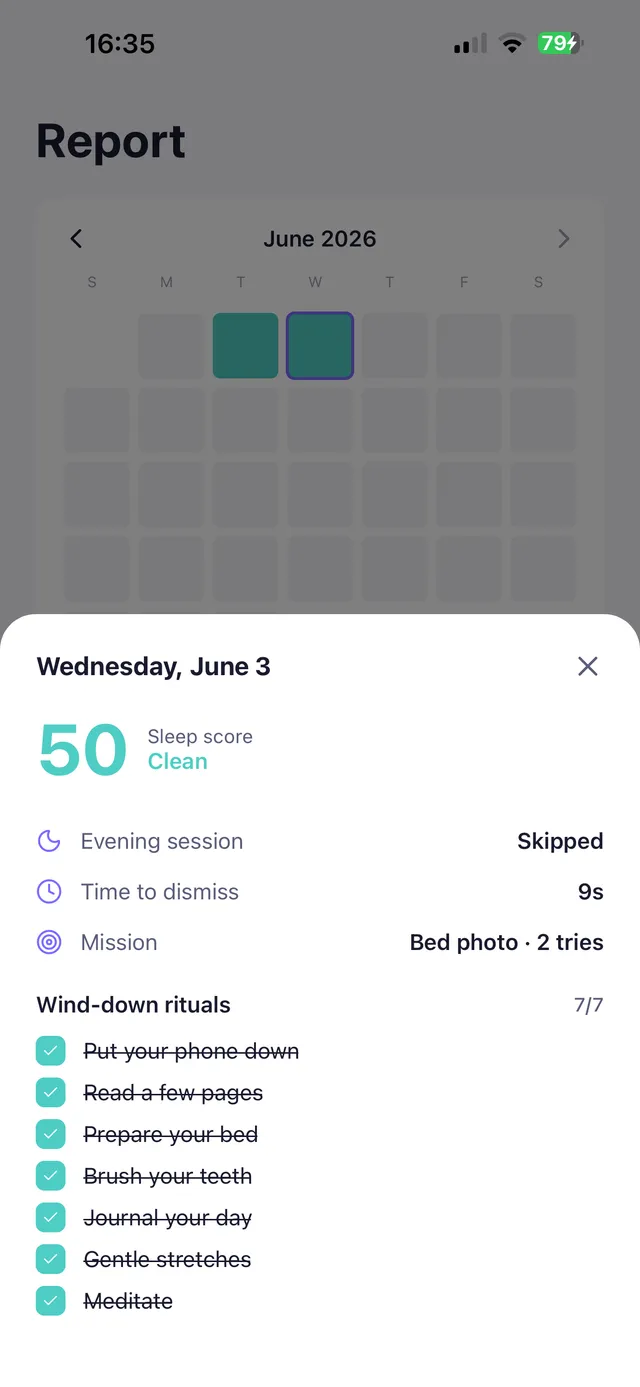
OwlRoutine was named for night owls who want better mornings. It adapts to your schedule: set a consistent alarm with a mission to dismiss, use the guided wind-down to tame the late-night second wind, and watch your streaks and heatmap show your rhythm settling.
This article is general information, not medical advice.
Frequently asked questions
What is a night owl?
A night owl, or evening type, is someone whose natural sleep–wake timing runs later than average. They tend to feel most alert in the evening and struggle with early mornings.
Is being a night owl genetic?
Partly. Many gene variants are associated with morningness or eveningness, and age and light exposure also play big roles.
Can a night owl become an early bird?
You can shift your rhythm, often by one to two hours, with consistent wake times, morning light and dim evenings, but genetics set limits.
Is being a night owl bad for your health?
Some observational studies link strong eveningness with health risks, likely due to misalignment with early schedules and shorter sleep. A consistent schedule with enough sleep helps.
Wake up for real. Wind down for good.
OwlRoutine is a sleep-cycle alarm that makes mornings actually stick — with a guided wind-down, dismiss missions, sleep scores and rewards. Available on iPhone and Android.