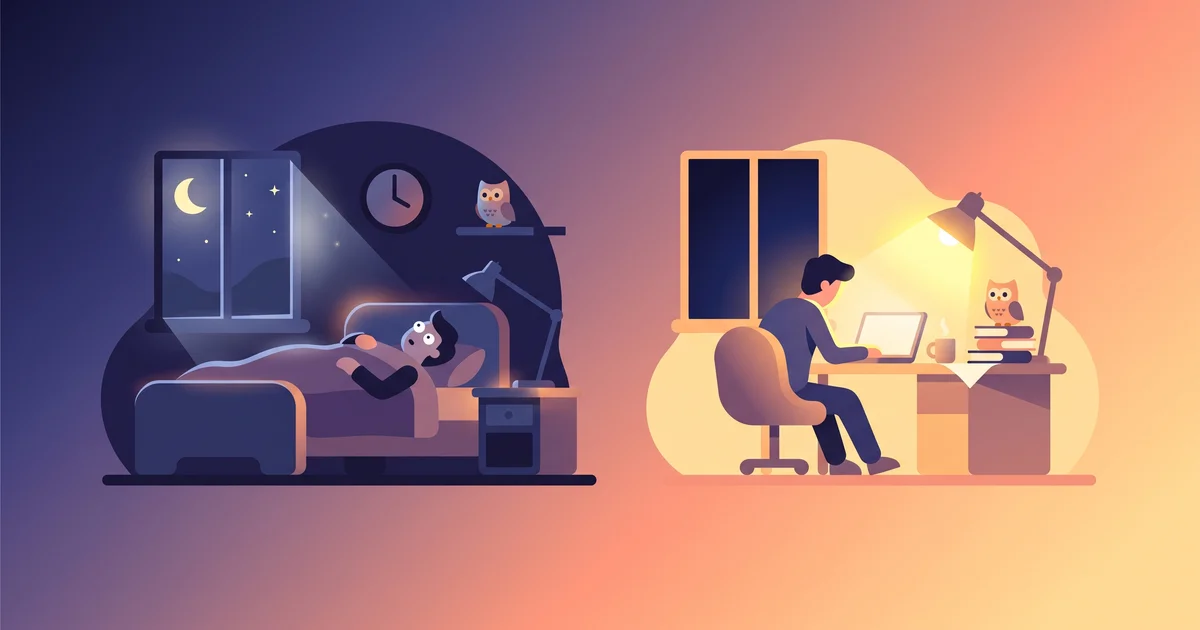
Bedroom Setup for Better Sleep: The Complete Environment Checklist

You can nail your bedtime and still sleep badly if the room itself is working against you. A bedroom setup for better sleep isn't about buying expensive gear — it's about getting a handful of environmental basics right: light, noise, clutter, what you're sleeping on, and the air you're breathing. Here's the full picture, room by room.
The short answer
The core elements of a sleep-friendly bedroom are: darkness (blackout curtains, no glowing electronics), quiet or masked noise, a cool temperature, a supportive mattress and pillow, minimal clutter, and reasonably fresh air. None of these need to be perfect — consistency across most of them matters more than any single upgrade.
Light: darker than you think
Even small amounts of light can interfere with sleep quality and delay melatonin release. Streetlights through thin curtains, a standby light on a TV, a charging cable's LED — these add up.
- Blackout curtains or blinds make the biggest difference if your room gets streetlight, dawn light, or is in a bright urban area.
- Cover or remove small electronic lights — router lights, chargers, standby indicators. Tape or a cloth works fine.
- Use an eye mask if blackout curtains aren't an option (renting, shared space, or you just haven't gotten around to it).
- Keep the bathroom light dim if you get up at night — a small nightlight in the hallway is gentler than flipping on a bright switch, which can wake you up more fully than you want, especially if you're prone to waking at 3am.
Noise: quiet or consistently masked
Silence is ideal, but not always realistic. If your environment is noisy or unpredictable — traffic, neighbors, a partner's snoring — a consistent masking sound is often more practical than trying to eliminate the noise entirely. See white noise for sleep for a full breakdown of white, pink, and brown noise and how to use them at a safe volume.
Temperature: its own topic
Temperature is one of the single biggest environmental levers for sleep quality, enough that it deserves its own deep dive — see the best bedroom temperature for sleep for specific numbers and tips on cooling a warm room or warming a cold one.
OwlRoutine helps you wind down at night and actually get up in the morning — with a guided wind-down, dismiss missions, and sleep scores. Available on iPhone and Android.


Clutter and visual calm
A cluttered bedroom doesn't just look messy — for many people it also makes the room feel less restful, adding a low-level sense of unfinished business right before bed.
- Clear surfaces near the bed — nightstands piled with papers, chargers, and half-read mail work against the "this room is for rest" signal.
- Keep work out of the bedroom where possible. A laptop propped open on the dresser blurs the line between "off duty" and "on duty," which matters even more if you work from home.
- A five-minute reset before bed — putting clothes away, clearing the nightstand — can be a small, physical part of a wind-down routine, signaling the day is actually done.
Mattress and pillow basics
You don't need the most expensive mattress on the market, but a mattress that's genuinely worn out, too soft, or too firm for your sleep position will undercut everything else on this list.
- Rule of thumb: most mattresses need replacing every 7–10 years, sooner if you wake with new aches or notice visible sagging.
- Side sleepers generally do better with a slightly softer mattress and a firmer, thicker pillow to keep the neck aligned.
- Back and stomach sleepers often prefer a firmer mattress and a thinner pillow.
- Pillows wear out faster than mattresses — a good guideline is replacing them every 1–2 years, since they lose shape and can also accumulate allergens.
- Test before committing where possible — even a generous return window matters more than a spec sheet.
Air quality
Stuffy, stale, or overly dry air can contribute to congestion, dry throat, or general restlessness overnight.
- Ventilate before bed — even a few minutes of an open window can refresh a stuffy room, weather permitting.
- Consider a humidifier in dry climates or winter, when indoor heating dries out the air.
- Houseplants are popular for bedrooms, though their measurable air-quality effect is modest — the main benefit is more likely the calming, low-clutter aesthetic they add than any dramatic change in air composition.
- Change or clean air filters and bedding regularly if allergies are a factor — dust and allergens accumulate in pillows, mattresses, and HVAC filters.
Keeping tech out (mostly)
The bedroom-as-sanctuary idea usually includes minimizing devices, but for most people that doesn't mean going alarm-clock-only in 2026 — it means being intentional about which tech stays.
- Charge your phone away from the bed if you tend to scroll — see what phones do to sleep.
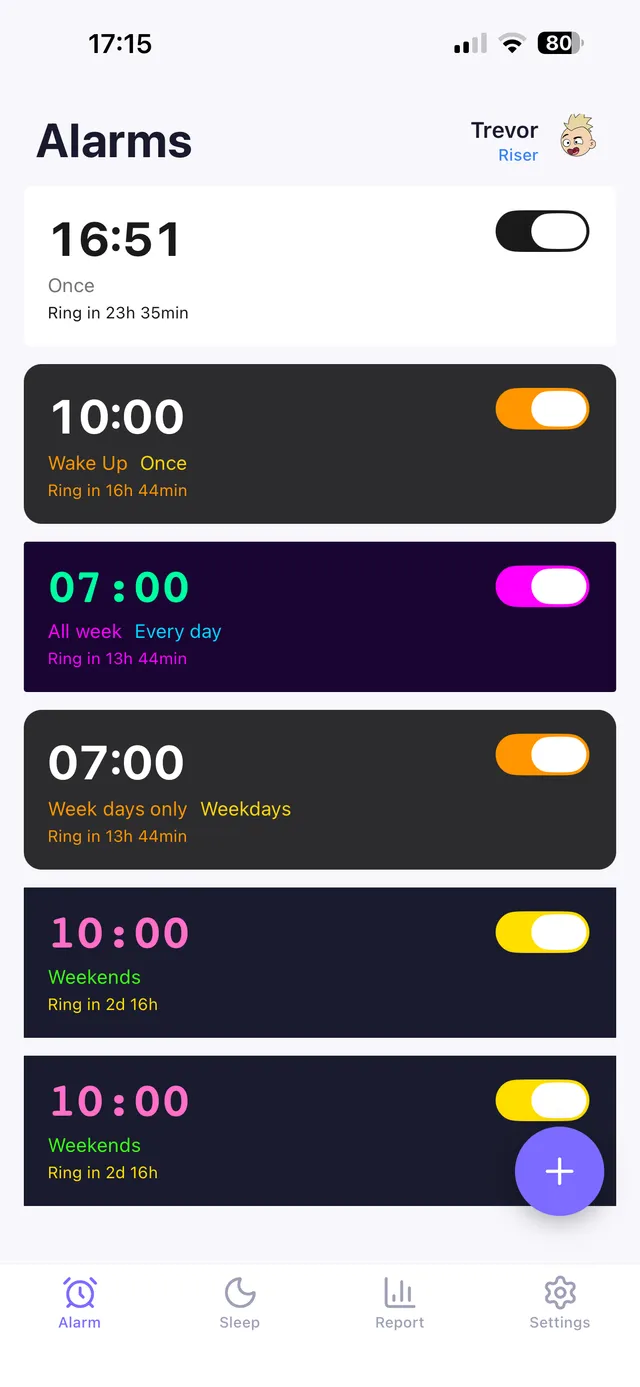
- If your phone is your alarm, put it across the room so silencing it means physically getting up — which also helps if you're prone to hitting snooze.
- TVs in the bedroom are a personal call, but if falling asleep to one is a nightly habit, it's worth noticing whether it's actually helping you sleep or just filling silence.
A quick setup checklist
- Blackout curtains or an eye mask
- Small electronics' lights covered
- Room cooled to a comfortable range (see the temperature guide)
- White noise, fan, or earplugs if the environment is noisy
- Mattress and pillow that suit your sleep position and aren't worn out
- Nightstand and surfaces cleared
- Phone charging away from the bed
- A few minutes of fresh air before bed
Run through the rest of the fundamentals with the full sleep hygiene checklist, which covers habits beyond the room itself.
The bottom line
A sleep-friendly bedroom comes down to a handful of environmental basics: darkness, quiet (or well-masked noise), a cool temperature, a mattress and pillow that fit you, minimal clutter, and reasonably fresh air. None of it requires a full renovation — most of these are one-time fixes (curtains, a pillow swap, a cable tidy) that keep paying off every single night.
Once the room itself is working for you, OwlRoutine helps with the two hardest edges of the day inside it: a guided wind-down routine to help your mind catch up with your newly calm environment, and a mission alarm that gets you up in the morning without needing the room to be bright and jarring to do it.
Frequently asked questions
What's the most important part of a bedroom setup for sleep?
Darkness and temperature tend to have the biggest measurable effect, but noise, clutter, and a mattress that suits your sleep position all contribute meaningfully too.
Do plants actually improve sleep by cleaning the air?
Their measurable air-quality effect is modest. The main benefit for most people is more likely the calming, decluttered feel they add to a room.
How often should I replace my pillow?
A common guideline is every 1–2 years, since pillows lose shape and accumulate allergens faster than mattresses do.
Should I keep my phone in the bedroom?
If you tend to scroll before bed or hit snooze repeatedly, charging it across the room (or outside the bedroom) tends to help with both problems.
Wake up for real. Wind down for good.
OwlRoutine is a sleep-cycle alarm that makes mornings actually stick — with a guided wind-down, dismiss missions, sleep scores and rewards. Available on iPhone and Android.