Blue Light and Sleep: What the Science Actually Says
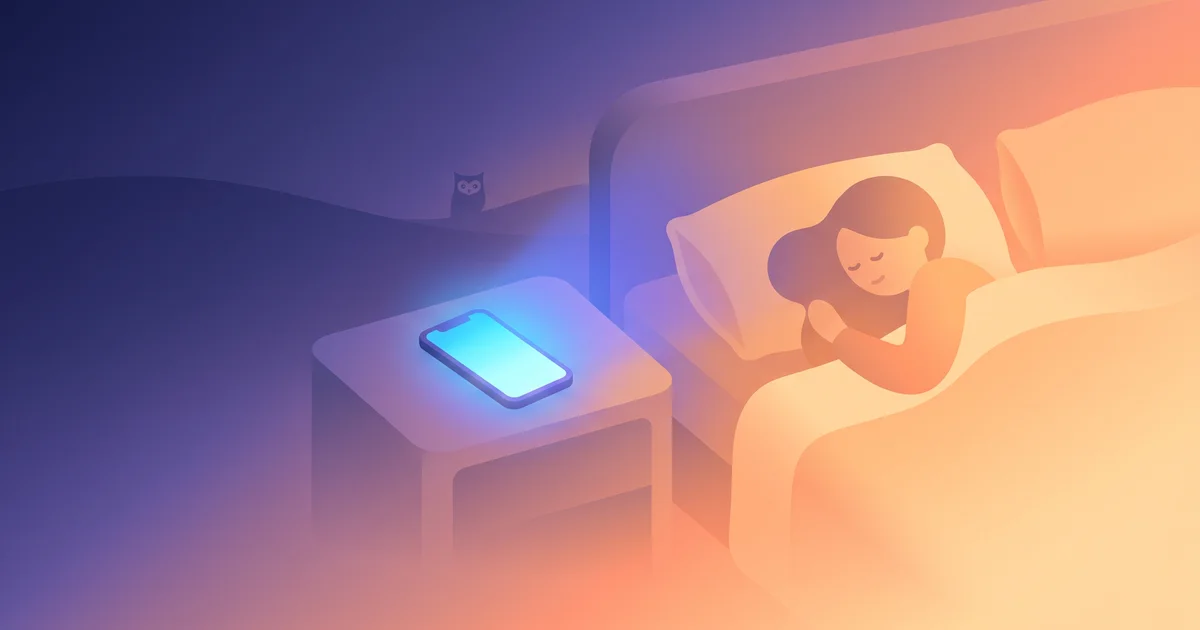
Phones, laptops, tablets, LED bulbs — most of modern life glows blue-ish white. Along the way, blue light got a reputation as sleep enemy number one, with night-mode filters and orange glasses marketed as the fix. The real story is a bit more nuanced, and knowing it helps you spend your effort where it actually pays off.
The short answer
Blue-wavelength light suppresses melatonin and delays your body clock more effectively than warmer wavelengths, gram for gram. But in real-world use, overall brightness and timing matter more than color alone — a dim blue-tinted screen at 9pm is usually less disruptive than a very bright warm-toned room at 1am. Night mode and blue-light filters help a little; dimming your lights and putting screens down before bed helps more.
Why blue light gets the blame
Your eyes contain light-sensitive cells (intrinsically photosensitive retinal ganglion cells) that feed directly into your circadian clock, separate from the cells you see with. These cells are most sensitive to short wavelengths — the blue end of the spectrum, roughly 460–480nm. When they detect light, they signal "daytime" to your brain, which suppresses melatonin, the hormone that helps you feel sleepy.
That's a genuinely useful system during the day: it's part of why morning sunlight is so good at waking you up and anchoring your body clock. The problem is that the same mechanism works at night, when a laptop screen or bright bathroom light can tell your brain it's still daytime, delaying melatonin release and pushing your body clock later.
What the evidence actually shows
- Wavelength matters, but it's not the whole story. Lab studies comparing blue light to red or amber light at the same intensity do show more melatonin suppression under blue light.
- Brightness and duration matter as much or more. A dim screen for ten minutes has far less effect than an hour of bright overhead lighting, regardless of color.
- Screen distance and screen time matter. Phones held close to the face deliver more light to the eye than a TV across the room, even at similar brightness settings.
- Individual sensitivity varies. Some people's circadian systems are more light-sensitive than others; age also plays a role (younger eyes let in more light).
- Content, not just light, keeps you up. Scrolling social media, replying to work email, or watching a tense show activates your mind independent of the screen's glow — see what phones actually do to sleep for the behavioral side of this.
Does night mode / blue-light filter actually help?
Night mode features (like iOS Night Shift or Android's dark theme with warm tint) shift the color temperature of your screen toward orange, reducing the blue component. Studies on whether this meaningfully changes melatonin suppression are mixed — some show a small benefit, others show little difference, largely because these filters don't reduce overall brightness much.
| Tool | What it changes | How much it likely helps |
|---|---|---|
| Night mode / warm screen filter | Color temperature only | Small |
| Lowering screen brightness | Total light output | Moderate |
| Blue-light blocking glasses | Wavelength reaching the eye | Small to moderate, inconsistent evidence |
| Dimming room lights in the evening | Total light exposure | Moderate to large |
| Putting the screen away entirely | Everything | Largest |
The takeaway: night mode is a reasonable low-effort habit, but it isn't a free pass to scroll in bed for an hour before sleep.
OwlRoutine helps you wind down at night and actually get up in the morning — with a guided wind-down, dismiss missions, and sleep scores. Available on iPhone and Android.


What actually matters more than color
- Timing. Bright light of any color in the two hours before bed delays your body clock more than the same light earlier in the evening.
- Total brightness. Dim your main lights in the evening, not just your screen.
- Duration of exposure. A quick check of your phone is very different from an hour of browsing in bed.
- Consistency. A predictable wind-down routine that includes dimming lights sends a much stronger "it's nighttime" signal than any single filter setting.
A practical evening light plan
- 2 hours before bed: switch to lamps or dimmer overhead lighting instead of bright ceiling lights.
- 1 hour before bed: turn on night mode/dark mode if you're still on a screen, and lower brightness manually — most phones let you go dimmer than the automatic setting.
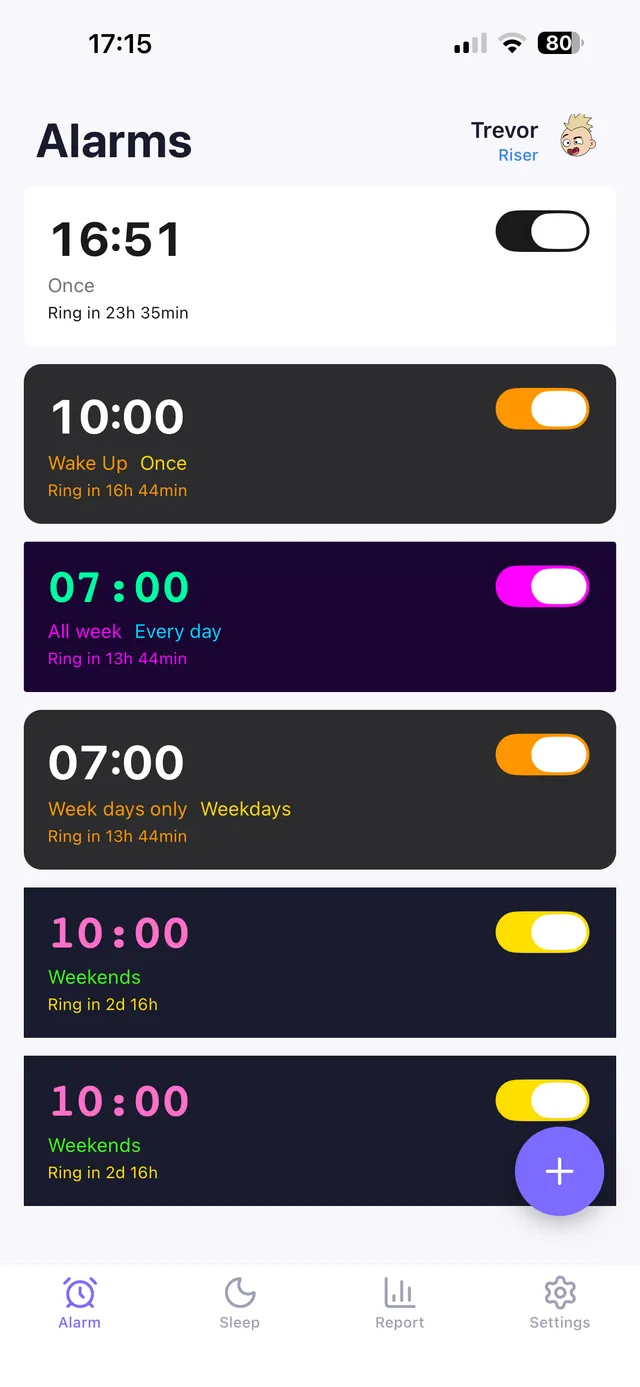
- 30 minutes before bed: put the phone in another room or on a charging dock away from the bed. This also helps if you tend to hit snooze — a phone across the room means you have to get up to silence the alarm anyway.
- In the morning: get bright light, ideally sunlight, as soon as you can — this is a much bigger lever for your body clock than avoiding blue light at night. See why morning sunlight matters.
Should you buy blue-light glasses?
If you already have a pair and like wearing them, there's no harm. But the evidence that they meaningfully improve sleep on their own is inconsistent, and they won't offset an hour of bright-screen scrolling right before bed. Money is usually better spent on blackout curtains or a warmer bedside lamp than on glasses alone.
The bottom line
Blue light does suppress melatonin more than other wavelengths, but in everyday life, total brightness, timing, and what you're doing on the screen matter just as much — often more. Night mode and blue-light glasses are reasonable small habits, but dimming your environment in the evening and keeping your phone out of bed will do more for your sleep than any filter setting.
OwlRoutine's wind-down routine is built around exactly this: a guided sequence of breathing and journaling prompts that gives your brain something calmer to focus on than a bright screen, so you're winding down instead of scrolling right up until lights out. And in the morning, the mission alarm makes sure you actually get up and into the light instead of lying in a dim room with your eyes shut.
Frequently asked questions
Does blue light really keep you awake?
Blue wavelengths suppress melatonin more efficiently than warmer light, but in practice, total brightness, timing, and screen duration usually matter as much or more than color alone.
Does night mode on my phone actually help me sleep?
It can help a little by reducing the blue component of light, but it doesn't lower overall brightness much, so its effect is modest. Dimming your screen and room lights matters more.
Do blue-light glasses work?
Evidence is mixed. Some studies show a small benefit, others show little difference. They're not harmful to try, but shouldn't be relied on as your main fix.
What matters more than blue light for sleep?
Overall evening brightness, how close to bedtime you're exposed to bright light, and getting bright light in the morning to anchor your body clock.
Wake up for real. Wind down for good.
OwlRoutine is a sleep-cycle alarm that makes mornings actually stick — with a guided wind-down, dismiss missions, sleep scores and rewards. Available on iPhone and Android.