Meditation for Sleep: A Beginner's Guide to Falling Asleep With Mindfulness

If you lie in bed with a mind that won't stop, meditation for sleep is worth a try. It doesn't require incense, special cushions or an hour a day. A few minutes of focused, gentle attention before bed can lower the mental and physical arousal that keeps you awake — and there's solid research suggesting it can improve sleep quality.
The short answer
Meditation helps sleep by calming the stress response and redirecting attention away from worries. Simple techniques — breath focus, a body scan, counting breaths or a guided meditation — for 5–15 minutes before bed are enough to start. A randomised trial found mindfulness training improved sleep quality in older adults with sleep problems. Consistency matters more than length.
What the research says
- A 2015 randomised controlled trial published in JAMA Internal Medicine found that a structured mindfulness programme improved sleep quality in older adults with moderate sleep disturbances, more than a sleep hygiene education programme did. It also reduced daytime fatigue and depression symptoms.
- Reviews of mindfulness-based interventions for insomnia have reported improvements in sleep quality and some sleep measures, though study quality and results vary.
- Meditation is also a core ingredient of many relaxation techniques used in CBT for insomnia.
The likely mechanisms: slower breathing, lower heart rate, less rumination, and a learned skill of noticing thoughts without getting pulled into them.
4 sleep meditation techniques for beginners
| Technique | What you do | Best for |
|---|---|---|
| Breath focus | Attend to the feeling of breathing | Beginners; general calm |
| Body scan | Move attention slowly through the body | Tension, restlessness |
| Counting breaths | Count exhales 1–10, repeat | Busy, wandering minds |
| Guided meditation | Follow an audio recording | People who prefer instructions |
1. Breath focus
Lie comfortably. Notice the sensation of breathing — air at the nostrils, or your belly rising and falling. When your mind wanders (it will), gently bring it back. That returning is the practice.
2. Body scan
Starting at your toes, slowly move your attention up through your body — feet, ankles, calves, knees, thighs, and so on. Notice sensations without trying to change them. If you notice tension, let it soften on the out-breath.
3. Counting breaths
Count each exhale: one… two… up to ten, then start again. If you lose count, start over at one without judging yourself. It gives a busy mind a simple, boring job.
4. Guided meditation
Many people find it easier to follow a calm voice. Choose recordings designed for sleep, set a sleep timer, turn the phone face-down and keep it out of reach. The audio is fine; the screen isn't. What phones do to sleep.
OwlRoutine helps you wind down at night and actually get up in the morning — with a guided wind-down, dismiss missions, and sleep scores. Available on iPhone and Android.


A 10-minute bedtime meditation
- Minute 0–1: Settle in bed or sitting comfortably. Lights low, phone away.
- Minute 1–3: Slow breathing — exhale a little longer than you inhale.
- Minute 3–7: Body scan from toes to head.
- Minute 7–9: Breath focus. When thoughts arise, label them "thinking" and return to the breath.
- Minute 9–10: Let go of any technique and simply rest.
If you fall asleep partway through, that's fine.
Common beginner problems
- "My mind won't stop wandering." That's normal. Meditation isn't having no thoughts; it's noticing and returning, over and over.
- "I get frustrated." Drop the goal of falling asleep. Aim to rest. Sleep tends to arrive when you stop chasing it.
- "I don't have time." Start with three minutes. Consistency beats duration.
- "I feel more anxious." Some people find focusing inward uncomfortable at first. Try a guided meditation, keep your eyes open, or switch to a physical technique like stretching before bed or the military sleep method. If anxiety persists, talk to a professional.
Make it part of your wind-down
Meditation works best as part of a routine: dim lights, phone away, a shower or reading, then a few minutes of meditation. If your mind races with to-dos, write them down first — journaling before bed — then meditate. For persistent racing thoughts, see how to quiet a racing mind at night.
When to get more help
If you've had trouble sleeping at least three nights a week for several months, talk to a doctor. CBT for insomnia is the recommended first-line treatment and includes relaxation and mindfulness techniques as part of a broader programme.
The bottom line
Meditation for sleep is simple: a few minutes of breath focus, a body scan or a guided practice before bed can calm your body and quiet your mind. Research supports its benefits for sleep quality. Keep it short, do it every night and let go of trying to force sleep.
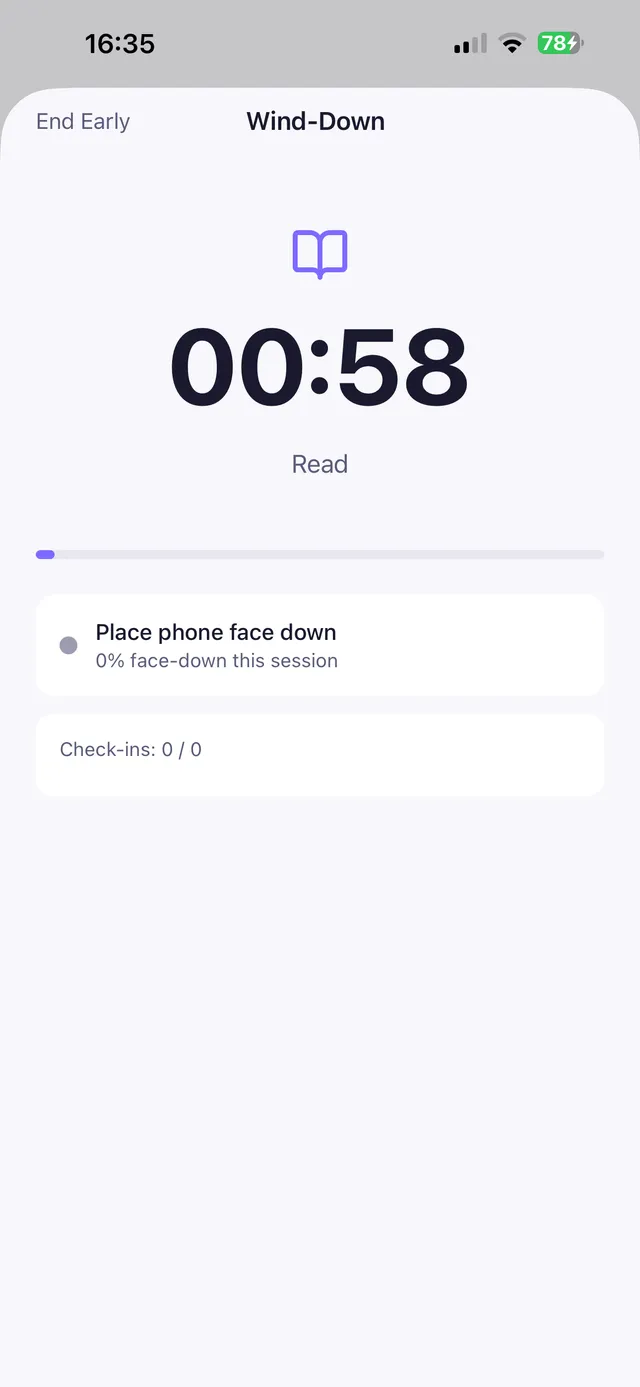
OwlRoutine includes Meditate as one of the activities in its guided wind-down session. Start the session, place your phone face-down (the app checks with the motion sensor), and meditate until the timer ends. Completing your wind-down earns you an easier mission on tomorrow's alarm.
This article is general information, not medical advice.
Frequently asked questions
Does meditation help you sleep?
Research suggests it can. A 2015 randomised trial found a mindfulness programme improved sleep quality in older adults with sleep problems more than sleep hygiene education.
What is the best meditation for sleep?
Simple techniques like breath focus, a body scan, counting breaths or a guided sleep meditation all work well. Choose the one you find easiest to stick with.
How long should I meditate before bed?
Five to fifteen minutes is enough for most people. Consistency every night matters more than length.
Is it okay to fall asleep while meditating?
Yes. If you're meditating to help you sleep, drifting off partway through is a good outcome.
Wake up for real. Wind down for good.
OwlRoutine is a sleep-cycle alarm that makes mornings actually stick — with a guided wind-down, dismiss missions, sleep scores and rewards. Available on iPhone and Android.