7 Napping Mistakes That Are Wrecking Your Sleep (and Your Naps)
A well-timed nap can genuinely fix an afternoon. A badly-timed one can leave you groggier than before you started and quietly sabotage your sleep that night — and most people who say "naps don't work for me" are actually just making one of a handful of very common, very fixable mistakes.
The short answer
The most common napping mistakes are napping too long (crashing into deep sleep and waking up groggy), napping too late in the day (which delays your bedtime), napping inconsistently (which confuses your body's rhythm), and using a nap as a substitute for fixing chronic sleep debt instead of an occasional boost. Fix the timing and length, and most nap-related grogginess disappears.
Mistake 1: Napping too long
This is the single biggest reason naps backfire. Sleep moves in cycles, and if you sleep past roughly 20-30 minutes, you risk dropping into deep, slow-wave sleep. Waking up out of deep sleep causes sleep inertia — that heavy, disoriented grogginess that can take 20-30+ minutes to wear off, sometimes leaving you feeling worse than before the nap. For the specifics on ideal nap length, see how long should a nap be.
Fix: Set an alarm for 20-25 minutes for a quick refresh, and treat anything longer as a deliberate full sleep cycle (around 90 minutes) rather than accidentally waking mid-cycle.
Mistake 2: Napping too late in the day
A nap at 6pm competes directly with your nighttime sleep — it reduces the sleep pressure (the biological drive to sleep) that's supposed to be building toward bedtime, making it harder to fall asleep later and potentially shifting your whole schedule later.
Fix: Keep naps to the early-to-mid afternoon, roughly 1-3pm for most schedules, and treat anything after 4-5pm as a red flag unless you're intentionally managing a specific short-term situation like jet lag.
Mistake 3: Napping to mask chronic sleep debt
An occasional nap is a healthy tool. A daily nap that's only there because you're not sleeping enough at night is a patch over a bigger problem. If you find yourself needing a nap every single day just to function, the real fix is addressing why your nighttime sleep isn't sufficient in the first place. See sleep debt for how this accumulates and what it actually takes to recover.
Mistake 4: Inconsistent nap timing
Napping at 1pm one day and 4pm the next, or skipping some days and napping for two hours on others, keeps your body from settling into a predictable rhythm. This is closely related to the same problem covered in afternoon slump causes — inconsistency in general is one of the biggest hidden costs to your energy levels.
Fix: If naps are part of your routine, keep the timing and length roughly consistent, the same way you would a bedtime.
Mistake 5: Napping in the wrong environment
A nap on a bright, noisy couch with your phone in hand isn't set up to succeed — you'll likely take longer to fall asleep, sleep more lightly, and get less benefit even within a short window.
Fix: Treat a nap like a mini version of nighttime sleep: dim the lights, put the phone away, and give yourself a quiet 20-30 minutes rather than trying to nap in the middle of stimulation.
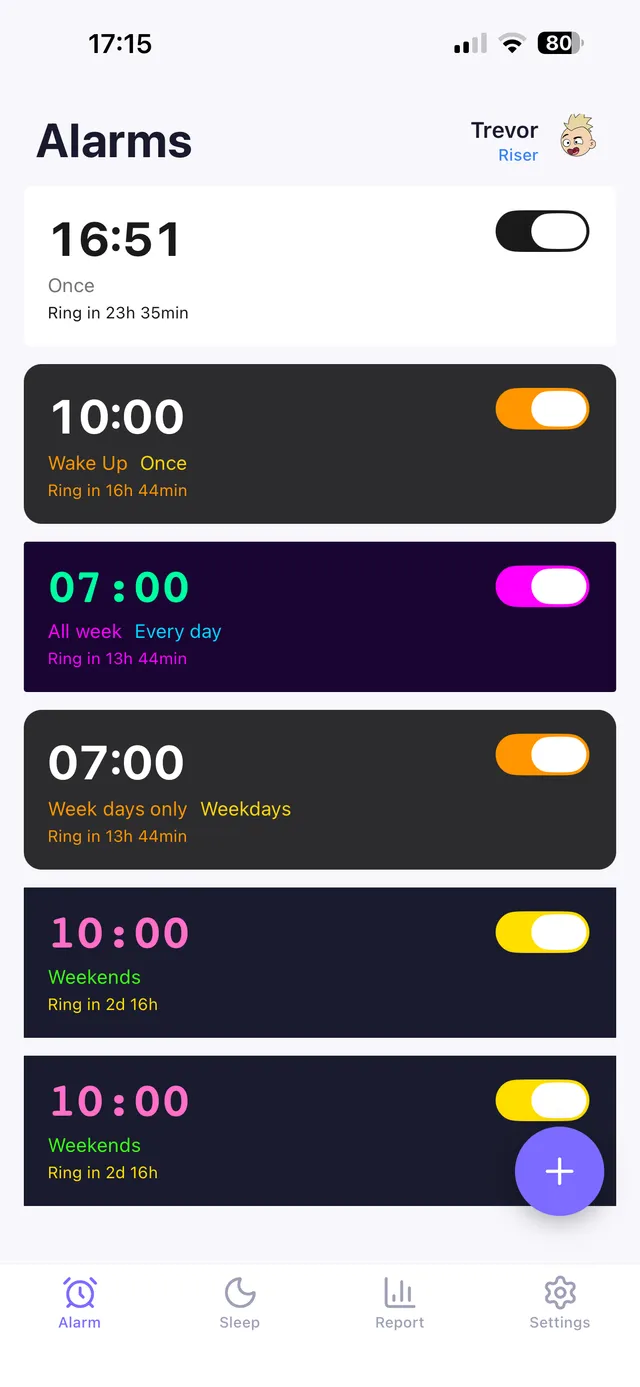
OwlRoutine helps you wind down at night and actually get up in the morning — with a guided wind-down, dismiss missions, and sleep scores. Available on iPhone and Android.


Mistake 6: Relying on caffeine timing tricks without understanding them
The "coffee nap" (drinking caffeine right before a short nap, so it kicks in as you wake) is a real, studied technique — but it only works within a narrow window (a nap of about 20 minutes, right after drinking) and doesn't suit everyone, especially anyone sensitive to caffeine or napping later in the day when that caffeine will still be active come bedtime. Caffeine cutoff before bed.
Fix: If you try it, keep it early in the day and keep the nap short — otherwise you risk both nap grogginess and a caffeine-disrupted night.
Mistake 7: Expecting a nap to fully substitute for lost nighttime sleep
Naps can restore some alertness and performance, but they don't fully replace the distinct restorative work of a complete night's sleep — particularly the long stretches of deep and REM sleep that only build up in longer, uninterrupted sleep. A nap is a supplement, not a replacement. If you're chronically under-sleeping and using naps to get by, that's worth addressing directly rather than layering more naps on top.
Quick reference: fixing your nap
| Mistake | Fix |
|---|---|
| Napping 60-90+ minutes accidentally | Set an alarm for 20-25 minutes |
| Napping after 4-5pm | Move it to early-to-mid afternoon |
| Napping to cover for chronic short sleep | Fix the nighttime sleep instead |
| Random, inconsistent nap timing | Keep a consistent nap window |
| Napping in a bright, noisy spot | Dim, quiet environment, phone away |
| Random caffeine before naps | Use the coffee-nap trick deliberately or skip it |
| Expecting naps to replace lost sleep | Treat naps as a supplement, not a substitute |
Who should be more careful with naps
If you have insomnia or ongoing trouble sleeping at night, naps — even well-timed ones — can sometimes make things worse by reducing the sleep pressure you need to fall asleep easily at bedtime. In that case, it may be worth skipping naps altogether for a while as part of tightening up your schedule. See what is insomnia if that sounds like your situation.
The bottom line
Most "napping doesn't work for me" complaints trace back to a specific, fixable mistake — too long, too late, too inconsistent, or leaning on naps to paper over a deeper sleep debt. Keep naps short, early, and consistent, and treat them as a supplement to good nighttime sleep rather than a replacement for it.
If your naps keep running long because a soft alarm doesn't wake you, OwlRoutine's mission alarm works just as well for a 20-minute nap as it does for mornings — a task you actually have to complete means you won't accidentally sleep through your alarm and land in deep sleep territory.
This article is general information, not medical advice.
Frequently asked questions
What is the most common napping mistake?
Napping too long. Sleeping past 20-30 minutes risks entering deep sleep, and waking from deep sleep causes grogginess (sleep inertia) that can outweigh the benefit of the nap.
Is it bad to nap late in the day?
Yes, naps after about 4-5pm reduce the sleep pressure your body needs to fall asleep easily at bedtime, which can delay or disrupt your nighttime sleep.
Can naps replace lost nighttime sleep?
Not fully. Naps can restore some alertness, but they can't replace the longer stretches of deep and REM sleep that only occur during a complete, uninterrupted night's sleep.
Should I nap if I have insomnia?
Be cautious. Naps can reduce the sleep drive needed to fall asleep easily at night, which may worsen insomnia for some people. It can be worth skipping naps while working on a consistent nighttime schedule.
Wake up for real. Wind down for good.
OwlRoutine is a sleep-cycle alarm that makes mornings actually stick — with a guided wind-down, dismiss missions, sleep scores and rewards. Available on iPhone and Android.