Best Smartwatches for Sleep Tracking: What Actually Sets Them Apart
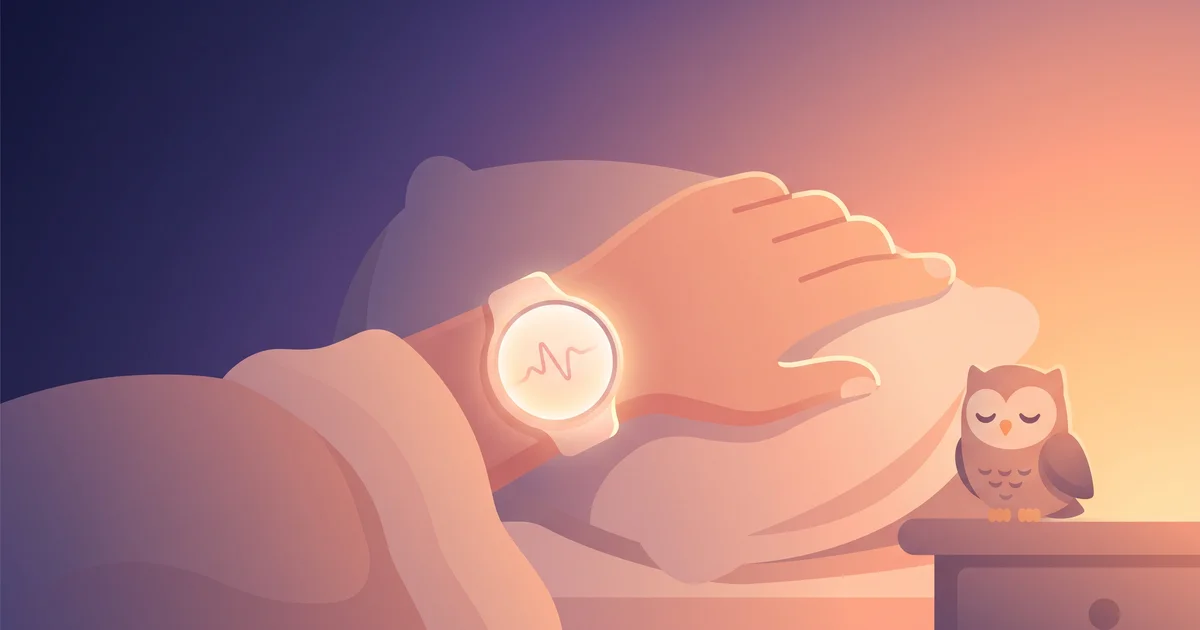
Most smartwatches were designed first for fitness and notifications, with sleep tracking added later. That history still shows: some watches treat sleep as a core feature with dedicated scores and detailed graphs, while others give you a basic duration estimate and little else. If you're buying a smartwatch mainly for sleep insight, here's what actually differs between the major players.
The short answer
For sleep specifically, Garmin watches tend to offer the most detailed sleep metrics and multi-day battery life without needing nightly charging, Apple Watch integrates tightly with iPhone's Health app and offers a clean wind-down and sleep-stage view but needs more frequent charging, and Samsung Galaxy Watch offers strong sleep-stage detail plus a distinctive "sleep animal symbol" summary for Samsung/Android users. All three use heart rate and movement to estimate sleep, not direct brain measurement — see how fitness trackers estimate sleep stages for how that works.
What actually matters for sleep tracking in a smartwatch
Before comparing brands, it helps to know which features genuinely affect sleep-tracking usefulness:
- Battery life relative to charging habits — a watch that needs nightly charging will have gaps in sleep data unless you charge it at a consistent non-sleep time (like during a morning shower).
- Comfort on the wrist overnight — bulkier watch bodies can bother side sleepers.
- Sensor quality — heart-rate and SpO2 sensor accuracy affects how reliable stage estimates are.
- App depth — does it just show hours slept, or break down stages, restfulness, and trends over time?
- Ecosystem — an Apple Watch pairs naturally with iPhone; Samsung with Android; Garmin works across both but leans toward its own ecosystem for full features.
Comparing the major options
| Watch | Sleep-tracking strength | Battery life | Best for |
|---|---|---|---|
| Apple Watch | Clean sleep-stage view, Health app integration, wind-down feature | Typically needs near-daily charging | iPhone users wanting integration over raw detail |
| Garmin (various models) | Detailed sleep score, body battery/recovery metrics, works well for athletes | Often several days to weeks depending on model | Runners, athletes, anyone who hates daily charging |
| Samsung Galaxy Watch | Strong sleep-stage breakdown, "sleep coaching" style insights | Typically needs frequent charging | Android/Samsung phone users |
| Fitbit-brand smartwatches | Solid, accessible sleep score, straightforward app | Varies by model | Budget-conscious buyers wanting simplicity |
For a closer look at how Fitbit specifically stacks up against a leading sleep-focused ring, see Oura Ring vs Fitbit for sleep.
Battery life: the underrated factor
A smartwatch that dies at 11pm doesn't track sleep that night. This is one of the most practical differentiators between brands:
- Watches built primarily for notifications and apps (many general smartwatches) tend to need daily or near-daily charging.
- Watches built with sport and outdoor use in mind (many Garmin models) often prioritize multi-day battery life, which happens to make them more reliable for consistent overnight tracking.
If sleep is your main use case rather than a bonus feature, weigh this heavily — a great sleep algorithm is useless on a dead battery.
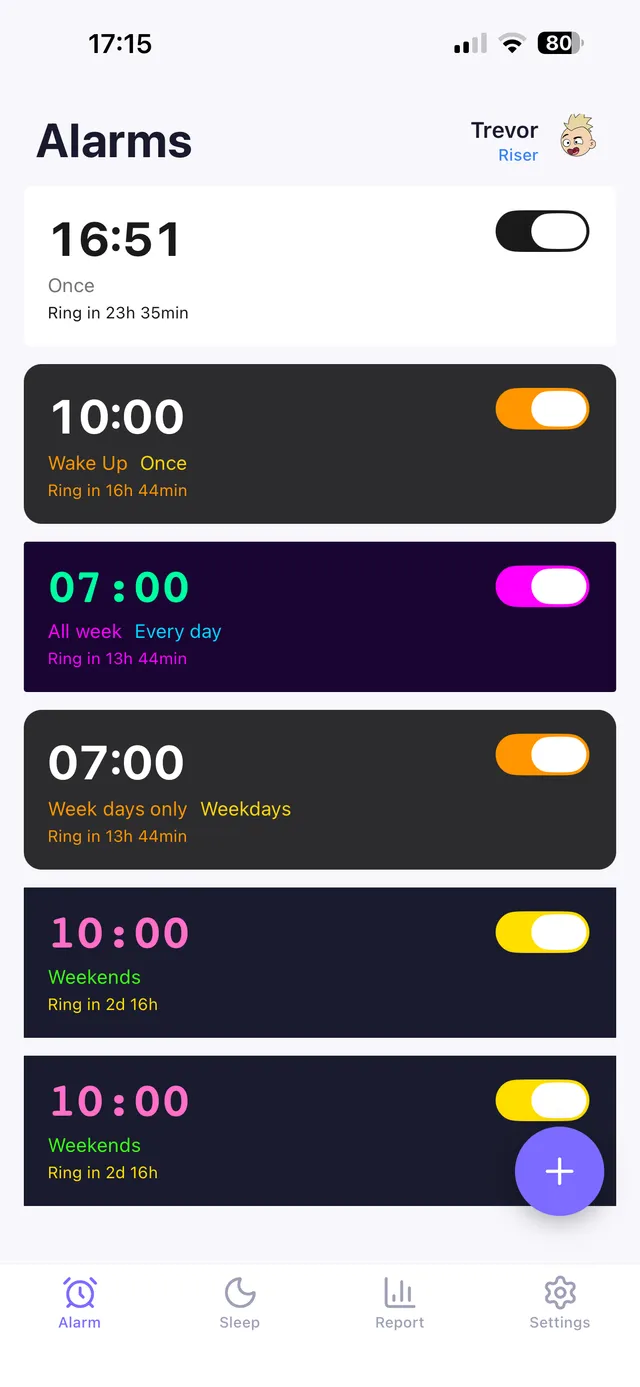
OwlRoutine helps you wind down at night and actually get up in the morning — with a guided wind-down, dismiss missions, and sleep scores. Available on iPhone and Android.


Comfort matters more than spec sheets
No matter how detailed a watch's sleep-stage graph is, it won't help if you take the watch off at night because it's uncomfortable. Bulkier watch bodies with raised screens can dig into wrists for side sleepers, and metal bands can feel cold or catch on bedding. If comfort is a bigger concern than screen features, it's worth comparing watches against a lower-profile alternative like a sleep tracker ring.
What the sleep score actually tells you
Every major smartwatch brand now produces some version of a nightly sleep score, but they're calculated differently and aren't directly comparable across brands. See what a sleep score actually measures for why a "72" on one watch and a "72" on another might reflect quite different nights.
Do you need a smartwatch for sleep at all?
If fitness tracking, notifications and apps aren't things you want on your wrist, a dedicated smartwatch may be more than you need. A ring, a phone-based app, or a bedside sensor can track sleep trends without a screen strapped to you 24/7 — see wearable vs phone sleep tracking and best sleep trackers without a wearable if you want to compare the full range of options before committing to a watch.
Questions to ask before buying
- Will I actually wear it to bed every night? The best sleep tracker is the one you'll consistently use.
- Does its battery life fit my charging habits? Nightly charging is a dealbreaker for some people.
- Do I want fitness features bundled in, or just sleep? If it's just sleep, a smartwatch might be overkill.
- Is the app clear or overwhelming? Some apps bury sleep data under fitness dashboards.
The bottom line
The best sleep-tracking smartwatch depends on what you're optimizing for: Garmin generally wins on battery life and depth for athletes, Apple Watch wins on ecosystem integration for iPhone users, and Samsung Galaxy Watch wins for Android users wanting detailed stage breakdowns. All of them estimate sleep the same fundamental way — heart rate plus movement — so the differences are mostly about comfort, battery and app experience, not accuracy.
Whichever watch (or none) sits on your nightstand charger, OwlRoutine covers the two parts a smartwatch can't: a calming, guided wind-down before you even close your eyes, and a mission-based alarm in the morning that makes sure a great sleep score actually translates into getting out of bed.
Frequently asked questions
Which smartwatch is best for sleep tracking?
It depends on priorities: Garmin tends to offer the most detail and longest battery life, Apple Watch integrates tightly with iPhone's Health app, and Samsung Galaxy Watch offers strong sleep-stage detail for Android users.
Does a smartwatch need to be charged every day for sleep tracking?
Some do, particularly notification-focused smartwatches, which can create gaps in overnight data. Sport-focused watches often have multi-day battery life that's more forgiving.
Is a smartwatch more accurate than a sleep ring for tracking sleep?
Not inherently — both use similar heart-rate and movement-based methods. The differences are mainly comfort, battery life and app features rather than raw accuracy.
Do I need a smartwatch to track sleep well?
No. Phone apps, rings and bedside sensors can also track sleep trends, and may suit people who don't want to wear a device with a screen to bed.
Wake up for real. Wind down for good.
OwlRoutine is a sleep-cycle alarm that makes mornings actually stick — with a guided wind-down, dismiss missions, sleep scores and rewards. Available on iPhone and Android.