Cold Showers in the Morning: What the Evidence Actually Says
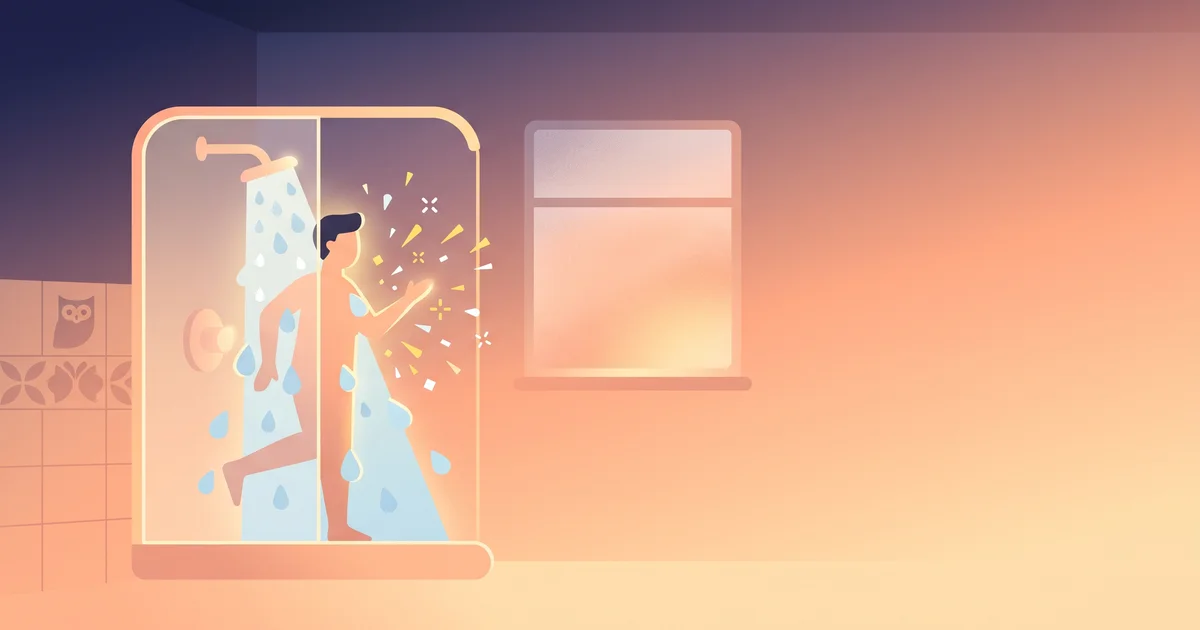
Walk into any corner of productivity or wellness culture and someone is extolling the virtues of a cold shower in the morning — sharper focus, better mood, discipline built one shiver at a time. Some of that holds up. Some of it is enthusiasm outrunning the evidence. Here's an honest breakdown before you turn the dial all the way to cold.
The short answer
Cold morning showers reliably produce an immediate alertness spike — the shock of cold water triggers a burst of adrenaline and a jump in heart rate that feels a lot like waking up fast. There's also reasonable evidence for a short-term mood boost. Claims about major metabolism changes, fat loss, or dramatic immune benefits are far less settled. It's safe for most healthy people to try gradually, but it's not a substitute for actual sleep.
What's genuinely backed by evidence
Alertness. This is the strongest, most consistent finding. Cold water exposure activates the sympathetic nervous system — the same "fight or flight" response behind that instant, breath-catching jolt. It reliably increases heart rate and feels alerting almost immediately, which is exactly why it's popular as a wake-up tool rather than a sleep aid.
Mood. Some research on cold water immersion (including studies on cold-water swimming) has found short-term mood improvements, potentially linked to the release of endorphins and noradrenaline. The effect size and how long it lasts vary a lot by study and by person.
A sense of accomplishment / discipline. This one is more psychological than physiological, but it's real: deliberately doing something uncomfortable first thing in the morning can create a genuine feeling of having already "won" the day, which shapes mood and motivation afterward.
What's overhyped or unsettled
- Major fat loss or metabolism boosts. Cold exposure does activate some fat-burning mechanisms (like brown fat activity), but the effect from a few minutes of a cold shower is small — nowhere near enough to be a meaningful weight-loss strategy on its own.
- Big immune system claims. Some studies (notably a well-cited one on cold showers and sick-day absence from work) found modest reductions in reported sick days, but the research is limited and doesn't support cold showers as an immune "boost" in any dramatic sense.
- Muscle recovery for athletes. Ironically, some evidence suggests cold exposure right after strength training may blunt muscle-building adaptations, which matters if you lift and shower cold immediately after.
How it compares to other morning alertness tools
| Tool | Speed of effect | Evidence strength | Downsides |
|---|---|---|---|
| Cold shower | Immediate | Good for alertness/mood, weak for metabolism | Uncomfortable, not for everyone medically |
| Morning sunlight | Minutes | Strong, well-established | Needs consistency, weather-dependent |
| Caffeine | 20-45 min | Strong | Can affect sleep if timed late |
| Movement/stretching | Minutes | Moderate-strong | Requires some effort/space |
Cold showers pair well with morning sunlight rather than replacing it — sunlight is the more foundational circadian signal, cold water is a fast-acting jolt on top of it.
OwlRoutine helps you wind down at night and actually get up in the morning — with a guided wind-down, dismiss missions, and sleep scores. Available on iPhone and Android.


How to try it safely
If you're healthy and want to experiment, ease in rather than diving straight to freezing:
- Start warm, end cold. Finish your normal shower with 15-30 seconds of cold water rather than starting cold.
- Gradually extend the cold portion over a couple of weeks — 30 seconds, then a minute, then longer if you like it.
- Breathe through the shock. Slow, controlled exhales help manage the initial gasp reflex rather than fighting it.
- Notice how you actually feel afterward, not just in the moment. Some people feel energized for hours; others just feel cold and don't repeat the experiment. Both are valid outcomes.
Who should be cautious
Cold water exposure causes a real cardiovascular response — a spike in heart rate and blood pressure. People with heart conditions, uncontrolled high blood pressure, or other cardiovascular concerns should talk to a doctor before making cold showers a habit, and anyone who feels dizzy, chest tightness, or unusual symptoms during a cold shower should stop and seek medical advice.
Does it replace a real morning routine?
No — and this is the honest caveat that gets lost in the hype. A cold shower is a five-minute alertness spike, not a substitute for the things that actually determine how your mornings go: enough sleep, a consistent wake time, and getting out of bed in the first place. If you're only cold-showering to compensate for chronic sleep debt, the shower is treating a symptom, not the cause — see sleep debt for the bigger picture. It fits best as one tool within a broader morning routine for productivity, not as a replacement for one.
Cold showers are also entirely optional — plenty of people build sharp, energizing mornings without ever touching cold water. If the idea sounds miserable rather than motivating, the 5am club and other morning routine approaches offer plenty of alternative levers to pull.
The bottom line
Cold morning showers deliver a real, fast alertness spike and a plausible short-term mood lift — that part holds up. Bigger claims about fat loss, metabolism, and dramatic immune benefits are thinner than the hype suggests. Try it gradually if it appeals to you, skip it if it doesn't; either way, it works best as a small addition to good sleep and a consistent wake-up, not a replacement for either.
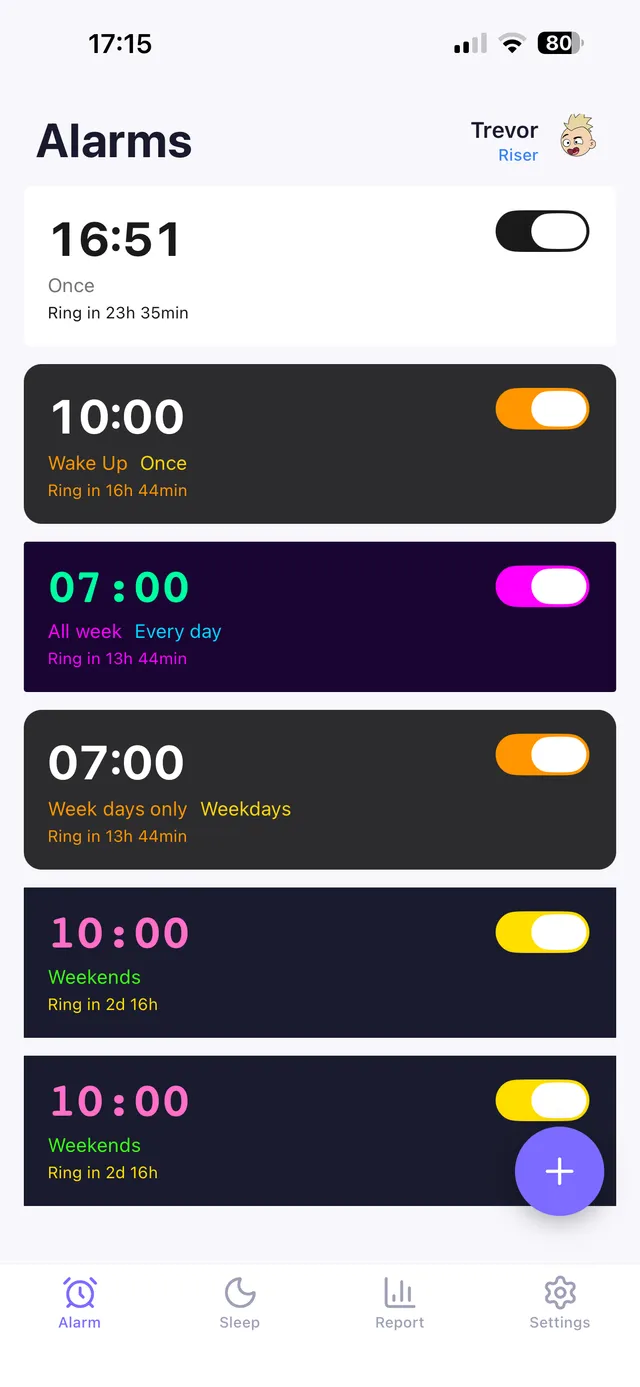
A cold shower can only jolt you awake once you're already out of bed — it does nothing for the moments before that, when snooze is most tempting. OwlRoutine's mission alarm handles that earlier step, forcing a task like a photo or a math problem before the alarm stops, so you actually make it to the shower, cold or otherwise.
Frequently asked questions
Do cold showers actually wake you up?
Yes, this is the best-supported benefit. Cold water triggers a sympathetic nervous system response that reliably increases alertness and heart rate almost immediately.
Do cold showers help you lose weight?
Not meaningfully. Cold exposure can activate some fat-burning mechanisms, but the effect from a few minutes in a cold shower is far too small to be a real weight-loss strategy.
Is it safe to take a cold shower every morning?
For most healthy people, yes, especially when eased into gradually. People with heart conditions or high blood pressure should check with a doctor first, since cold exposure causes a real cardiovascular response.
How long should a cold shower be for energy benefits?
Even 30-60 seconds of cold water at the end of a shower is enough to trigger the alertness response — longer isn't necessarily better, especially for beginners.
Wake up for real. Wind down for good.
OwlRoutine is a sleep-cycle alarm that makes mornings actually stick — with a guided wind-down, dismiss missions, sleep scores and rewards. Available on iPhone and Android.