Hatch Restore-Style Sunrise Alarms: An Honest Review of the Category
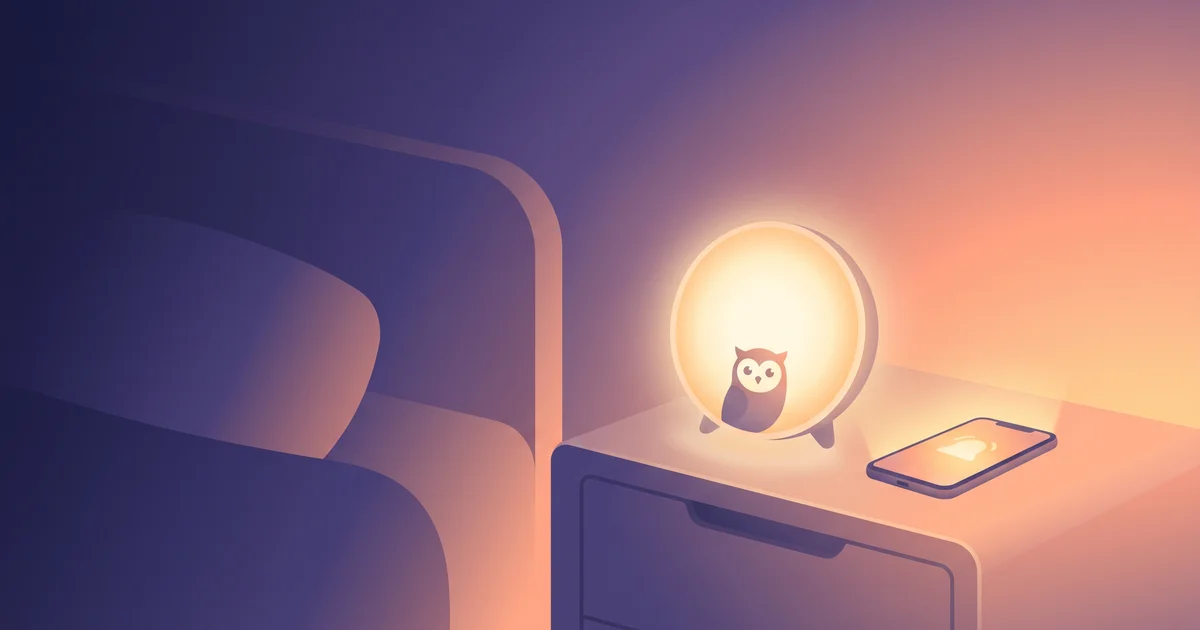
The Hatch Restore popularized a specific idea: a bedside device that combines a sunrise-simulating light, a sound machine, and a gentle wake-up alarm, all controlled from an app instead of buttons. It's become the reference point for a whole category of similar devices. Here's a fair, general look at what this style of device does well, what it costs, and where it genuinely falls short.
The short answer
Hatch Restore-style devices combine a gradual sunrise light, a built-in sound machine for white noise or nature sounds, and a soft audio/light alarm, controlled through a companion app, typically priced around $130 or a bit higher depending on model and bundle. They're genuinely good at making mornings feel calmer and evenings more wind-down friendly, but they lack any task-based wake mechanism, which means they're a poor fit for genuinely heavy sleepers who need to be forced out of bed, not gently nudged.
What this category of device actually does
The core feature set across Hatch Restore-style products typically includes:
- A sunrise simulation — the light gradually brightens over a set period (often 15-30+ minutes) before your alarm time, aiming to wake you more gently than a sudden sound.
- A sound machine — white noise, nature sounds or ambient tracks, usable independently of the alarm feature, often used at bedtime too.
- A gentle wake-up sound — layered in as the light finishes brightening, usually customizable in volume and tone.
- App-based control — routines, schedules and content are set up and adjusted through a companion phone app rather than physical buttons alone (some models also keep a physical dial or buttons for basics).
- A "rest" or wind-down mode — dimming light and calming sound as a pre-sleep cue, treating the device as a bedtime tool, not just a morning one.
What it's genuinely good at
Making the room feel less harsh in the morning. A gradual light is a noticeably nicer way to wake up than a phone screen glaring on at full brightness, especially in winter when mornings are dark. See sunrise alarm clocks for more on how this specific mechanism works.
Bedtime sound and light cues. Using the same device for a wind-down routine at night — dimming light, playing calming sound — creates a consistent evening ritual, which is genuinely useful for people who struggle with racing thoughts at night or general sleep-onset difficulty.
Reducing phone use in the bedroom. Because the device handles both the sound machine and the alarm, some people use it specifically to justify leaving their phone in another room — a real, if indirect, sleep-hygiene benefit. See phone before bed.
OwlRoutine helps you wind down at night and actually get up in the morning — with a guided wind-down, dismiss missions, and sleep scores. Available on iPhone and Android.


Where it falls short
No forced wake-up mechanism. This is the most important limitation for a specific audience: genuinely heavy sleepers. A gentle light and soft sound are designed to be gentle — which is exactly the problem if you're the kind of person who sleeps through a smoke alarm's cousin. There's no task, no puzzle, nothing that requires you to actually get up and prove you're awake. If gentle wake-ups have never worked for you before, they're unlikely to start working just because the light is prettier. See the best alarm app for heavy sleepers and how to wake up a heavy sleeper for approaches built specifically around that problem.
Price. At around $130 (sometimes more for bundles or add-on subscriptions for premium sound content), it's a real investment compared to a free phone app or a basic $15 alarm clock — worth it only if you'll actually use the sunrise and sound-machine features regularly, not just the alarm.
One more device to manage. It needs its own charging or power cable, its own app, its own place on the nightstand, and (for some models) an ongoing subscription for the full content library. That's overhead a phone-based solution doesn't have.
Snoozing is still easy. Like most standalone alarm clocks, a simple button press or app tap dismisses the alarm — there's nothing stopping a half-asleep snooze spiral the way a forced task would.
Who it's actually a good fit for
| You are... | Good fit? |
|---|---|
| A light-to-average sleeper who wakes gently already | Yes |
| Someone who wants a nicer bedtime ritual with light and sound | Yes |
| A genuinely heavy sleeper who sleeps through alarms | Probably not, without pairing it with a stronger backup |
| Someone who wants to reduce phone use in the bedroom | Yes, indirectly |
| Budget-conscious and just want a basic alarm | No — cheaper options exist |
A sensible way to use one
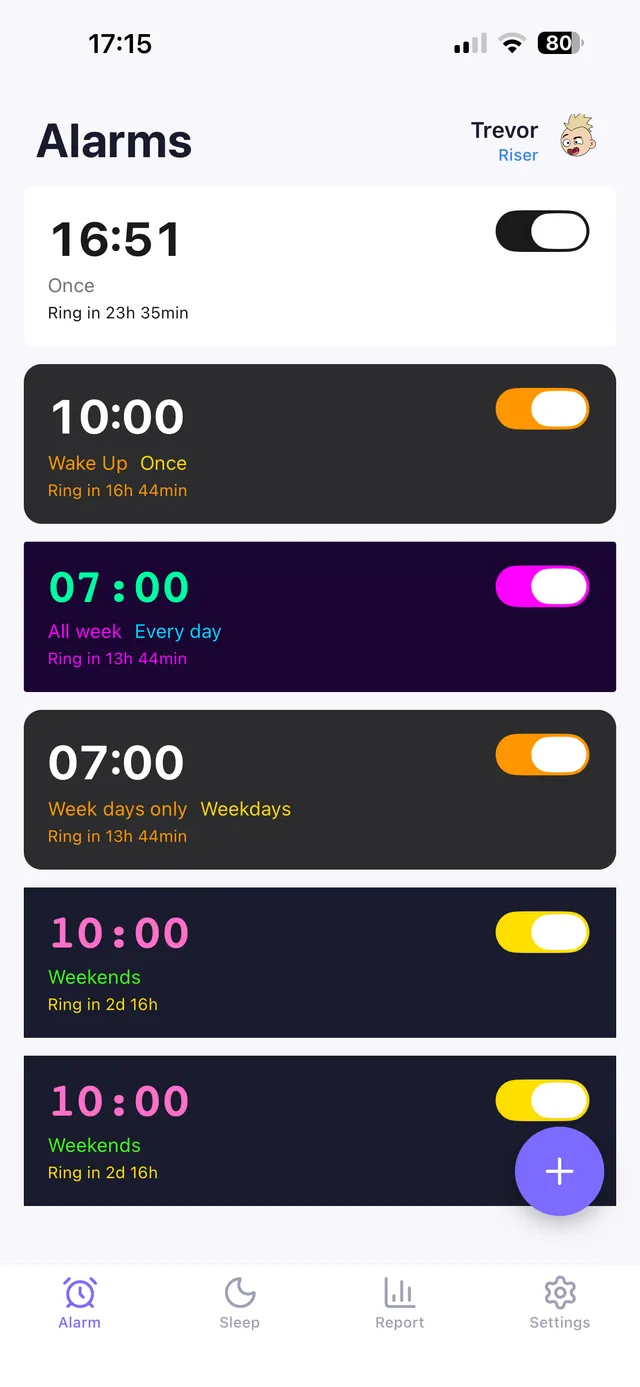
If you like the sunrise-and-sound-machine concept but know you're a heavy sleeper, consider pairing a device like this with a backup alarm that forces you to actually engage — a math problem, a photo task, or a phrase you have to type — rather than relying on gentle light alone to do the whole job. Alarm apps compared: Alarmy vs Wayk vs alternatives covers the task-based side of that pairing. Also compare against direct alternatives in this category before deciding which specific device fits your budget.
The bottom line
Hatch Restore-style devices do a genuinely good job at two things: a gentler light-based wake-up and a calming bedtime sound/light ritual. What they don't do is force a heavy sleeper out of bed — there's no task, no accountability, just a soft nudge that's easy to sleep through if soft nudges have never worked for you. Whether it's worth the price depends entirely on whether you need gentle or you need forceful.
If you like the idea of a calming light-and-sound wind-down but know from experience that gentle alarms don't wake you, OwlRoutine is built for exactly that gap: its guided wind-down covers the calming evening ritual, and its mission alarm — solve a math problem, photograph a specific spot in your room, scan a code — makes sure the morning actually works, even on the mornings a sunrise light alone wouldn't have.
Frequently asked questions
Is a Hatch Restore-style alarm worth it for heavy sleepers?
Generally no, on its own. These devices use gentle light and sound to wake you, with no forced task or accountability mechanism, so genuinely heavy sleepers often sleep through them unless paired with a stronger backup alarm.
How much does a Hatch Restore-style device typically cost?
Pricing for this category is generally around $130 or somewhat more depending on the model and any bundled content subscription, notably more than a basic alarm clock or free phone app.
Can I use a sunrise alarm device for bedtime too?
Yes — most devices in this category include a wind-down or 'rest' mode with dimming light and calming sound, designed to be used at night as well as in the morning.
What's the main limitation of sunrise alarm clocks like this?
They lack any task-based or forced wake-up mechanism, so they're better suited to light or average sleepers than to people who consistently sleep through standard alarms.
Wake up for real. Wind down for good.
OwlRoutine is a sleep-cycle alarm that makes mornings actually stick — with a guided wind-down, dismiss missions, sleep scores and rewards. Available on iPhone and Android.