Sleepmaxxing: What the Viral Sleep Trend Gets Right (and What's Just Hype)
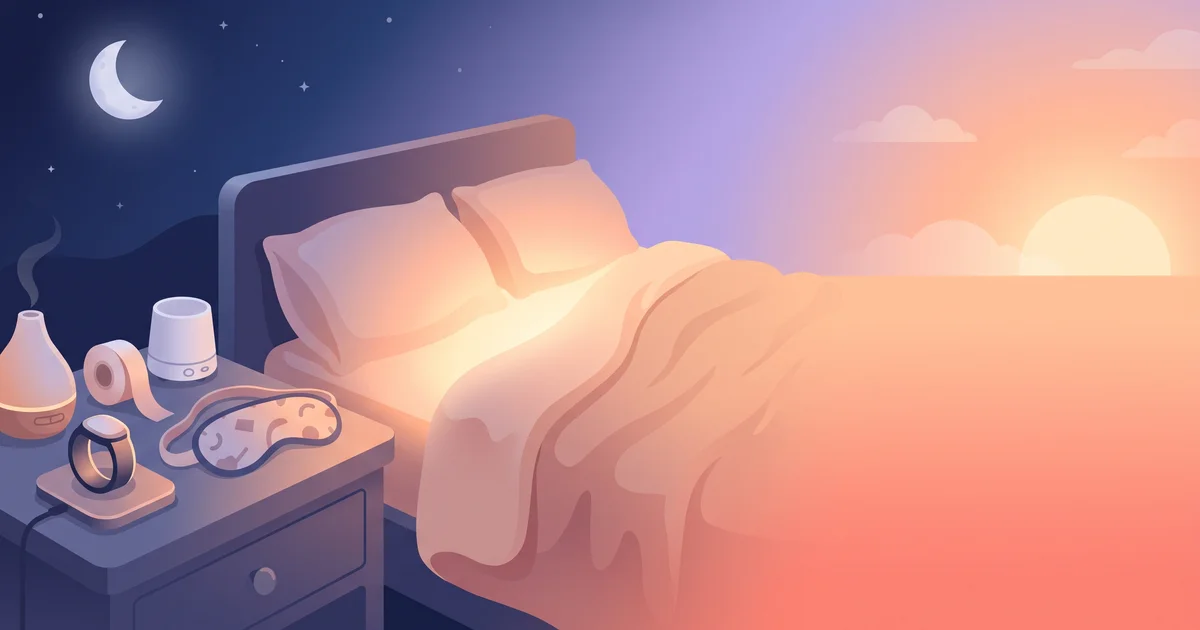
Scroll sleep content for five minutes and you'll see it: mouth tape, magnesium mocktails, sleep masks, blackout tents, sunset lamps, cooling mattress pads and screenshots of perfect sleep scores. That's sleepmaxxing — the push to optimise sleep to its theoretical maximum. It has become one of the biggest wellness trends online, and in 2026 it's also getting pushback from sleep researchers who worry that all the tracking and stacking is making some people sleep worse.
So what's actually worth doing? This guide sorts the trend into three buckets: evidence-based basics, unproven extras, and things that can backfire.
The short answer
The parts of sleepmaxxing that reliably work are the boring ones: a consistent sleep and wake time, a dark, cool, quiet bedroom, morning light, limiting late caffeine and alcohol, and a wind-down routine. Mouth taping, supplement stacks and elaborate gadgets have weak or mixed evidence. And obsessively tracking sleep can create anxiety that makes sleep harder.
Where the trend came from
"Sleepmaxxing" borrows the "-maxxing" suffix from internet self-improvement culture (think "looksmaxxing"). It grew on TikTok and Instagram from 2024 onward, fuelled by wearables that score your sleep every morning and by a genuine public appetite for better rest. At its best, it's got millions of people caring about sleep. At its worst, it sells products and turns bedtime into a performance.
Sleepmaxxing, sorted by evidence
| Habit | Evidence | Verdict |
|---|---|---|
| Consistent wake time, 7 days a week | Strong | Do it |
| Dark, cool, quiet bedroom | Strong | Do it |
| Morning daylight | Strong | Do it |
| Caffeine cutoff by early afternoon | Strong | Do it |
| Wind-down routine, screens down | Moderate–strong | Do it |
| Limiting alcohol before bed | Strong | Do it |
| Sleep masks and earplugs | Moderate (for light/noise-sensitive sleepers) | Helpful for some |
| Magnesium, "sleepy girl mocktails" | Mixed / limited | Optional; talk to a doctor first |
| Mouth taping | Weak, possible risks | Skip unless a clinician advises |
| Chasing a perfect tracker score | Can backfire | Use trends, not nightly scores |
What sleepmaxxing gets right
Consistency beats everything
If you only adopt one habit, make it a fixed wake time. Sleep consistency matters more than sleep length — it anchors your body clock so you feel sleepy at the right time and wake more easily. It's also free.
Environment matters
A cool, dark, quiet room is one of the best-supported sleep interventions. Blackout curtains or a mask, earplugs or white noise and a slightly cool temperature are sensible, affordable upgrades.
Light is medicine for your body clock
Bright light in the morning and dim light at night is how your circadian rhythm stays on time. Getting outside shortly after waking is one of the most useful habits in the whole trend.
Wind-downs are underrated
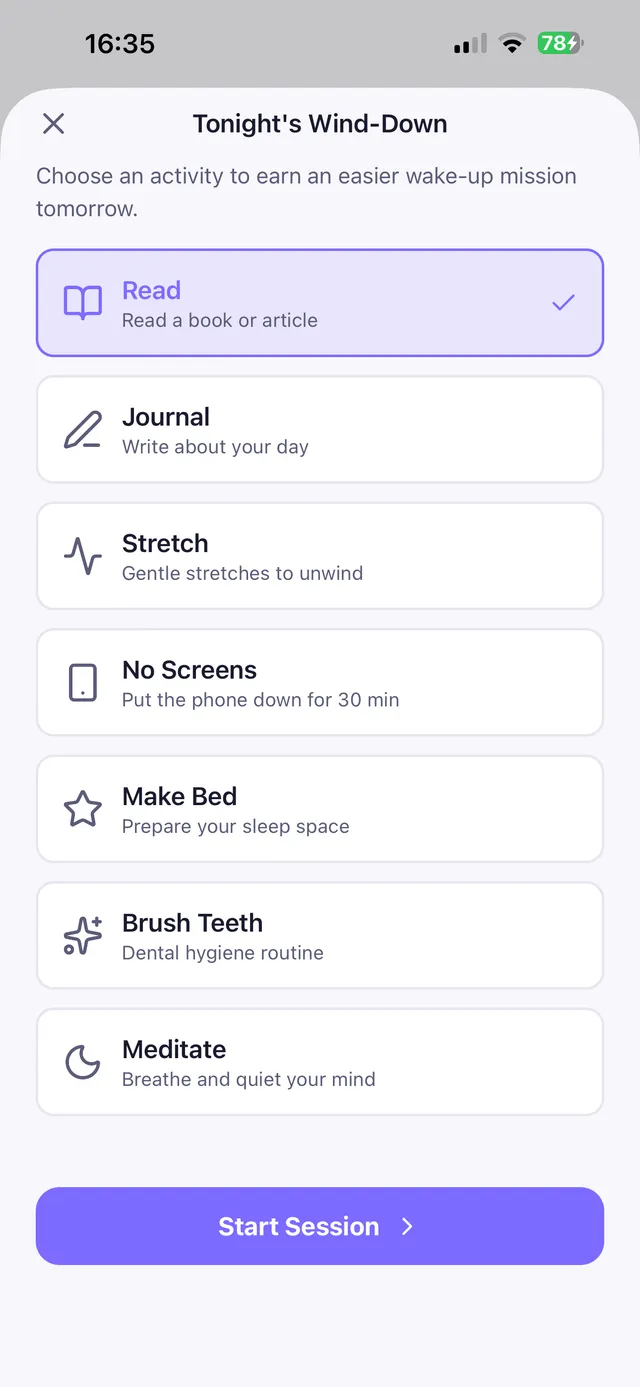
A predictable 20–30 minute routine before bed — reading, stretching, a shower, journaling — tells your brain sleep is coming. Here's how to build one. It also helps with revenge bedtime procrastination, a big reason people sleep less than they intend.
OwlRoutine helps you wind down at night and actually get up in the morning — with a guided wind-down, dismiss missions, and sleep scores. Available on iPhone and Android.


What's mostly hype
Mouth taping
Taping your mouth shut to force nasal breathing is one of the trend's signature moves. A 2025 systematic review in PLOS One looked at 10 studies and found meaningful benefit in only two, with most studies small and excluding people with nasal obstruction. It flagged potential risks, particularly for people with blocked noses or undiagnosed sleep apnea. If you snore heavily, see a doctor rather than taping.
Supplement stacks
Magnesium, glycine, tart cherry, L-theanine and melatonin all appear in sleepmaxxing routines. Evidence ranges from modest to mixed, quality varies between products, and some interact with medications. Talk to a doctor or pharmacist before adding supplements, especially if you take other medication, are pregnant, or plan to use them long term.
Gadget pile-ups
Cooling pads, smart rings, sunrise lamps and white-noise machines can all be useful for specific problems. But no gadget compensates for going to bed at 1:30am.
Where sleepmaxxing backfires: orthosomnia
Researchers coined the term orthosomnia for a preoccupation with achieving "perfect" sleep, often driven by tracker data. People start worrying about their scores, which raises arousal at bedtime, which makes sleep worse. If checking your sleep score makes you anxious, stop checking it daily. Look at weekly trends instead, and pay more attention to how you feel.
A realistic sleepmaxxing routine
- Same wake time every day (±1 hour on weekends).
- Daylight within 30 minutes of waking.
- Last caffeine by early afternoon.
- Screens down an hour before bed; dim lamps only.
- 20–30 minute wind-down you actually enjoy.
- Cool, dark, quiet bedroom.
- Zero snoozes — snoozing makes you groggier.
- Review weekly, not nightly.
That's it. No tape required.
The bottom line
Sleepmaxxing is right that sleep deserves attention. It's wrong when it turns sleep into a product stack or a nightly exam. Nail consistency, light, environment and a wind-down first; treat everything else as optional, and stop tracking if the numbers are keeping you up.
OwlRoutine focuses on the habits that actually move the needle: a guided wind-down that checks your phone stays down, a consistent alarm with a mission so zero snoozes is realistic, and weekly charts and a heatmap that show trends rather than grading every single night.
This article is general information, not medical advice. Speak to a healthcare professional before starting supplements or if you have ongoing sleep problems.
Frequently asked questions
What is sleepmaxxing?
Sleepmaxxing is a social media trend focused on optimising sleep through routines, environment tweaks, supplements, gadgets and sleep tracking.
Does sleepmaxxing work?
The evidence-based parts do: a consistent wake time, a dark, cool, quiet room, morning light, limiting late caffeine and alcohol, and a wind-down routine. Many popular extras like mouth taping and supplement stacks have weak or mixed evidence.
Is mouth taping safe?
Evidence for benefit is limited, and a 2025 systematic review flagged potential risks, especially for people with nasal obstruction or undiagnosed sleep apnea. Talk to a doctor before trying it.
Can tracking my sleep make it worse?
Yes, for some people. Obsessing over sleep scores can cause anxiety at bedtime, sometimes called orthosomnia. Focus on weekly trends and how you feel instead.
Wake up for real. Wind down for good.
OwlRoutine is a sleep-cycle alarm that makes mornings actually stick — with a guided wind-down, dismiss missions, sleep scores and rewards. Available on iPhone and Android.