A Productive Morning Routine for Working From Home
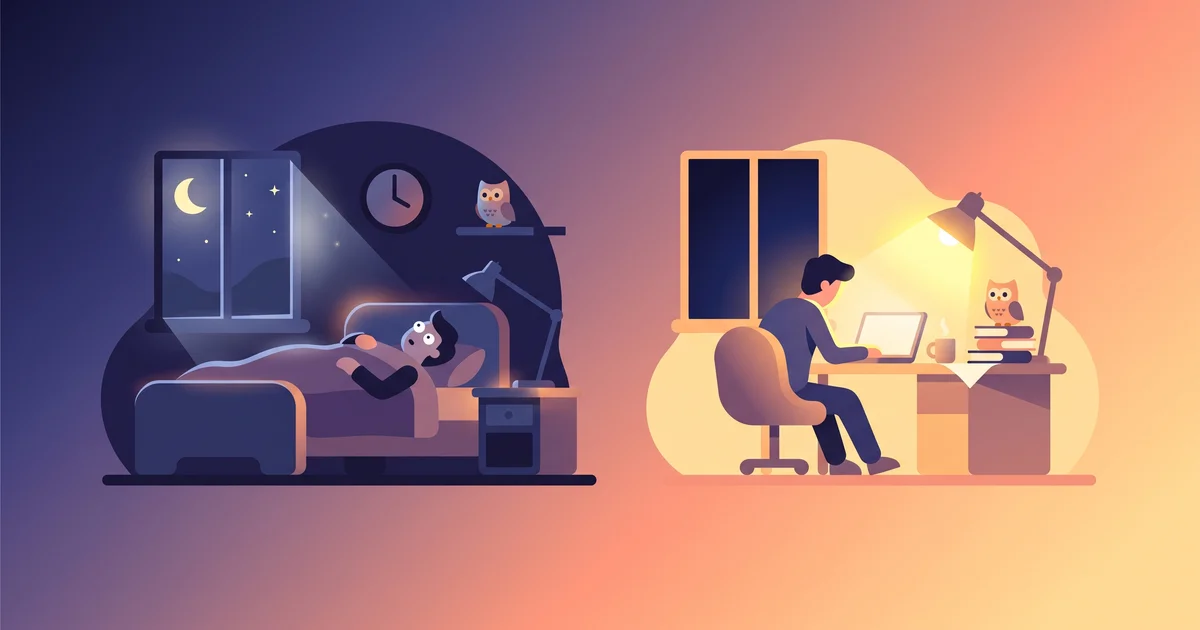
No commute sounds like a gift — and it is — but it also removes the one thing that used to force a clean boundary between "asleep" and "at work." Without it, plenty of remote workers slide from bed to laptop in under five minutes, still in pajamas, and never quite feel like the day actually started. A morning routine for working from home needs to manually rebuild the structure a commute used to provide for free.
The short answer
A productive WFH morning routine replaces the commute's function — a mental transition from home-mode to work-mode — with deliberate steps: a real wake-up (not rolling straight to your laptop), getting dressed, some form of movement or fresh air, and a clear, fixed start time. The goal isn't mimicking office life exactly; it's creating a boundary your brain can recognize as "the workday has begun."
Why WFH mornings specifically go wrong
- No forced separation. A commute, however annoying, created physical distance between bed and desk. At home, that distance can be zero.
- Pajama drift. Staying in sleepwear removes a subtle but real psychological cue that shifts your brain into "still resting" mode.
- Blurred start times. Without a commute-based deadline, "I'll start around 9" easily becomes 9:40, and the day feels behind before it begins.
- Notifications arrive before you're ready. Rolling straight into email or Slack means reacting to other people's priorities before you've set your own.
A WFH morning routine that actually creates structure
1. Wake up properly — don't reach for the laptop first
The instinct to check email or Slack from bed is strong precisely because there's no commute delaying it. Resist it. Complete your actual wake-up first — get up, get light, get water — the same as you would for any morning routine for productivity. A mission alarm that requires a real task helps break the "glance at phone, doze back off, glance again" loop that's especially easy when there's no reason to physically leave the house.
2. Get dressed like you're leaving, even though you're not
This sounds small and matters more than it should. Changing out of sleepwear — even into casual clothes, not office wear — is a strong signal to your brain that you've moved out of rest mode. Staying in pajamas all day is one of the most commonly cited factors in the "WFH fog" people describe.
3. Manufacture a commute
Take a 10-15 minute walk, step outside for coffee, or just walk around the block before sitting down to work. This does double duty: it gets you morning sunlight, and it recreates the transition time a real commute used to provide — a buffer between home-you and work-you.
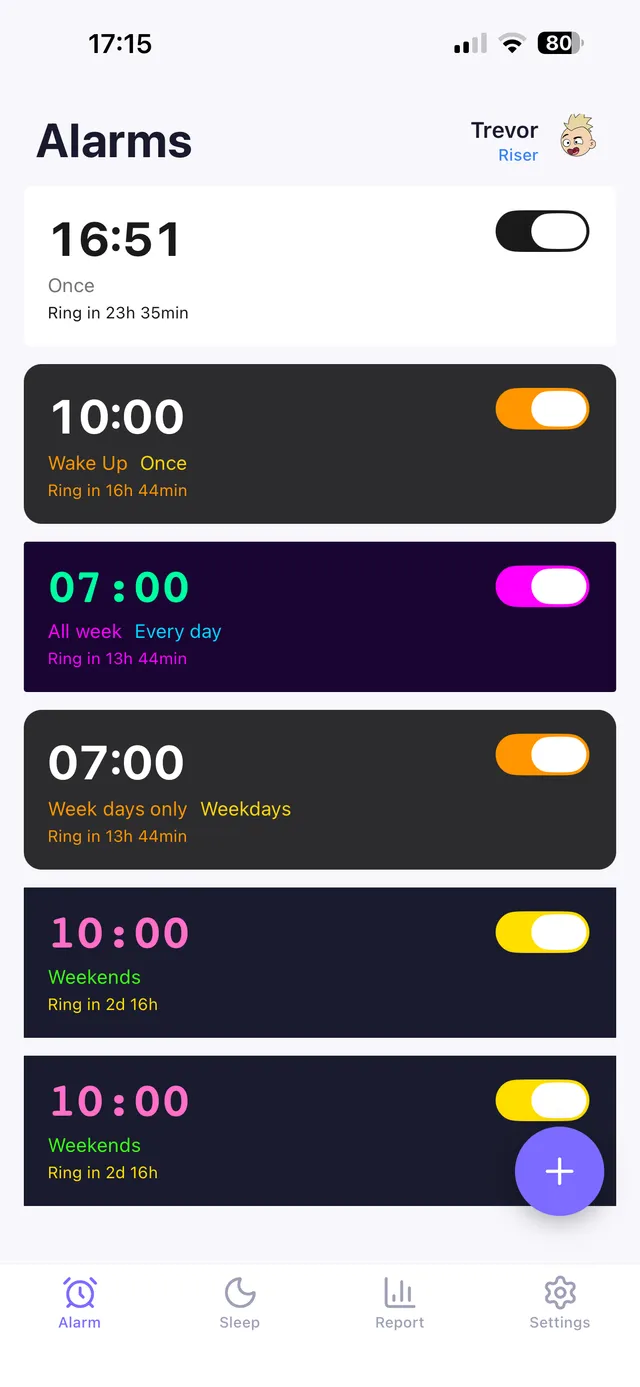
OwlRoutine helps you wind down at night and actually get up in the morning — with a guided wind-down, dismiss missions, and sleep scores. Available on iPhone and Android.


4. Set a real, fixed start time — and a shutdown time
Without a commute forcing a start time, "whenever I get to it" creeps later and later. Pick a specific time and treat it the way you'd treat an office start time. Equally important on the other end: pick a shutdown time too, since WFH's blurred boundary works both ways — work can just as easily bleed endlessly into the evening as mornings can bleed into work.
5. Do one small physical "start of day" ritual
Making your bed, a two-minute journal note, or setting your top 3 priorities for the day all work as a signal that the day has officially begun — the same logic behind making your bed every morning, just repurposed as a WFH boundary marker rather than a tidiness habit.
6. Protect your first focused block from notifications
Open your first work task before opening email or chat apps. Reacting to other people's messages first thing means your morning belongs to their priorities, not yours — a trap that's easier to fall into at home, where there's no natural "arriving at the office" moment to delay it.
A simple WFH morning structure
| Time (example) | Action |
|---|---|
| Wake-up | Alarm task, light, water — no laptop yet |
| +15-30 min | Get dressed, eat something |
| +15 min | Short walk / outside time ("manufactured commute") |
| Fixed start time | Sit down, review top priorities, start hardest task first |
| First hour | No email/Slack until the first focused block is done |
For an even more scannable version
If you want a checkbox format you can glance at half-asleep instead of reading through prose each morning, the morning routine checklist covers the same territory in list form and is easy to adapt to a WFH schedule specifically.
The bottom line
Working from home removes a boundary most people didn't realize they relied on. Rebuilding it deliberately — a real wake-up, getting dressed, a short "manufactured commute," and a fixed start time — does the same job a commute used to do for free, and it's the difference between a foggy slide into the workday and an actual, focused start.
The whole structure depends on that first step going right: actually getting up instead of half-waking, checking Slack from bed, and drifting for another 40 minutes. OwlRoutine's mission alarm forces a genuine wake-up before it'll stop, which is exactly the kind of hard boundary a commute-free morning is missing otherwise.
Frequently asked questions
How do I create a morning routine when working from home?
Replace the commute's function with deliberate steps: a real wake-up before checking devices, getting dressed, a short walk or outside time, and a fixed, consistent start time for work.
Why do WFH mornings feel unproductive even with more free time?
Without a commute, there's no natural boundary between sleep and work, which often leads to rolling straight into notifications, staying in pajamas, and a blurred, delayed start time — all of which undercut focus.
Does getting dressed for WFH actually make a difference?
Many people report it does. Changing out of sleepwear is a psychological cue that shifts the brain out of rest mode, even if you're not dressing for an office.
What is a 'manufactured commute' for remote work?
A deliberate short walk or outdoor break before starting work, designed to recreate the transition time a real commute used to provide between home life and work mode.
Wake up for real. Wind down for good.
OwlRoutine is a sleep-cycle alarm that makes mornings actually stick — with a guided wind-down, dismiss missions, sleep scores and rewards. Available on iPhone and Android.