Light Therapy Lamps for Waking Up: What They Are and When You Actually Need One
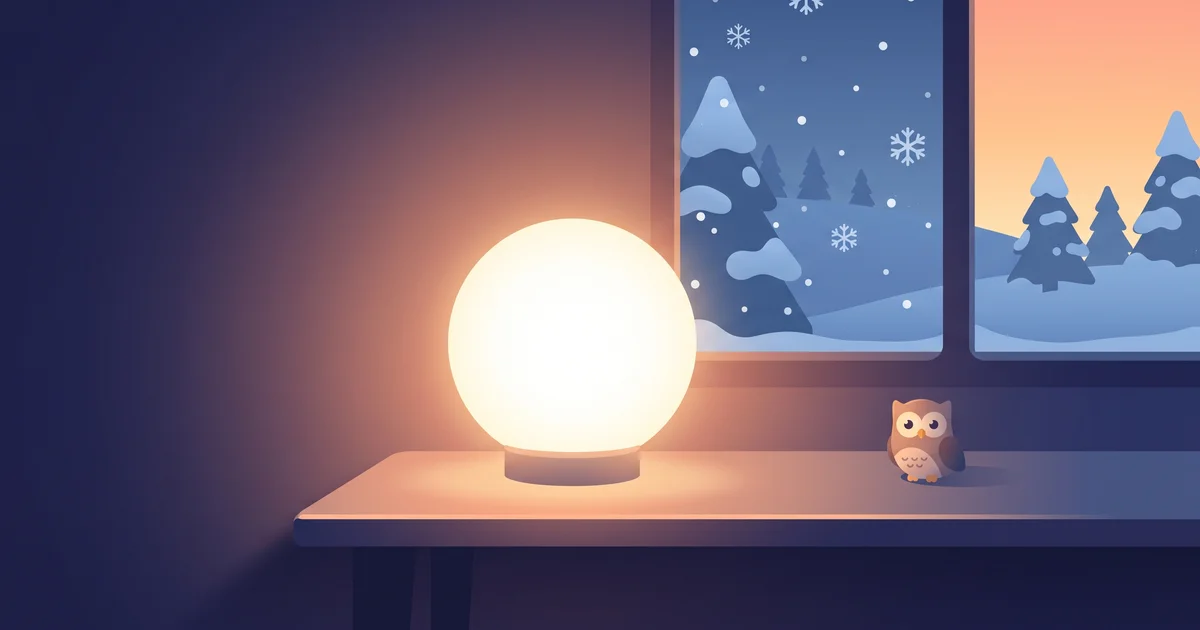
When winter mornings turn pitch black and getting out of bed starts feeling genuinely harder, a light therapy lamp is worth knowing about — and worth distinguishing from a sunrise alarm clock, which it's often confused with. They look similar on a nightstand but do meaningfully different jobs.
The short answer
A light therapy lamp (also called a SAD lamp or light box) is a bright, full-spectrum light device — typically 10,000 lux — that you sit in front of for a set period, usually 20-30 minutes, shortly after waking, mainly to help with seasonal low mood and difficulty waking in dark winter months. It's a distinct product from a sunrise alarm clock, which gradually brightens while you're still asleep to ease the wake-up itself, rather than being used actively afterward.
Light therapy lamp vs sunrise alarm clock
This is the most common point of confusion, so it's worth a direct comparison:
| Light therapy lamp | Sunrise alarm clock | |
|---|---|---|
| Brightness | Very bright, ~10,000 lux | Much dimmer, simulates dawn |
| When used | After waking, while you're up and active | Before your alarm, while you're still asleep |
| Duration | 20-30 minutes of active use | Gradual, 15-30+ minutes as you wake |
| Main purpose | Mood regulation, circadian signaling, treating winter low mood | Gentler wake-up experience |
| How you use it | Sit near it, eyes open, doing something else (breakfast, reading) | Just sleep — it works passively in the background |
They can complement each other — a sunrise alarm to ease the wake-up, followed by 20 minutes with a light box while you eat breakfast — but they're not interchangeable. See sunrise alarm clocks for the dawn-simulation side of this comparison.
When a light therapy lamp actually helps
- Winter mornings when it's dark until 8am or later. Lack of morning light exposure delays your body clock, making mornings feel even harder. See why it's harder to wake up in winter.
- Seasonal low mood. Light therapy is one of the most studied non-drug approaches for seasonal patterns in mood that worsen during darker months.
- Shift workers or people with limited natural light exposure, who may benefit from a consistent artificial light cue at the right time of day.
- People whose body clock runs late and want a stronger circadian anchor than a sunrise alarm alone provides. See chronotypes explained and night owl guide.
How to use one correctly
Getting the timing and setup right matters more than the specific lamp model:
- Use it in the morning, generally within the first hour or so after waking. Using bright light therapy late in the day can shift your body clock the wrong direction and make it harder to fall asleep that night.
- Position it correctly — most lamps are designed to sit at an angle near your face (not directly in your eyes) at a specific distance stated by the manufacturer, since lux output drops off sharply with distance.
- Keep your eyes open during the session — you don't need to stare at the lamp, just be in the room with it while doing something else like eating or reading.
- Be consistent. Like most circadian tools, light therapy works best used at a similar time every day, not sporadically.
- Start with the duration recommended for your specific lamp — output (lux) varies by model, and manufacturers typically specify how long to use their device to reach an effective dose.
OwlRoutine helps you wind down at night and actually get up in the morning — with a guided wind-down, dismiss missions, and sleep scores. Available on iPhone and Android.


What to look for when choosing one
- Lux output at a stated distance — a legitimate light therapy lamp will specify its lux rating at a specific distance (e.g., "10,000 lux at 12 inches"), not just a vague brightness claim.
- UV filtering — most therapy lamps are designed to filter out UV light, since the goal is light exposure without UV skin/eye risk.
- Size and portability — larger panels can treat a wider field of view at once; smaller ones are more portable for travel or a desk at work.
- Adjustable brightness/timer, which makes it easier to build a consistent routine without guessing.
Who should be cautious
Light therapy isn't right for everyone without medical input first — this includes people with certain eye conditions, people taking medications that increase light sensitivity, and people with bipolar disorder, where bright light exposure needs clinical guidance. If you have a diagnosed mood disorder or an eye condition, talk to a doctor before starting light therapy rather than self-directing it.
A realistic winter morning stack
For people who find winter mornings especially hard, combining a few tools tends to work better than any single one:
- A sunrise alarm to ease the actual wake-up moment while still in bed.
- 10-20 minutes with a light therapy lamp shortly after getting up, paired with breakfast or a morning routine task.
- A mission-based alarm as backup if gentle light alone doesn't reliably get you moving — see how to wake up in winter and how to become a morning person for the rest of the stack.
The bottom line
A light therapy lamp is a distinct tool from a sunrise alarm clock — it's used actively after waking, at a much higher brightness, mainly to help with winter mood dips and circadian timing, not to ease the moment of waking itself. Used consistently and at the right time of day, it can make genuinely dark winter mornings feel more manageable, especially paired with other morning-routine tools.
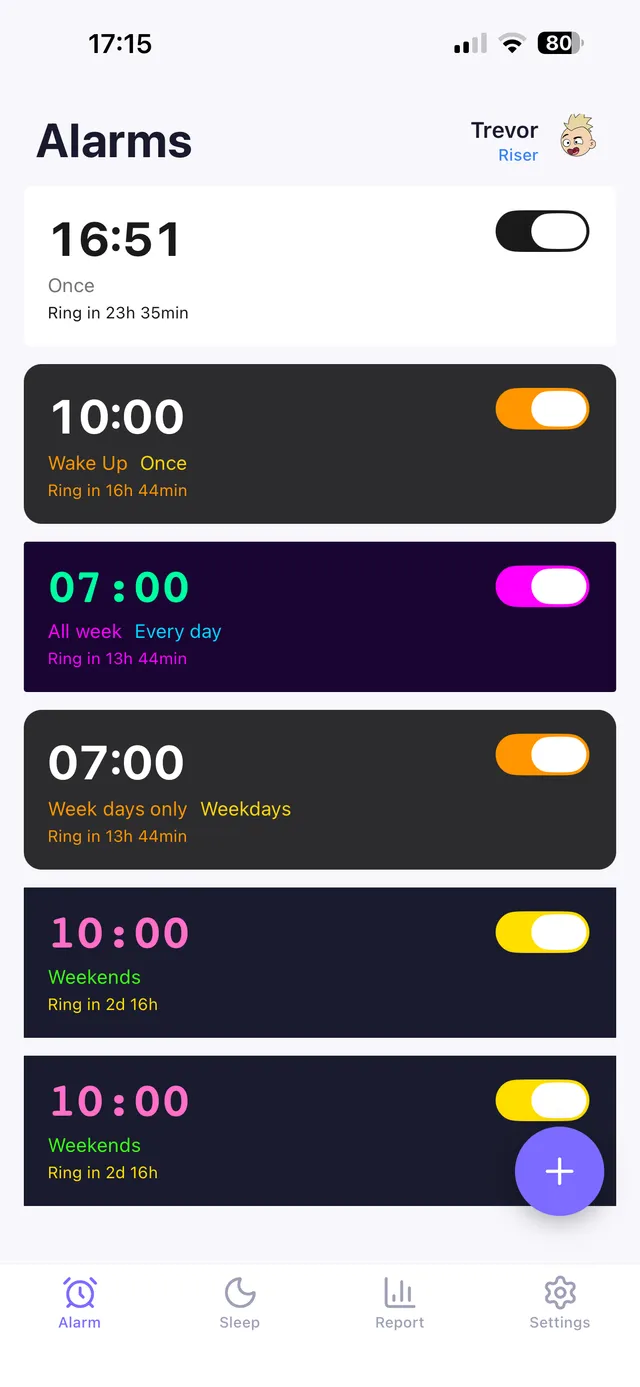
Light therapy can help your mood and circadian rhythm adjust to darker mornings, but it won't physically get you out of bed on the hardest days — that's where OwlRoutine's mission alarm comes in, requiring an actual task like a photo or a typed phrase before the alarm stops, alongside a wind-down routine that supports the other end of the same winter sleep struggle.
This article is general information, not medical advice.
Frequently asked questions
What's the difference between a light therapy lamp and a sunrise alarm clock?
A light therapy lamp is much brighter (around 10,000 lux) and used actively after you're already awake, typically for 20-30 minutes, mainly to help mood and circadian timing. A sunrise alarm clock is dimmer and works passively while you're still asleep, gradually brightening to ease the wake-up itself.
How long should I use a light therapy lamp?
Most sessions run 20-30 minutes shortly after waking, though the exact recommended duration depends on your specific lamp's lux output — check the manufacturer's guidance.
Can light therapy help with waking up in winter?
It can help indirectly by supporting circadian timing and mood during dark winter mornings, though it's used after waking rather than being a tool that wakes you up on its own.
Is light therapy safe for everyone?
Not automatically — people with certain eye conditions, light-sensitizing medications, or bipolar disorder should talk to a doctor before starting light therapy rather than self-directing it.
Wake up for real. Wind down for good.
OwlRoutine is a sleep-cycle alarm that makes mornings actually stick — with a guided wind-down, dismiss missions, sleep scores and rewards. Available on iPhone and Android.